Why a retinoid is the spine of the routine
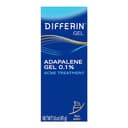
Adapalene is the only ingredient on this page that was a prescription drug and is now sold over the counter at the same 0.1% strength, which is why it ranks first on a site that ranks by what is published. The acne guidelines we cite put topical retinoids at the center of management because they work on the comedo — the plug — rather than on the inflamed spot that is the plug’s consequence. That mechanism is also why it is a prevention product rather than a treatment for what is on your face tonight, and why judging it at three weeks is pointless.
It is also the product most likely to make you stop. Weeks two through six are the famous ones: dryness, flaking, and often an apparent worsening that is the plugs coming to the surface rather than new acne. Our purging vs breakout page is the test for telling those apart, and how to use benzoyl peroxide covers the other half of the irritation budget. Start it three nights a week over moisturizer, not nightly on bare skin. The full on-ramp is at the adapalene guide.
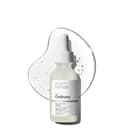
The salicylic acid is the alternative, not the addition.A 2% BHA is oil-soluble, which is why it gets into a pore in a way a water-soluble AHA does not, and at $7 it is the cheapest real active in our registry. If you do not want to run a retinoid — pregnancy, a history of bad reactions, or simply not yet — this is the product to run instead. What it is not is a second active to stack on top of adapalene in week one. Pick one, give it twelve weeks, then reconsider.
The benzoyl peroxide question, answered as a cleanser
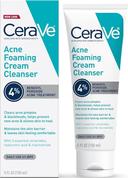
Benzoyl peroxide is the other first-line topical in the guidelines and the one with the antibacterial job that retinoids and acids do not do. We rank it here as a 4% cream cleanser rather than as a leave-on gel for two practical reasons. A wash-off formulation has minutes of contact rather than hours, which is a large reduction in the irritation you have to budget for alongside a retinoid. And benzoyl peroxide bleaches fabric; a product you rinse off in the shower ruins far fewer pillowcases and towels than one you sleep in.
If you want the leave-on version, or the 10% strength, the rankings are at best benzoyl peroxide, and the strength argument is at benzoyl peroxide vs salicylic acid. One sequencing note that matters: do not apply benzoyl peroxide and adapalene in the same step. Published stability work on the combination is reassuring for adapalene specifically, but morning wash and evening retinoid is simpler, drier on your skin and removes the question entirely.
The two steps people skip, and why skipping them backfires
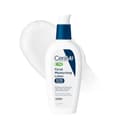
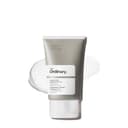
The moisturizer.The most common self-inflicted wound in acne care is treating oiliness by stripping skin and then not replacing anything, which leaves a compromised barrier that stings under the retinoid you are trying to tolerate. The StatPearls review describes a moisturizer’s job as occlusion plus humectancy, and on acne-prone skin the extra requirement is a thin, non-fragranced, non-comedogenic lotion rather than a heavy cream. Ours is a niacinamide-and-ceramide lotion that layers under or over a retinoid without pilling. If you want the full ranking for this skin type, it is at best moisturizer for acne-prone skin.
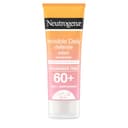
The sunscreen. Two reasons, and the second is the one nobody mentions. Retinoids and acids both increase sun sensitivity, so the sunscreen protects the routine. But the bigger issue is post-inflammatory hyperpigmentation: the brown or red marks a spot leaves behind darken with sun exposure, and on deeper skin tones those marks outlast the acne by months. A high-SPF fluid you will actually reapply beats a heavy mineral cream you avoid because it looks gray. The acne-specific ranking is at best sunscreen for acne-prone skin.
And something for the marks.Azelaic acid earns its place at the bottom of this list because it is the one ingredient here that addresses both the spot and the mark it leaves — the published review covers its anti-inflammatory and antimicrobial activity as well as its effect on pigmentation. It is optional in month one and worth adding in month three, when what is left is usually marks rather than active spots.
How we ranked them
1. Does it carry a drug label with a named active and a printed strength? Exactly three products below do: the adapalene, the benzoyl peroxide wash and the salicylic acid. Those three are ranked above the two that are support, regardless of how good the support products are.
2. Is it in the guidelines? Retinoids, benzoyl peroxide and azelaic acid appear in the acne management literature we cite. Niacinamide, ceramides and sunscreen appear in general skin-care guidance rather than as acne treatments, and are ranked accordingly.
3. How much of your irritation budget does it spend? This is the criterion most acne roundups omit, and on this skin it decides whether a routine survives. A wash-off benzoyl peroxide spends less than a leave-on gel. A retinoid over moisturizer spends less than one on bare skin. Five products that each spend a little are survivable; three that each spend a lot are not.
4. Will it make the marks worse? Fragrance, scrubs and aggressive stacking all drive inflammation, and inflammation is what produces the pigment that outlasts the spot. Nothing here is fragranced and nothing here is abrasive.
The order to add these in
Week one: cleanser, moisturizer, sunscreen. No actives at all. This is the week people want to skip and it is the week that makes the rest tolerable.
Week two:add one active — the adapalene if you want the best-documented option, the salicylic acid if you want the gentler one. Three nights a week, a pea for the whole face, over moisturizer.
Week six: if that is comfortable, move to nightly. Do not add a second active in the same week you increase the first.
Month three:reassess. If spots are down but marks remain, add the azelaic acid. If nothing has changed at all on a genuinely consistent routine, that is the point at which a prescription conversation is worth more than another purchase — the guidelines reserve oral options and combination prescriptions for exactly this case. The layering rules for everything above are at how to layer actives and skincare routine order.
What this page refuses to tell you
That a routine clears acne in two weeks. The guidelines describe a twelve-week assessment window for topical therapy. Anything that promises faster is selling you the disappointment as well as the product.
That we tested these. We own no units, run no trials and publish no scores. Every strength quoted below is read off a drug facts panel or a published INCI, and where a brand does not print a figure we say so instead of estimating one.
That diet, pillowcases or drinking more water will fix it. We are not going to make claims the evidence does not carry. The things on this page with documentation are a retinoid, benzoyl peroxide, salicylic acid, azelaic acid and sunscreen.