How to Use Benzoyl Peroxide the Right Way
Benzoyl peroxide has some of the best evidence in acne care, but it's easy to overdo. Here is how to pick a strength, apply it, and get results without the dryness.
Benzoyl peroxide is one of the few acne ingredients with genuinely strong evidence — dermatology guidance treats it as a core part of treating acne, because it tackles the bacteriainvolved in inflammatory breakouts. It’s also one of the most commonly misused, because people reach for the highest strength, apply it liberally, and quit a week later when their skin is raw. Used with a little care, it’s effective and cheap. Here’s how to get the results without the drama.
Pick the right strength
More is not better here. For facial acne, a lower strength — around 2.5% to 4%— is well supported and far gentler than the 10% products on the shelf, and there isn’t good evidence that 10% clears facial acne meaningfully better. A well-buffered 4% wash, like the kind that pairs benzoyl peroxide with ceramides, is a sensible facial option. Save 10% for body and back acne, where skin is more resilient. Our best acne treatments roundup covers where each fits.
Leave-on or wash?
Benzoyl peroxide comes as leave-on creams and gels and as washes you rinse off. A leave-on stays on the skin and tends to be more potent but more drying; a wash sits on the skin only briefly, so it irritates less— a good way in for sensitive skin or anyone new to it. Many people do well starting with a wash and adding a leave-on spot treatment only if they need more.
The method
1. Start slow
Begin every other day or once daily, not twice, and build up as your skin adjusts. This is the single biggest lever for avoiding the dryness that makes people give up.
2. Apply to clean, dry skin
Cleanse and dry, then apply a thin layerof a leave-on to the whole breakout-prone area (not just individual spots — much of the benefit is preventing the next breakout), or lather a wash and rinse after a short contact time.
3. Moisturize
Follow with a fragrance-free ceramide moisturizer to offset dryness. Buffering is what lets you keep using benzoyl peroxide long enough for it to work.
4. Mind the fabric
Benzoyl peroxide bleaches towels, pillowcases and clothing. Let it dry, use white bedding and towels, and wash your hands after applying.
5. Sunscreen and patience
Wear daily sunscreen, and give it several weeks. Acne treatments are slow; overusing benzoyl peroxide to rush results just dries you out.
Combining it with other actives
Benzoyl peroxide and a topical retinoid such as adapaleneare a classic, well-supported pairing — the two hit acne from different angles — but they’re usually used at different times of dayto limit irritation and because benzoyl peroxide can degrade some actives if layered directly. What you shouldn’t do is stack benzoyl peroxide with several other drying actives at once; that’s a fast route to a compromised barrier. See adapalene vs benzoyl peroxide for how to run them together, and our layering guide for the wider picture.
When to see a dermatologist
Benzoyl peroxide is best for mild-to-moderateacne. If your acne is deep, painful, cystic or scarring, or if over-the-counter options haven’t helped after a few honest months, see a dermatologist — that kind of acne often needs prescription treatment, and chasing it with more OTC products just damages your skin.
The bottom line
Benzoyl peroxide works, and it works best when you go gently: a lower strength for the face, introduced slowly, applied to dry skin, buffered with moisturizer, kept off your towels, and given a few weeks. Pair it thoughtfully with a retinoid if you need more, and see a dermatologist for severe acne. For the full lineup of OTC options, start with our best acne treatments.
General guidance, not medical advice. Actives & Acids is written by a skincare enthusiast, not a dermatologist. For a diagnosis, a reaction, or a prescription active like tretinoin, see a qualified professional. Introduce any new active slowly and patch-test first.
Small things that make this easier
Ordinary supplies, not treatments. Nothing here changes what an active does — these are just the things the steps above assume you already have.
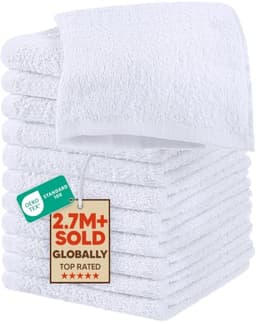
Utopia Towels
White cotton washcloths (12-pack)
Benzoyl peroxide bleaches fabric — we say so on every page that mentions it, and it catches people out constantly. White towels turn that from a ruined set into a non-event.
Price as of October 15, 2026. #ad How we’re funded
Warmstar
White cotton pillowcases (set of 2)
The same reason as the towels, for the eight hours you are not watching. Benzoyl peroxide left on overnight can bleach a colored pillowcase; a white one has nothing to lose.
Frequently asked questions
What strength of benzoyl peroxide should I use?
For facial acne, a lower strength - around 2.5 to 4 percent - is the sensible starting point. It's well supported for acne and far less drying than 10 percent, and research doesn't show that 10 percent is meaningfully more effective on the face. Higher strengths like 10 percent are better reserved for body and back acne on more resilient skin. Start low, and only step up if you tolerate it and need more.
Why does benzoyl peroxide dry out my skin?
Drying and some peeling are the main side effects, because benzoyl peroxide is a strong ingredient that can strip the skin, especially early on. The fix is to start slowly - every other day, a lower strength - and to buffer with a good moisturizer, ideally one with ceramides. If it's still too drying, a wash you rinse off irritates less than a leave-on because it stays on the skin only briefly.
Can I use benzoyl peroxide with other acne actives?
Some combinations work well and some clash. Benzoyl peroxide and a topical retinoid like adapalene are often used together in acne care, though usually at different times of day to limit irritation. But avoid stacking benzoyl peroxide with lots of other drying actives at once - that's a fast route to a damaged barrier. When in doubt, keep the routine simple and add one thing at a time.
Does benzoyl peroxide really bleach fabric?
Yes - this catches people out constantly. Benzoyl peroxide can bleach towels, pillowcases, and clothing it contacts, even after it seems dry. Let it dry fully before touching fabric, use white towels and bedding, and wash your hands after applying. This is cosmetic, not a safety issue, but a ruined pillowcase is an avoidable annoyance.
Sources
- American Academy of Dermatology — Acne: Diagnosis and treatment — AAD overview of benzoyl peroxide, retinoids, salicylic and azelaic acid for acne (accessed July 17, 2026)
- American Academy of Dermatology — Updated guidelines for the management of acne — AAD 2024 acne management guideline summary (accessed July 17, 2026)
Keep reading
Benzoyl peroxide and retinol together
The deactivation numbers: real for tretinoin, not for adapalene, and the schedule for each.
Read the guideBest over-the-counter acne treatments
Where benzoyl peroxide fits alongside adapalene, BHA and azelaic acid, ranked by evidence.
See the picksBenzoyl peroxide vs salicylic acid
Two different jobs - which to use for which kind of breakout.
Read the comparisonAdapalene vs benzoyl peroxide
The acne retinoid against the antibacterial - and why they're often used together.
Read the comparisonBest actives for acne-prone skin
The full set of OTC actives for breakouts, matched to your skin.
See the routineBest benzoyl peroxide products
Washes and leave-ons from 2.5% to 10%, ranked on the strength the evidence actually supports.
See the picksBenzoyl peroxide for body acne
The body version of this method: the two-to-five-minute rule, the 10% wash, and a white T-shirt to bed.
Read the guideBest face wash for acne
If the wash is your benzoyl peroxide format, this is the ranking of the washes.
See the picks