Vitamin C and Sunscreen: How to Use Them Together
Vitamin C goes on first, sunscreen goes on last, and neither one does the other's job. The pairing is genuinely worth running — the antioxidant research is the best argument vitamin C has — but the moment anyone tells you a serum lets you use less sunscreen, stop listening.
How this is funded: we earn a commission if you buy through our links, at no extra cost to you. It never changes which product we recommend, and we’ll tell you when we’d skip one. Full disclosure.
The short answer:vitamin C first, on clean skin; sunscreen last, over everything. Wait a minute between them. The pairing is worth running — antioxidant photoprotection is the best-supported thing vitamin C does — and it is an addition to sun protection, not a discount on it.
The order, and why it is not arbitrary
Cleanse. Vitamin C. Moisturizer, if you use one. Sunscreen.
The AAD’s guidance on applying products in order comes down to thinnest first and sunscreen last, and both halves matter here. A vitamin C serum is a thin treatment that wants contact with skin; a sunscreen needs to form an even, undisturbed film on the outside of everything else, because that film is the product. Anything applied over the top of it — serum, powder, a second moisturizer — moves it around.
That is the whole rule. The only refinement worth adding is the pause: give the serum a minute or two until your skin is no longer tacky before the next layer goes on.
What vitamin C adds — stated precisely
This is where the subject usually goes wrong, so here is the careful version. The reviews of vitamin C in dermatology describe it as an antioxidant with photoprotective effects, used topically alongside sun protection. The most-cited piece of work in this area found that ferulic acid stabilises a solution of vitamins C and E and doubles its photoprotection— which is why the combination of L-ascorbic acid, vitamin E and ferulic acid turns up on so many labels, and why one of the serums we rank is built on exactly that trio.
What that finding is: evidence that a well-formulated antioxidant serum contributes to protecting skin from oxidative damage caused by UV exposure.
What it is not: an SPF claim. Sunscreens are tested against a standardised protocol to earn a number and a broad-spectrum designation. Antioxidant photoprotection is not measured on that scale, cannot be converted into it, and does not stack with it arithmetically. Doubling the photoprotection of an antioxidant solution is not the same statement as doubling an SPF.
The claim to refuse
You will see it phrased carefully — “vitamin C means you need less sunscreen”, “antioxidants are your real sun protection” — and it is wrong in a way that costs people real damage.
The FDA’s consumer guidance on sunscreen spends its length on the things that actually determine protection: apply generously, reapply at least every two hours, reapply after swimming or sweating, and read water resistance as a timed claim of 40 or 80 minutes. The AAD’s advice on decoding a label is about SPF and the broad-spectrum claim. Nothing in either is conditional on what you applied underneath.
If you want to improve your sun protection, the lever is quantity and reapplication, not a serum. That is also why one of our sunscreen picks is a drugstore SPF 60: a bottle you will use by the half-teaspoon beats a prettier one you are rationing.
Pilling: the practical problem people actually have
“Vitamin C and sunscreen pilling” is one of the most searched versions of this question, and it is a formulation-and-technique issue rather than a chemistry one. Three fixes, in the order worth trying:
1. Use less serum. A few drops for the whole face. More serum is not more benefit, and a thick layer of anything is the most common cause of pilling.
2. Wait until the tackiness is gone. One to two minutes. Applying sunscreen onto a wet serum layer is asking the two to mix, and they will not.
3. Press, do not rub. Dot the sunscreen across your face and press it in with flat hands. Rubbing drags the layer underneath into little rolls.
If it still pills after all three, the two formulas are simply incompatible — a water-based serum under a heavily silicone-based sunscreen is the classic mismatch. Change one product rather than persisting with a technique.
Which sunscreen over which serum
Reactive, redness-prone skin: a fragrance-free mineral sunscreen over a gentler vitamin C derivative rather than a high-percentage L-ascorbic serum. Our sensitive-skin vitamin C roundup covers the serum half, and mineral vs chemical sunscreen the other.
Oily or breakout-prone skin: a light, oil-free SPF with a dry finish. Texture is what decides whether you keep wearing it, and the sunscreen you abandon protects nothing.
Dark spots and uneven tone: this is the pairing where it matters most. Pigment responds to sun exposure, so a serum aimed at marks with no sunscreen over it is working against itself every day. See best vitamin C serum for dark spots.
On a retinoid as well: keep the retinoid at night and this pair in the morning. Vitamin C and retinol settles the layering question, and best sunscreen for retinol users covers the adjustment phase.
Storage, and the one sign your serum has expired
L-ascorbic acid is the unstable form of vitamin C, and the literature on its stability is the reason ferulic acid and tight packaging matter. The practical version: keep the bottle away from light and heat, close it properly, and replace it when the liquid turns deep orange or brown. An oxidised serum is not doing the antioxidant job you bought it for — and no amount of sunscreen over the top compensates for that.
Bottom line
Serum under, sunscreen over, a minute in between. Run the pair because a well-formulated antioxidant serum has real supporting work behind it as an adjunct to sun protection — and treat any suggestion that it reduces your sunscreen needs as the clearest possible signal to stop reading. Quantity and reapplication are where sun protection is won; the serum is the extra, not the plan.
General guidance, not medical advice. Actives & Acids is written by a skincare enthusiast, not a dermatologist. For a diagnosis, a reaction, or a prescription active like tretinoin, see a qualified professional. Introduce any new active slowly and patch-test first.
What we'd actually buy
Chosen from the same registry as our roundups, on published formulation facts rather than hands-on testing — here is exactly what we do instead.
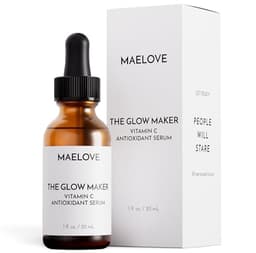
Maelove
Glow Maker Vitamin C Serum
The vitamin C half, and the one the research points at: 15% L-ascorbic acid with vitamin E and ferulic acid — the combination the dermatology literature credits with stabilising vitamin C and improving its photoprotective effect. If you are pairing a serum with sunscreen deliberately, pair this one.
See it ranked in fullPrice as of October 19, 2026. #ad How we’re funded
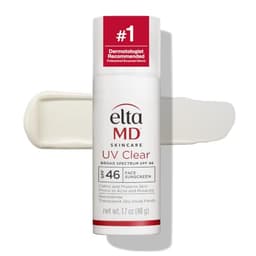
EltaMD
UV Clear Broad-Spectrum SPF 46
The sunscreen we would put over it: a zinc-oxide SPF 46 with niacinamide, oil-free and fragrance-free, with a light finish that layers over a serum without rolling up. The premium price per ounce is the trade.
See it ranked in fullPrice as of October 19, 2026. #ad How we’re funded
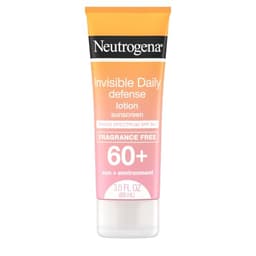
Neutrogena
Invisible Daily Defense SPF 60
The budget answer to the problem that actually limits sunscreen: under-application. Fragrance-free SPF 60 with antioxidants, cheap enough to apply generously and reapply at lunchtime — which beats a more elegant bottle you are rationing.
See it ranked in fullFrequently asked questions
Should I use vitamin C before or after sunscreen?
Before. Vitamin C is a thin treatment serum and goes on cleansed skin; sunscreen is the final morning step, which is what the AAD's application-order guidance says for everyone. Cleanse, vitamin C, moisturizer if you use one, then sunscreen. Putting a serum over sunscreen disturbs the film you just laid down and wastes both products.
Can vitamin C replace sunscreen?
No, and this is the one claim worth being blunt about. Sunscreen is a regulated over-the-counter drug tested to a labeled SPF and a broad-spectrum standard. A vitamin C serum is a cosmetic antioxidant with no SPF, no broad-spectrum testing and no reapplication protocol. An antioxidant works on a different problem — oxidative damage — and it does so alongside sun protection, never instead of it.
Does vitamin C boost sunscreen?
It helps, in a specific and well-documented way. The classic study on this combination found that ferulic acid stabilises a solution of vitamins C and E and doubles its photoprotection. That is an impressive finding and it is an antioxidant finding — it is not an SPF multiplier, and it does not mean a serum plus SPF 15 equals SPF 30. The reviews of vitamin C in dermatology describe photoprotective effects in exactly those adjunctive terms.
Why does my vitamin C pill under sunscreen?
Three reasons, all fixable. You are using too much serum; you are not giving it time to absorb before the next layer; or the two formulas do not get along — a water-based serum under a heavily silicone-based sunscreen is the classic pilling pair. Use a few drops, wait a minute or two until the skin is no longer tacky, and apply the sunscreen by pressing rather than rubbing. If it still pills, change one of the two products rather than the technique.
Can I use vitamin C with a mineral sunscreen?
Yes, and it is a sensible combination for reactive skin. Nothing about zinc oxide or titanium dioxide interferes with an ascorbic acid serum. The only practical caveat is texture: mineral sunscreens sit on the surface, so give the serum a proper minute to absorb first or you will see it move.
Should I use vitamin C in the morning or at night?
Morning is the usual recommendation and the pairing on this page is the reason — the antioxidant argument is about the hours you are exposed. That said, consistency matters more than the slot, and if a vitamin C serum fits your evening routine better, use it in the evening and keep wearing sunscreen in the morning. We have a dedicated page on the timing question.
Do I still need to reapply sunscreen if I am using vitamin C?
Yes, exactly as you would otherwise: generously, at least every two hours outdoors, and after swimming, towelling or heavy sweating. Water-resistance claims on a US label are limited to 40 or 80 minutes, which is a tested claim rather than a vague one. The serum underneath changes none of this.
Is vitamin C unstable in sunlight?
L-ascorbic acid is the unstable form, which is why packaging, pH and formulation get so much attention — the reviews of vitamin C in dermatology discuss stability at length, and ferulic acid earned its place in these formulas partly for stabilising the solution. The practical consequences are about storage and shelf life rather than about whether to wear it in daylight: keep the bottle out of light and heat, and replace it if the liquid turns deep orange-brown.
Can I layer vitamin C, niacinamide and sunscreen?
Yes. The vitamin C and niacinamide conflict is a misreading of old laboratory chemistry involving heat, not a problem with two finished products a minute apart. Serum, serum, moisturizer, sunscreen is a perfectly ordinary morning. If you would rather be cautious, split them across the day — it costs nothing.
Sources
- Vitamin C in dermatology (PMC) — Telang — review of topical vitamin C forms, stability and photoprotection (accessed July 17, 2026)
- Ferulic acid stabilizes a solution of vitamins C and E and doubles its photoprotection (PubMed) — Lin et al. — the L-ascorbic acid + vitamin E + ferulic acid evidence (accessed July 17, 2026)
- U.S. FDA — Sunscreen: How to Help Protect Your Skin from the Sun — FDA on SPF numbers, broad-spectrum and application amount (accessed July 17, 2026)
- American Academy of Dermatology — How to decode a sunscreen label — AAD on SPF, broad spectrum and water resistance claims (accessed July 17, 2026)
- American Academy of Dermatology — Skin care basics — AAD consumer guidance on cleansing, moisturizing and sun protection (accessed July 17, 2026)
- American Academy of Dermatology — Should I apply my skin care products in a certain order? — AAD on the order to apply cleanser, treatment, moisturizer and sunscreen (accessed July 17, 2026)
Keep reading
Best vitamin C serums
Five serums ranked on form, percentage and whether the formula is the studied one.
See the picksVitamin C: morning or night?
The timing question in full, including why morning is the conventional answer.
Read the guideMineral vs chemical sunscreen
Which sunscreen to put on top — and the one part of that debate we will not settle.
Read the comparisonVitamin C serum benefits
What the antioxidant case actually supports, and where it is oversold.
Read the guideL-ascorbic acid vs vitamin C derivatives
Which form is in your bottle, and why that decides how much the stability talk matters.
Read the comparisonSkincare routine order
The whole morning sequence, with sunscreen where it belongs: last.
Read the guide