Actives & Acids

Best Azelaic Acid Products

Three azelaic acid picks compared on stated strength, texture and added actives — the gentle multitasker for redness, tone and breakouts.

By Stephen V.Last updated How we pick

Azelaic acid is the quiet multitasker of the acid shelf. It doesn’t exfoliate aggressively the way glycolic or salicylic do — instead it works gently on several fronts at once, helping calm redness, fade the look of dark spots and post-breakout marks, and keep pores clearer. That combination makes it a rare active that’s well suited to sensitive and reactive skin, including people dealing with redness-prone complexions who find stronger acids or retinoids too harsh. Most over-the-counter formulas land around 10%, so the real differences come down to texture and what else the brand puts in the tube.

So that’s how we ranked these three. We grade on the stated concentration, how the formula actually feels on skin (some azelaic bases can be grainy or pill under other products), and whether added actives earn their place. The picks below cover a no-frills 10% suspension that’s the value benchmark, a smoother-textured option for anyone who dislikes the gritty feel, and a blend that pairs azelaic with complementary brightening ingredients. All three are gentle enough to build into a routine without the usual acid drama — the choice is mostly about feel and budget.

How this is funded:we earn a commission if you buy through our links, at no extra cost to you. It never changes which product we recommend, and we’ll tell you when we’d skip one. Full disclosure.

Quick picks

Ranked on formulation, stated concentration and buyer fit. Select a row to jump to the full write-up. We have not tested these products — here is exactly what we do instead.

#ProductBest forPrice
1
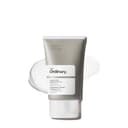
The Ordinary Azelaic Acid Suspension 10%

The Ordinary Azelaic Acid Suspension 10%

A multitasker with real evidence behind it for redness, bumps and post-acne marks — and one of the rare actives usually safe for rosacea-prone skin. A labeled 10%, for a handful of dollars.

Best overall
$12.20 · View on Amazon

Price as of July 19, 2026. #ad How we’re funded

2
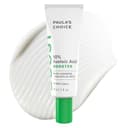
Paula's Choice BOOST 10% Azelaic Acid Booster

Paula's Choice BOOST 10% Azelaic Acid Booster

A labeled 10% azelaic acid paired with salicylic acid and licorice, in a smoother cream-gel that skips the grit of The Ordinary's suspension. The catch is a price several times higher.

Best texture
$39.00 · View on Amazon

Price as of July 19, 2026. #ad How we’re funded

3
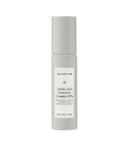
Naturium Azelaic Topical Acid 10%

Naturium Azelaic Topical Acid 10%

A labeled 10% azelaic acid bundled with niacinamide and vitamin C, all pointed at uneven tone and leftover marks. It feels smoother than the gritty suspension and sits at a mid price.

Best with added actives
$19.88 · View on Amazon

Price as of July 19, 2026. #ad How we’re funded

The picks in full

#1Best overall

The Ordinary Azelaic Acid Suspension 10%

A multitasker with real evidence behind it for redness, bumps and post-acne marks — and one of the rare actives usually safe for rosacea-prone skin. A labeled 10%, for a handful of dollars.

Strengths

  • A disclosed 10% azelaic acid with solid evidence for redness and pigmentation
  • Usually well-tolerated by rosacea-prone skin
  • Layers comfortably with most other actives

Trade-offs

  • The silicone suspension has a distinctive, faintly grainy feel
  • Overapply it and it can pill beneath some sunscreens
Key activeAzelaic acid
Stated concentration10%
FormatSilicone cream-gel
Fragrance-freeYes
Best forRosacea-prone, Blemish-prone, Sensitive

Formulation note. 10% azelaic acid. The evidence backs it for rosacea redness, mild acne and pigmentation, and it's mild enough for reactive skin — an unusually versatile, well-tolerated active.

Ingredients and claims read from the product listing, on July 18, 2026. “Not published” means the brand does not state that figure.

#2Best texture

Paula's Choice BOOST 10% Azelaic Acid Booster

A labeled 10% azelaic acid paired with salicylic acid and licorice, in a smoother cream-gel that skips the grit of The Ordinary's suspension. The catch is a price several times higher.

Strengths

  • A disclosed 10% azelaic acid with salicylic acid and licorice for tone and blemishes
  • A more elegant cream-gel texture than the gritty suspension
  • Fragrance-free and generally kind to rosacea-prone skin

Trade-offs

  • Several times the price of The Ordinary's 10% azelaic
  • The added salicylic acid overlaps if you already run a separate BHA
Key activeAzelaic acid
Stated concentration10%
FormatCream-gel
Fragrance-freeYes
Best forRosacea-prone, Blemish-prone, Uneven tone

Formulation note. 10% azelaic acid with salicylic acid and licorice extract in a cream-gel. The active load matches The Ordinary's azelaic on the headline number, so what you're paying up for is the smoother, less gritty texture and the supporting ingredients.

Ingredients and claims read from the product listing, on July 18, 2026. “Not published” means the brand does not state that figure.

#3Best with added actives

Naturium Azelaic Topical Acid 10%

A labeled 10% azelaic acid bundled with niacinamide and vitamin C, all pointed at uneven tone and leftover marks. It feels smoother than the gritty suspension and sits at a mid price.

Strengths

  • A disclosed 10% azelaic acid backed by niacinamide and vitamin C
  • A lightweight cream that avoids the grit of a silicone suspension
  • Fragrance-free and priced in the middle of the range

Trade-offs

  • Stacking three tone actives at once can be much for reactive skin
  • Costs more than The Ordinary's plain 10% azelaic suspension
Key activeAzelaic acid + niacinamide + vitamin C
Stated concentration10%
FormatLightweight cream
Fragrance-freeYes
Best forBlemish-prone, Uneven tone, Combination

Formulation note. 10% azelaic acid combined with niacinamide and vitamin C. The trio is aimed squarely at tone and marks, and the lightweight cream base is smoother than a silicone suspension — the mid price buys the texture and the extra actives.

Ingredients and claims read from the product listing, on July 18, 2026. “Not published” means the brand does not state that figure.

How to choose an azelaic acid

With most OTC options sitting around 10%, strength isn’t usually the deciding factor — texture and formula are. A plain 10% suspension is the value benchmark and does the core work of calming redness and evening tone, but the classic version has a slightly grainy, thick feel that some people dislike and that can pill under makeup. If that bothers you, a smoother-textured formula is worth the step up. If you want azelaic to pull double duty on tone, a blend with niacinamide or vitamin Cstacks complementary brightening actives in one step. Because azelaic is so gentle, it’s also a good partner for sensitive skin that can’t tolerate stronger exfoliating acids — you can often use it twice a day where a glycolic would be too much.

Cost-per-mL and everyday value

Azelaic is typically used more generously than a drops-based acid — a thin layer over the whole face, sometimes morning and night — so a bottle goes faster and cost-per-mL genuinely matters. A basic 10% suspension is one of the most affordable ways to get the ingredient, while smoother or multi-active formulas cost more for the improved feel or the extra ingredients, not for more azelaic. Decide whether you’re paying for texture, added actives, or simply the lowest price per milliliter.

Using azelaic safely

Azelaic is one of the more forgiving actives: you can usually apply a thin layer once or twice a day after cleansing, then moisturize. Some people feel a brief tingle or mild warmth at first, which typically settles as skin adjusts — ease off if it lingers. It pairs well with most other ingredients and is gentle enough to sit in a sensitive-skin routine, but it’s still worth introducing one new active at a time. If you’re combining it with other actives, our layering guide shows how to fit it in without overloading your skin.

Frequently asked questions

What does azelaic acid do for skin?

Azelaic acid gently evens tone by fading the look of dark spots and post-breakout marks, calms redness, and helps keep pores clearer. It's mild and well tolerated, which makes it a useful multitasker for sensitive or redness-prone skin that struggles with stronger acids or retinoids.

What strength of azelaic acid should I look for?

Most over-the-counter azelaic products are around 10 percent, which is the common effective strength for at-home use. Higher-strength prescription versions exist, but for general brightening and calming, a 10 percent formula is the standard starting point. Choose based on texture and any added actives rather than chasing a bigger number.

Can I use azelaic acid every day?

Yes. Azelaic is gentle enough that many people use it once or twice daily after cleansing. Start once a day if your skin is reactive and build up. If you feel persistent tingling or warmth, ease back the frequency, but it's generally one of the more tolerable actives for daily use.

Is azelaic acid good for sensitive skin?

It's one of the better-tolerated actives for sensitive and redness-prone skin. Because it exfoliates far more gently than glycolic or salicylic acid and helps calm inflammation, it often suits people who react to stronger acids or find retinoids too harsh. Introduce it slowly and patch test if you're very reactive.

Sources

Keep reading