Benzoyl Peroxide vs Salicylic Acid: Which One for Your Acne?
They fight acne two different ways. Benzoyl peroxide kills the bacteria behind red, inflamed pimples; salicylic acid clears the clogged pores behind blackheads and whiteheads — and for many people the answer is both.
Benzoyl peroxide and salicylic acid are the two most recognizable acne ingredients on the drugstore shelf, and shoppers constantly treat them as interchangeable. They’re not. They fight acne by completely different mechanisms, which means each one is better for a different kind of breakout — and, crucially, they’re often best as a team rather than a choice. Benzoyl peroxide goes after the bacteria behind inflamed pimples. Salicylic acid clears the clogged pores behind blackheads and whiteheads. Figure out which kind of acne you have and the answer usually gets obvious.
Benzoyl peroxide: kills the bacteria
Benzoyl peroxide is an antibacterial, and it’s a mainstay of acne care for good reason. It works by killing Cutibacterium acnes, the bacteria involved in the inflamed, red side of acne, and it helps clear pores as it goes. Because it targets the bacterial and inflammatory part of the picture, it’s the stronger choice for red, angry, pus-filled pimples and pustules — the breakouts that are inflamed rather than just clogged. The American Academy of Dermatology lists it among the core acne actives, and one of its underrated strengths is that bacteria don’t build resistance to it, which is why it’s often paired with acne antibiotics to keep them working. It’s sold over the counter in a range of strengths, commonly from about 2.5% up to 10%, and higher isn’t always better — lower strengths can be nearly as effective with less dryness. Two practical notes: it can be drying, and it can bleach colored fabric on contact, so use white towels and pillowcases where you apply it.
Salicylic acid: clears the pores
Salicylic acid is a beta hydroxy acid(BHA), and its defining feature is that it’s oil-soluble. That lets it dissolve into the oil inside a pore and exfoliate from within, clearing the plugs of dead skin and sebum that become blackheads and whiteheads. It also has a calming, anti-inflammatory quality that suits irritable, breakout-prone skin. So while benzoyl peroxide attacks bacteria, salicylic acid attacks the clog — which makes it the go-to for blackheads, whiteheads, and oily, congested skin, especially the bumpy, non-inflamed kind of breakout. It’s commonly used at up to 2% and comes in leave-on serums and toners as well as cleansers, so it’s easy to slot into a routine. If your face is more “clogged and textured” than “red and inflamed,” this is your ingredient.
Benzoyl peroxide vs salicylic acid at a glance
| Benzoyl peroxide | Salicylic acid | |
|---|---|---|
| How it works | Kills acne-causing bacteria; reduces inflammation | Oil-soluble exfoliant; unclogs pores from inside |
| Best acne type | Red, inflamed pimples and pustules | Blackheads, whiteheads, congestion |
| Best skin type | Inflammatory, breakout-heavy skin | Oily, combination, clog-prone skin |
| Common strengths | About 2.5%–10% (over the counter) | Up to 2% (over the counter) |
| Watch out for | Dryness; bleaches colored fabric | Dryness/over-exfoliation if overused |
| Together? | Yes — they target different causes and are commonly combined; manage dryness with a moisturizer. | |
Use benzoyl peroxide if…
- Your breakouts are red, inflamed, tender pimples and pustules.
- You want to hit the bacterial and inflammatory side of acne directly.
- You’re using it alongside an acne antibiotic and want to prevent resistance.
- You can tolerate some dryness and plan around the fabric-bleaching quirk.
Use salicylic acid if…
- Your main problem is blackheads, whiteheads, and clogged pores.
- Your skin is oily or combination and congestion-prone.
- You want a gentler-feeling, anti-inflammatory option than benzoyl peroxide.
- Your breakouts are more “bumpy and textured” than “red and angry.”
Why the answer is often both
Here’s the part people miss: most acne isn’t purely one type. If you have red inflamed pimples and blackheads and congestion — which is extremely common — then benzoyl peroxide and salicylic acid cover each other’s blind spots. A widely used, low-effort setup is a salicylic acid cleanser to keep pores clear plus a benzoyl peroxide leave-on to handle the inflamed spots, or simply one active in the morning and the other at night. The one thing to manage is dryness, since both can be drying, so build up slowly and keep a good moisturizer in rotation to protect your barrier. If breakouts persist through a consistent routine, that’s the point to add a retinoid like over-the-counter adapalene or talk to a doctor — the AAD’s acne guidance leans on combining actives that work by different mechanisms.
The verdict
Benzoyl peroxide kills the bacteria behind inflamed pimples; salicylic acid clears the pores behind blackheads and whiteheads — so match the active to your breakout, and combine them if you have both. Reach for benzoyl peroxide when acne is red and angry, salicylic when it’s clogged and bumpy, and don’t treat it as a strict either/or when your skin shows both. Go slow, moisturize, and wear sunscreen daily. For where to start, see our best acne treatments roundup and our best salicylic acid picks.
General guidance, not medical advice. Actives & Acids is written by a skincare enthusiast, not a dermatologist. For a diagnosis, a reaction, or a prescription active like tretinoin, see a qualified professional. Introduce any new active slowly and patch-test first.
Small things that make this easier
Ordinary supplies, not treatments. Nothing here changes what an active does — these are just the things the steps above assume you already have.
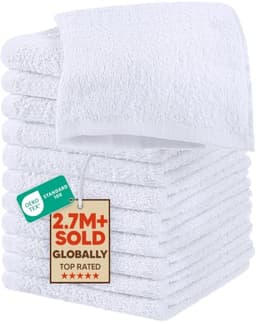
Utopia Towels
White cotton washcloths (12-pack)
Benzoyl peroxide bleaches fabric — we say so on every page that mentions it, and it catches people out constantly. White towels turn that from a ruined set into a non-event.
Price as of October 18, 2026. #ad How we’re funded
Warmstar
White cotton pillowcases (set of 2)
The same reason as the towels, for the eight hours you are not watching. Benzoyl peroxide left on overnight can bleach a colored pillowcase; a white one has nothing to lose.
Frequently asked questions
What's the difference between benzoyl peroxide and salicylic acid?
They attack acne from different angles. Benzoyl peroxide is an antibacterial that kills the acne-causing bacteria involved in red, inflamed pimples. Salicylic acid is an oil-soluble exfoliant (a BHA) that gets inside pores and clears the clogs behind blackheads and whiteheads. Bacteria versus clogged pores is the simplest way to tell them apart.
Which is better for my acne?
Match it to the type of acne. Choose benzoyl peroxide for red, angry, inflamed pimples and pustules. Choose salicylic acid for blackheads, whiteheads, and oily, congested skin. Many people have both kinds at once — which is a big reason the two are so often used together.
Can I use benzoyl peroxide and salicylic acid together?
Yes, and it's a common combination because they cover each other's weaknesses. The main thing to manage is dryness and irritation, since both can be drying. A simple approach is to use one in the morning and one at night, or a salicylic cleanser plus a benzoyl peroxide leave-on, always with a moisturizer to keep the barrier happy.
Does benzoyl peroxide really bleach fabric?
It can. Benzoyl peroxide can bleach colored towels, pillowcases, and clothing on contact, so use white linens where it's applied and let it dry before it touches fabric. Salicylic acid doesn't have this issue. It's a practical quirk worth planning around rather than a reason to avoid benzoyl peroxide.
Sources
- American Academy of Dermatology — Acne: Diagnosis and treatment — AAD overview of benzoyl peroxide, retinoids, salicylic and azelaic acid for acne (accessed July 17, 2026)
- American Academy of Dermatology — Updated guidelines for the management of acne — AAD 2024 acne management guideline summary (accessed July 17, 2026)
- U.S. FDA — Beta Hydroxy Acids in Cosmetics — FDA on salicylic acid as a beta hydroxy acid (accessed July 17, 2026)
Keep reading
Every ingredient comparison
The rest of the matchups in one place — vitamin C vs niacinamide, azelaic vs niacinamide, and which percentage is worth paying for.
Browse the comparisonsBest acne treatments
Our overall shortlist across benzoyl peroxide, salicylic, adapalene and more.
See the picksAdapalene (Differin) guide
The over-the-counter retinoid that pairs well with both of these actives.
Read the guideBest salicylic acid
If salicylic is your pick, this is where to actually buy it.
See the picksAHA vs BHA
Where salicylic (a BHA) sits among the exfoliating acids, and why it targets pores.
Read the comparisonBest benzoyl peroxide products
If benzoyl peroxide is the answer for your acne, this is which strength and format to buy.
See the picks