Chemical Exfoliants for Ingrown Hairs
Razor bumps are a hair that curled back into the skin and a plug of dead cells holding it there. Scrubs make the second half worse; acids dissolve it. Which acid for the bikini line, the legs and the beard, how often, and the shaving changes that matter as much as the product.
How this is funded: we earn a commission if you buy through our links, at no extra cost to you. It never changes which product we recommend, and we’ll tell you when we’d skip one. Full disclosure.
An ingrown hair is a mechanical problem before it is a skin problem. A hair — usually a curly one, usually shaved close — grows out, curls, and pushes its sharp tip back into the skin instead of clearing it. The body treats that tip as a foreign object and reacts with a bump, redness and sometimes pus, which is what dermatologists call pseudofolliculitis barbae when it happens on the beard and what everyone else calls razor bumps wherever it happens. The reason it is on an exfoliating-acids site is the second half of the problem: a layer of dead skin cells sits over the follicle, holds the hair under, and makes the next one likelier to catch too. Scrubs attack that layer with friction and inflame the bump further. Acids dissolve it.
That is not our theory. The published treatment review of pseudofolliculitis barbae lists topical keratolytics — retinoids, salicylic acid and alpha hydroxy acids — among the options, notes that daily application of glycolic acid has been found useful, and that glycolic and salicylic acid peels have also been found useful. It even proposes a mechanism for glycolic acid specifically: reducing the curvature of the hair shaft, and so the chance it penetrates the skin. The question for a buyer is therefore not whether an acid helps, but which acid, on which body part, how often, and what else has to change.
Which acid for which area
The two acids in play behave differently, and the difference maps neatly onto body parts. Salicylic acid is a beta hydroxy acid and it is oil-soluble, which the FDA notes is its defining property: it can move through the sebum in a follicle rather than sitting on top of it. An ingrown hair lives in a follicle. That makes a leave-on 2% BHA the precise tool for individual bumps on the beard, the neck and the bikini line, where the skin is thinner and you are treating dozens of follicles rather than a whole limb. Glycolic acid is an alpha hydroxy acid, water-soluble, and works across the surface — loosening the dead-cell layer broadly. It is the better fit for legs, thighs and anywhere the complaint is “my whole shin is bumpy,” and it is the acid the treatment literature names for daily use. The two are compared properly in AHA vs BHA.
- Beard and neck: leave-on 2% salicylic acid, swept on with a cotton pad, two or three nights a week. The neck is the most reactive skin on this list; start there at once a week.
- Bikini line and upper thigh: the same 2% BHA, on the outer, shaveable skin only — never mucosal — two nights a week, and never on shave day.
- Legs: a 7% glycolic acid toner on a pad or poured into the palm, building from three nights a week toward daily as tolerated. Body skin here is thick and forgiving.
- Underarms: a special case with its own page — glycolic acid for armpits.
How to use an acid on ingrown-prone skin
Never on the day you shave or wax. Freshly shaved skin has micro-abrasions across it, and an acid on those is a sting you will not forget. The rhythm that works is shave, then acid the following night, then acid again a night or two later, then shave. If you shave daily on the face, apply the BHA at night and shave in the morning, twelve hours apart.
Clean, dry skin, then moisturize. Apply after a shower once the skin is fully dry — damp skin absorbs faster and stings more. Sweep a liquid BHA or glycolic toner over the area with a pad, wait a couple of minutes, then apply a fragrance-free moisturizer. On legs a plain ceramide cream is fine; on the bikini line and neck, keep it light.
Build frequency, not strength. Two percent salicylic acid and seven percent glycolic acid are the right numbers. There is no benefit to a 30% peel on your bikini line and considerable risk; the FDA’s guidance on consumer AHA products relays a safe-use ceiling of 10% at a pH of 3.5 or above, and the at-home peels that exceed it are for resilient facial skin that already knows acids. Go from two nights a week to three, and on body skin from three to daily, only if there is no redness or stinging the next morning.
Sunscreen on exposed areas. The FDA’s sunburn alert for AHA products is explicit: increased sun sensitivity during use and for a week after. That matters for legs in summer and for the beard year-round. Exfoliated skin also darkens more readily after inflammation, which is how a razor bump turns into a dark spot that outlasts it by months.
What has to change about the shave
An acid manages the skin side of the problem; it cannot stop a curly hair being cut to a sharp point below the surface. The treatment review’s shaving advice is specific and worth following in full. Do not dry-shave. Soften the hair first with warm water — shaving at the end of a shower is the simplest version. Shave in the direction the hair grows, not against it, and do not pull the skin taut to get closer; close is the enemy here. Use a sharp blade, and consider electric clippers that leave about a millimeter of hair, which the review describes as a way to keep the tip above the skin where it cannot re-enter. For people with severe recurrent bumps, the review also notes that chemical depilatories rarely cause the condition, because they leave a blunt, feathered tip rather than a sharp one — worth knowing if shaving has been a losing battle.
Do not pick, tweeze or squeeze an ingrown. Pulling the hair out leaves an open follicle for the next one to grow into wrong, and squeezing an inflamed bump is how it scars. If a hair is visibly looped under the surface, a sterilized needle can lift the loop free without extracting the hair; anything more than that is a dermatologist’s job.
Ingrowns versus everything that looks like them
Not every bump on shaved skin is an ingrown hair, and the acids on this page only help the ones that are. Keratosis pilaris — the uniform rough bumps on the backs of the upper arms and thighs — is a keratin-plug problem too, and the American Academy of Dermatology lists the same acids for it, but it has nothing to do with shaving; our glycolic acid for keratosis pilaris guide covers the different routine. Folliculitis is an inflamed or infected follicle that can look identical to a razor bump and may need an antibacterial rather than an acid. And body breakouts on the chest and back are acne, for which benzoyl peroxide is the tool — see benzoyl peroxide for body acne. The tell for a true ingrown is that you can usually see the hair: a dark line or loop under the surface of the bump.
When a cosmetic acid is not enough
Bumps that are hot, swollen, pus-filled or recurring in the same spot, and especially bumps that are leaving keloid-like raised scars or persistent dark patches, have moved beyond what a 2% or 7% leave-on can do. The treatment literature for pseudofolliculitis barbae includes prescription topical retinoids, antibiotics and — as the definitive option for people who can stop shaving — laser hair removal, which removes the cause rather than managing the symptom. A cosmetic acid is the right first step and a good maintenance step; it is not a substitute for that conversation if the first step has not worked in two months.
General guidance, not medical advice. Actives & Acids is written by a skincare enthusiast, not a dermatologist. For a diagnosis, a reaction, or a prescription active like tretinoin, see a qualified professional. Introduce any new active slowly and patch-test first.
What we'd actually buy
Chosen from the same registry as our roundups, on published formulation facts rather than hands-on testing — here is exactly what we do instead.
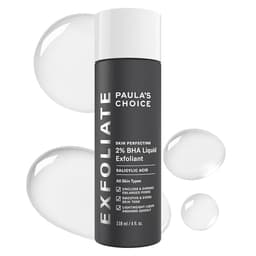
Paula's Choice
Skin Perfecting 2% BHA Liquid Exfoliant
A stated 2% salicylic acid at a working pH, in a watery liquid you sweep over the bikini line or beard with a pad. Oil-soluble, so it gets into the follicle where the plug is — the format we would buy first for face, neck and bikini.
See it ranked in fullPrice as of September 19, 2026. #ad How we’re funded
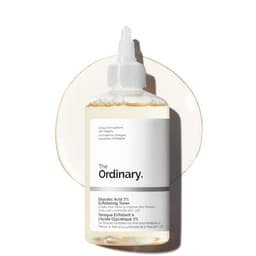
The Ordinary
Glycolic Acid 7% Exfoliating Toner
The daily glycolic the treatment literature describes, at a stated 7% in a 240 ml bottle big enough to use on legs and thighs without rationing. The AHA for large body areas where the problem is rough, bumpy skin rather than a single follicle.
See it ranked in fullPrice as of September 19, 2026. #ad How we’re funded
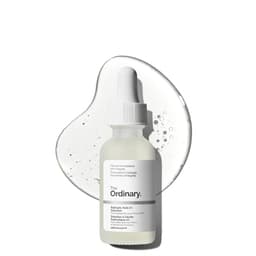
The Ordinary
Salicylic Acid 2% Solution
The budget leave-on BHA: the same stated 2% for a few dollars, in a 30 ml bottle better suited to spot-treating a beard line or a few stubborn bumps than to a whole leg.
See it ranked in fullFrequently asked questions
Which acid is best for ingrown hairs?
It depends on where. For the beard, neck and bikini line — small areas, individual follicles — a leave-on 2% salicylic acid is the better tool, because it is oil-soluble and gets into the follicle where the plug sits. For legs and thighs, where the problem is broad rough bumpy skin, a daily glycolic acid is what the published treatment review for razor bumps describes as useful, and a 7% toner in a big bottle covers the area affordably.
How often should I use a chemical exfoliant for ingrown hairs?
Start at two or three times a week on the area, at night, on clean dry skin, and build toward daily on body skin if there is no stinging or redness. Body skin on the legs is thicker and more tolerant than the bikini line or the neck — treat those like face skin and stay at two or three nights a week. Skip it entirely on the day you shave or wax; apply to freshly shaved skin and it will sting.
Can I use salicylic acid on my bikini line?
Yes, on the outer bikini line and upper thigh — the skin you would shave — and never on mucosal skin. Use a leave-on 2% two or three nights a week, not on shave day, and stop if it burns rather than tingles. It is the same product and the same strength people use on their face; the skin there is simply more sensitive, so the frequency is lower.
Do chemical exfoliants prevent ingrown hairs or just treat them?
Both, if used consistently. A keratolytic thins the layer of dead cells the hair tip has to push through, which reduces the chance it curls back under, and the treatment review describes daily glycolic acid as useful in exactly that preventive way. What it does not change is the hair itself — a curly hair shaved close will keep trying to grow back into the skin, which is why the shaving changes matter as much as the acid.
Should I use a scrub or an acid for ingrown hairs?
An acid. A physical scrub can lift the very top layer but it also inflames the bumps, spreads bacteria from an infected one, and does nothing inside the follicle. A chemical exfoliant dissolves the dead-cell plug without friction. If you like the ritual of a scrub, keep it to once a week on legs only and never on an inflamed area.
When is an ingrown hair a doctor problem?
When the bumps are hot, swollen, filled with pus, keep coming back in the same spot, or are leaving raised scars or dark patches that do not fade. Severe or scarring razor bumps on the beard area in particular have prescription options — retinoids, topical antibiotics, and laser hair removal, which the treatment literature lists among the definitive options — that a cosmetic acid cannot match.
Sources
- Pseudofolliculitis barbae; current treatment options (PMC) — Ogunbiyi, Clinical, Cosmetic and Investigational Dermatology 2019 — review of ingrown-hair (razor bump) treatment: daily glycolic acid found useful, glycolic and salicylic peels useful, topical keratolytics (retinoids, salicylic acid, AHAs) usable, plus the shaving-practice advice (clippers leaving 1 mm, never dry-shave, shave with the grain) (accessed September 18, 2026)
- U.S. FDA — Beta Hydroxy Acids in Cosmetics — FDA on salicylic acid as a beta hydroxy acid (accessed July 17, 2026)
- U.S. FDA — Alpha Hydroxy Acids — FDA on AHAs and increased sun sensitivity (accessed July 17, 2026)
- American Academy of Dermatology — Keratosis pilaris: Diagnosis and treatment — AAD on exfoliating with AHA, glycolic, lactic, salicylic acid, retinoids and urea for KP (accessed August 19, 2026)
- Chemical Peels for Skin Resurfacing — StatPearls (NCBI Bookshelf) — Reference overview of AHA/BHA exfoliation mechanisms (accessed July 17, 2026)
Keep reading
Glycolic acid for keratosis pilaris
The other body-skin keratin problem — the same acids on upper arms and thighs, and how the routine differs.
Read the guideAHA vs BHA
Why salicylic acid reaches into a follicle and glycolic works the surface — the distinction this page is built on.
Read the comparisonBest salicylic acid products
The leave-on BHAs ranked in full, including the two on this page.
See the picksHow to use glycolic acid
Frequency, application and the sunscreen rule for the AHA on this page.
Read the guideGlycolic acid for armpits
The other body use of the same 7% toner, taken seriously — what it can and cannot do under the arm.
Read the guideBenzoyl peroxide for body acne
If the bumps on your chest or back are breakouts rather than ingrowns, this is the page you want.
Read the guide