The Ordinary Salicylic Acid 2% Solution Review
The cheapest leave-on BHA on the shelf, reviewed off its label rather than a testimonial. Why this one is regulated as an over-the-counter acne drug, what a stated pH of 3.20 to 4.00 buys you, the eleven inactive ingredients, and how to tell it apart from the two other salicylic acids the same brand sells.
How this is funded: we earn a commission if you buy through our links, at no extra cost to you. It never changes which product we recommend, and we’ll tell you when we’d skip one. Full disclosure.
The Ordinary sells three products with salicylic acid in the name, and this review is about the one most people mean: the water-based Salicylic Acid 2% Solution, in the 30 mL dropper bottle. It is reviewed the way every product on this site is — from the label. The brand’s own Drug Facts panel, its published inactive ingredient list, its stated pH band, its directions and its claims, read on the date in the Sources block, set against the FDA’s description of beta hydroxy acids and the dermatology guidance on acne. The method is spelled out in how we pick. What you get is a review of what is in the bottle and who should buy something else. What you do not get is a description of how it felt on our face.
The verdict in one paragraph
For oily or resilient skin whose complaint is blackheads, rough texture and congestion, this is the honest budget answer, and the single most interesting thing about it is one most reviews miss: in the United States it is not a cosmetic at all. The brand declares its salicylic acid as an over-the-counter drug active — “Salicylic Acid 2% (Acne Treatment)” — with the eleven inactive ingredients listed separately underneath, which is why the acid itself does not appear in that list. The caveats are specific. The published pH band, 3.20 to 4.00, is wide. There is nothing else in the bottle: no oils, no silicones, no soothing extras, which is exactly why it feels watery and why dry or reactive skin should buy something else. The Drug Facts directions permit up to three applications a day, which is far more than most people’s skin wants. And the brand’s ten-item conflict list is more restrictive than the evidence supports. None of that changes the recommendation for the skin it was built for.
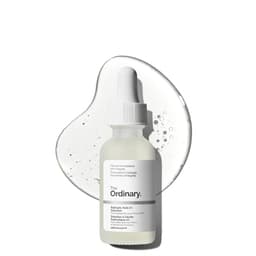
At a glance
The Ordinary Salicylic Acid 2% Solution
Declared active: Salicylic Acid 2%, as an over-the-counter acne treatment. Inactive ingredients: eleven, no fragrance among them. Brand-stated pH: 3.20 to 4.00.
Size: 30 mL, the only size the brand lists for this version. The Amazon listing our button links to is the 1 fl oz bottle.
Price as of October 5, 2026. #ad How we’re funded
Product image supplied by Amazon.
What is on the label
Read from the brand’s own product page on October 5, 2026, the label splits in two, which is the structure of a US over-the-counter drug rather than a cosmetic. The active ingredient is stated as “Salicylic Acid 2% (Acne Treatment)”. The inactive ingredients are then listed separately, alphabetically rather than by descending concentration, as drug labels are: Water, Chlorphenesin, Citric Acid, Glycerin, Isoceteth-20, Pentylene Glycol, Phenoxyethanol, Saccharide Isomerate, Sodium Citrate, Sodium Hydroxide, Xanthan Gum.
Two things follow from that list, and both matter more than they look. The first is that the alphabetical order tells you nothing about how much of anything is in there — unlike the brand’s glycolic toner, where glycolic acid sitting second behind water is itself informative, you cannot read strength off this label beyond the declared 2%. The second is how little else is present. Glycerin is the only humectant. Citric acid, sodium citrate and sodium hydroxide are there to buffer the pH into the stated band. Isoceteth-20 is a solubilizer, which is how a poorly water-soluble acid stays dissolved in a water base at all. Saccharide isomerate is a hydrating sugar complex. Chlorphenesin and phenoxyethanol are the preservatives, and xanthan gum thickens. There is no fragrance, no alcohol, no oil, no silicone and nothing soothing. This is an acid in water, and that austerity is the product.
The thing almost nobody mentions: this is a drug
The brand carries a Drug Facts panel on this product and does not on the newer squalane-based version. That distinction is not cosmetic trivia. It means this formula is sold under the US regulatory framework for over-the-counter acne treatments, with a declared active, a required directions block, and required warnings — including the one that reads that “skin irritation and dryness is more likely to occur if you use another topical acne medication at the same time.” If you are also using benzoyl peroxide or adapalene, that sentence is about you, and it is the most practically useful line on the bottle.
It also sets the expectation correctly. The FDA describes salicylic acid as a beta hydroxy acid, and the relevant property is that it is oil-soluble, so it can get down into a sebum-filled pore where a water-soluble AHA stops at the surface. That is the whole mechanical argument for a BHA over an AHA, and it is the argument made in full on AHA vs BHA. Every over-the-counter salicylic acid product in our registry — this one, the Paula’s Choice liquid, the La Roche-Posay cleanser — lands at the same 2%, so the strength is not where these products differ. The formula around the acid is.
What pH 3.20 to 4.00 means here
The brand publishes a pH range rather than a single figure, and at 0.8 of a pH unit it is a wide one. Lower pH means more of the salicylic acid is in its un-ionized free-acid form, which is the form that penetrates; it also means more sting. A band that spans 3.20 to 4.00 is therefore a band that spans a meaningful difference in how the same bottle behaves, and the brand does not narrow it the way it narrows the glycolic toner’s band to “approximately 3.6” in its own copy.
We would not read that as a defect so much as a reason to start low. It also explains a common complaint — that this product stings more than a pricier 2% BHA — without needing to invoke anything mysterious: a thin, watery vehicle at the acidic end of a wide band, with no emollient or anti-irritant in the formula, is a sharper delivery of the same active than a buffered lotion is.
Which salicylic acid is this? The three-product problem
This is where most buyers go wrong, and the brand’s naming does not help. There are three products, and the autocomplete suggestions for “the ordinary salicylic acid” mix all of them together. The table below is read from the brand’s own pages for the two leave-on solutions.
| Label fact | Salicylic Acid 2% Solution (this review) | Salicylic Acid 2% Anhydrous Solution |
|---|---|---|
| Legal status | US over-the-counter drug: Drug Facts panel, active stated as “Salicylic Acid 2% (Acne Treatment)” | Cosmetic: salicylic acid appears fourth in an ordinary INCI list, no Drug Facts panel |
| Base | Water-based, oil-free, silicone-free | Water-free; squalane plus caprylic/capric triglyceride and hydrating polyglycerides |
| Ingredient count | 11 inactives plus the declared active | 9 in total |
| Published pH | 3.20 to 4.00 | None published — an anhydrous formula has no meaningful pH |
| Directions | Thin layer over the affected area one to three times daily, starting at once | Morning and evening, as a dot or over the face |
| Brand positioning | Acne, textural irregularities, signs of congestion | “A gentler solution for blemish-prone skin and uneven texture” |
The practical reading: if your skin is oily and you want the acid working as an acne treatment, the water-based original is the one, and it is what our buy button links to. If you are dry, reactive, or you have already found a watery BHA too harsh, the anhydrous squalane version is the brand’s own answer to that complaint — we do not stock it in our registry, so we have no live price for it and no pick to offer, but it is the honest alternative to name. There is also a 2% masque and a 0.5% body serum under similar names; neither is this product.
The conflict list, checked
The brand lists ten things not to use with it: copper peptides, direct acids, direct vitamin C, EUK, niacinamide powder, peptides, retinoids, and three of its own products. As with the azelaic and glycolic formulas, this is more cautious than the evidence. “Direct acids” and “retinoids” are sensible to keep off the same night while you are building tolerance, and that is an irritation argument rather than a chemistry one. Niacinamide is the item worth pushing back on: pairing a niacinamide serum with a salicylic acid is a reasonable routine and the reasoning is laid out in niacinamide and salicylic acid. Note the brand’s list specifies niacinamide powder, which is a different proposition from a formulated serum.
Who it is for
Buy it if your skin is oily, combination or resilient; your complaint is blackheads, visible pores and rough texture rather than redness; you are comfortable starting slowly and using a moisturizer afterwards; and the price matters. It is the cheapest way to find out whether a leave-on BHA suits you at all, which is a genuinely useful thing for a product to be.
Buy something else if your skin is dry, sensitive or rosacea-prone — there is nothing in this formula to cushion the acid, and the gentler options are ranked in best chemical exfoliants for sensitive skin. Buy something else if your acne is inflamed and painful rather than congested: benzoyl peroxide and adapalene have the stronger evidence there, and best OTC acne treatments ranks them against each other. And buy the pricier 2% liquid instead if you have already tried a cheap watery BHA and abandoned it over dryness; the active is the same, and what you are paying for is staying on it.
How to use it
Cleanse, let skin dry, apply a thin layer with the dropper — a few drops is plenty for a whole face — wait a couple of minutes, then moisturize. Two or three nights a week to begin, not the up-to-three-times daily the Drug Facts panel allows, and not on the same night as a retinoid or another acid while you are still finding your tolerance. Sunscreen in the morning is non-negotiable on any exfoliating acid; the picks are on best sunscreen for acne-prone skin. If you get tightness, flaking or stinging that lasts past the hour, you have gone too fast — signs of over-exfoliation lists the rest of the tells.
Bottom line
A plain, honest, almost aggressively minimal 2% BHA that happens to be regulated as an acne drug, priced so low that trying it costs nothing. The austerity is the whole argument in both directions: there is nothing in the bottle to get in the way of the acid, and nothing in it to protect you from the acid either. Oily skin after blackheads should buy it. Dry or reactive skin should buy the brand’s anhydrous version or a cushioned 2% liquid instead, and the brand itself says as much in the way it positions the two.
General guidance, not medical advice. Actives & Acids is written by a skincare enthusiast, not a dermatologist. For a diagnosis, a reaction, or a prescription active like tretinoin, see a qualified professional. Introduce any new active slowly and patch-test first.
What we'd actually buy
Chosen from the same registry as our roundups, on published formulation facts rather than hands-on testing — here is exactly what we do instead.
The Ordinary
Salicylic Acid 2% Solution
The bottle this page is about, and the cheapest leave-on 2% BHA we have found. Buy it if your skin is oily or resilient, your complaint is blackheads and congestion rather than dryness, and you want the acid with nothing else in the bottle. Start at one application a day at most — two or three nights a week is the sane way in, whatever the Drug Facts panel permits.
See it ranked against its rivalsPrice as of October 5, 2026. #ad How we’re funded
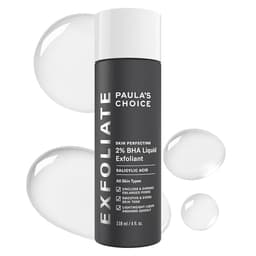
Paula's Choice
Skin Perfecting 2% BHA Liquid Exfoliant
The same stated 2% salicylic acid in a formula that is built to be comfortable rather than minimal, with a lighter, less watery feel on the skin. It costs several times more per milliliter, and that is what you are buying: the same active, a better daily experience. The upgrade if the dryness from the watery version is what makes you stop.
See it ranked in fullPrice as of October 5, 2026. #ad How we’re funded
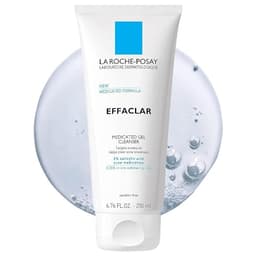
La Roche-Posay
Effaclar Medicated Gel Cleanser (2% Salicylic Acid)
The rinse-off route to the same acid: a labeled 2% salicylic acid in a gel cleanser, so it is on your skin for under a minute. Much less potent by design, which is the point for skin that finds a leave-on BHA too drying or that is already running a retinoid. Note it is fragranced, unlike the leave-on.
See the washes rankedPrice as of October 5, 2026. #ad How we’re funded
Frequently asked questions
Is The Ordinary Salicylic Acid 2% Solution good?
For oily or resilient skin whose main complaint is blackheads and congestion, yes — it is a labeled 2% salicylic acid declared as an over-the-counter acne drug active, with eleven inactive ingredients, no fragrance in the list and a price that is hard to argue with. It is the wrong buy for dry or reactive skin: the formula is water-based with no oils, silicones or soothing extras, so there is nothing in it to offset the dryness that a leave-on BHA causes.
How often should I use it?
The Drug Facts directions say to start with one application daily and increase to two or three times daily if needed. We would start lower than that — two or three nights a week — and climb only if your skin stays comfortable, because most people buying this are also using something else active. The brand's own warning is relevant here: skin irritation and dryness are more likely if you use another topical acne medication at the same time.
What is the difference between Salicylic Acid 2% Solution and 2% Anhydrous Solution?
They are different products with different legal status. The original Solution is water-based and declares its salicylic acid as a US over-the-counter DRUG active for acne treatment, with a published pH of 3.20 to 4.00. The newer Anhydrous Solution is water-free, built on squalane, and lists salicylic acid fourth in an ordinary nine-ingredient cosmetic INCI list with no Drug Facts panel and no published pH — the brand positions it as the gentler option whose squalane base releases the acid gradually. Our buy button links to the original water-based Solution.
Does it contain fragrance?
No fragrance or parfum appears in the published inactive ingredient list. Worth noting precisely: the brand does not carry a fragrance-free claim badge on this product the way it carries water-based, alcohol-free, oil-free and silicone-free. So the honest statement is that no fragrance is listed, rather than that the brand claims there is none.
Can I use it with niacinamide or retinol?
The brand's conflict list says no to both — it names copper peptides, direct acids, direct vitamin C, EUK, niacinamide powder, peptides and retinoids among ten items to avoid pairing it with. That list is considerably more restrictive than the evidence. Niacinamide and salicylic acid are a sensible pairing used in the same routine; retinoids and a leave-on BHA on the same night is the combination worth separating, not because of a chemical reaction but because of cumulative irritation.
Will it help acne or just blackheads?
Both, with a caveat. Salicylic acid is oil-soluble, so it works inside a sebum-filled pore where a water-soluble AHA cannot reach, and it is named in the AAD's acne guidance among the over-the-counter options. It is less effective against inflammatory, red, painful acne than benzoyl peroxide or a retinoid. If your spots are inflamed rather than congested, start with those instead.
Sources
- The Ordinary — Salicylic Acid 2% Solution (official product page) — The brand's own listing for the water-based original: the salicylic acid is declared as a US over-the-counter DRUG active — "Salicylic Acid 2% (Acne Treatment)" — with the remaining eleven ingredients listed separately and alphabetically (Water, Chlorphenesin, Citric Acid, Glycerin, Isoceteth-20, Pentylene Glycol, Phenoxyethanol, Saccharide Isomerate, Sodium Citrate, Sodium Hydroxide, Xanthan Gum); a stated pH of 3.20-4.00; a single 30 mL size; Drug Facts directions to "cover the entire affected area with a thin layer one to three times daily," starting at once daily; the water-based, alcohol-free, oil-free, silicone-free, vegan, gluten-free and cruelty-free claims (there is NO fragrance-free claim, though no fragrance appears in the list); the warning that "skin irritation and dryness is more likely to occur if you use another topical acne medication at the same time"; the targeted concerns (acne, textural irregularities, signs of congestion); and a ten-item conflict list (copper peptides, direct acids, direct vitamin C, EUK, niacinamide powder, peptides, retinoids, Saccharomyces Ferment 30% Milky Toner, GF 15% Solution, Multi-Active Delivery Essence) (accessed October 5, 2026)
- The Ordinary — Salicylic Acid 2% Anhydrous Solution (official product page) — The brand's own listing for the newer squalane-based version, sold alongside the original and routinely confused with it: nine ingredients with salicylic acid FOURTH in the regular INCI list rather than in a Drug Facts panel (Squalane, Caprylic/Capric Triglyceride, Pentylene Glycol, Salicylic Acid, Oleic/Linoleic/Linolenic Polyglycerides, 4-t-Butylcyclohexanol, Hydroxymethoxyphenyl Decanone, Phenoxyethanol, Chlorphenesin), so it is sold as a cosmetic exfoliant and not as an acne drug; no pH is published, the formula being water-free; a 30 mL size; morning-and-evening directions; the water-free, alcohol-free, oil-free, silicone-free, vegan, gluten-free and cruelty-free claims; the brand's positioning as "a gentler solution for blemish-prone skin and uneven texture" whose squalane base and polyglycerides release the acid gradually; and the same ten-item conflict list as the original (accessed October 5, 2026)
- U.S. FDA — Beta Hydroxy Acids in Cosmetics — FDA on salicylic acid as a beta hydroxy acid (accessed July 17, 2026)
- American Academy of Dermatology — Acne: Diagnosis and treatment — AAD overview of benzoyl peroxide, retinoids, salicylic and azelaic acid for acne (accessed July 17, 2026)
- American Academy of Dermatology — Updated guidelines for the management of acne — AAD 2024 acne management guideline summary (accessed July 17, 2026)
- American Academy of Dermatology — Should I apply my skin care products in a certain order? — AAD on the order to apply cleanser, treatment, moisturizer and sunscreen (accessed July 17, 2026)
Keep reading
Best salicylic acid products
This solution ranked against the 2% BHA liquid, the medicated cleanser and the weekly peel, on stated strength, format and cost per mL.
See the rankingHow to use salicylic acid
The method this review assumes: patch test, build frequency slowly, nothing else strong on the same night.
Read the guideThe Ordinary, decoded
Which bottle in a confusing range is for which concern, including the three salicylic acid products.
Read the guideThe Ordinary Glycolic Acid 7% Toner review
The same brand's AHA, reviewed the same way — and the other acid most people are choosing between.
Read the reviewHow to get rid of blackheads
What a BHA does and does not do for blackheads, and the squeezing mistake that makes them worse.
Read the guideGlycolic acid vs salicylic acid
Oil-soluble or water-soluble, and which complaint each one is actually the tool for.
Compare them