What the format actually changes
A toner is the same acids you would find in a serum, sold in a much larger bottle and applied a different way. Three things follow from that, and no ingredient ranking covers them.
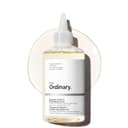
Volume changes the maths completely.The two cheapest picks here are 240 mL and 250 mL. A typical acid serum is 30 mL. That is eight times the product, which is why a toner at a modest price can be the cheapest real active in a bathroom — and also why it is the format to choose if you want to treat a neck, a chest or a back as well as a face.
The cotton pad drinks some of it.A pad soaks up a meaningful share of whatever you pour onto it, which is fine when the bottle is 240 mL and wasteful when it is not. If you want less waste, decant a little into your palm and press it on with your fingertips — the same amount of acid, none of it left in the cotton. The pad’s advantage is evenness, not efficacy.
A big bottle invites overuse. This is the real hazard of the format. Nobody over-applies a 30 mL serum they paid for carefully; plenty of people sweep a cheap 240 mL toner over their face morning and night because there is so much of it. The acid does not know what the bottle says.
How we ranked
1. Is the acid and its percentage published? All four below print both, which makes this an unusually well-disclosed corner of skincare. That is partly because salicylic acid at 2% in an acne product is an OTC drug active in the US and comes with a Drug Facts panel, and partly because the brands that built this format built it on stating numbers.
2. Is the pH published?The percentage alone does not tell you how much of the acid is in the free form that does the work — pH decides that, and the published AHA reviews are explicit that concentration and pH have to be read together. Two picks here publish a pH or a pH band. Two do not. That gap drives the ordering as much as the percentages do.
3. Volume, and therefore cost per use. Covered above, and it is why the value award and the overall award land on the same product.
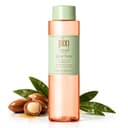
4. Fragrance and base.One pick here is fragranced, which counts against a leave-on applied to freshly exfoliated skin. Soothing extras — aloe, green tea, a fermented antioxidant blend — are a mild plus, not a substitute for using the product less often.
Which toner, by complaint
Rough texture, dullness, uneven tone.A glycolic toner. The 7% is the stronger and cheaper option; the 5% is the one to choose if you want to work toward using it most nights. Glycolic is water-soluble and works on the surface, which is why it shows up faster than a retinoid and does less in the long run — best glycolic acid has the full ranking.
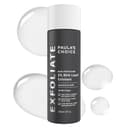
Blackheads, clogged pores, oily congestion.The BHA liquid. Salicylic acid is oil-soluble, so it reaches inside the pore lining where an AHA cannot go. This is the one case where the acid choice really is decided for you — AHA vs BHA explains why.
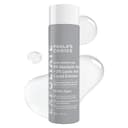
Sensitive or reactive skin. The mandelic and lactic liquid. Mandelic is the large, slow AHA molecule, the lactic acid adds hydration, and the brand publishes a pH band for the pair. Its headline percentage is lower than the single-acid options, which is the design rather than a shortfall.
Deeper skin tones worried about marks. Also the mandelic option, for the reason set out on best mandelic acid — a slower, gentler acid is the lower-risk way to treat tone on skin that can respond to irritation with pigment.
How to use an exfoliating toner without wrecking your barrier
At night, after cleansing, on dry skin.Two or three nights a week for the first month. Add a night every couple of weeks only if the previous frequency was comfortable — comfortable meaning no tightness, no stinging when you apply a moisturizer, no new shine.
One acid at a time, and not on retinoid nights while you are building tolerance. The point is not that the combination is forbidden forever; it is that you cannot tell which product caused a problem if you started two at once.
Sunscreen the next morning, which the FDA’s own AHA guidance calls for directly. If you skip it you are exfoliating skin and then exposing it, which is the one way to make an acid actively counter-productive.
Do not also scrub.The AAD’s face-washing guidance is to be gentle, and a leave-on acid plus a physical scrub is the combination that turns glow into a barrier problem. If your skin is already tight, read signs of over-exfoliation before you buy anything.
What we did not rank, and why
Leave-on acid gels and serums. Excluded on format, including one 8% glycolic gel we rate highly: it is a leave-on gel you spread, not a liquid you swipe, and the whole point of this page is the format. It is ranked on best glycolic acid and best chemical exfoliants, which is where to go if you do not care about the bottle.
Pre-soaked exfoliating pads.A real search (“exfoliating toner pads” is one of the live completions of this query) and not something we can rank honestly: the ones we examined publish a percentage for the liquid, if anything, and nothing about how much liquid is on each pad — so the dose per use is unknowable.
Hydrating and pH-balancing toners. A different product that happens to share a name. If there is no acid in it, it is not on this page.
High-strength weekly peels. A 30% AHA peel is a different risk profile and a different instruction set. There is one in our registry and it is ranked with the glycolic products, not here.