How to match an active to your breakout
Before you buy anything, look at what your acne actually is. Small, flesh-colored or dark bumps, blackheads and whiteheads that never quite come to a head are comedonal— clogged pores. Red, raised, tender spots that can fill with pus are inflammatory. Many people have a mix, and plenty have breakouts on the chest, shoulders and back as well as the face. Matching the active to that picture is what separates steady progress from months of trial and error, so work through the sections below and pick the one that describes your skin best.
Comedonal acne: blackheads and clogged pores
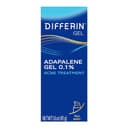
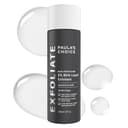
For clogged, bumpy skin the strongest all-rounder is a topical retinoid. Adapalene — the active in Differin— is the only retinoid available over the counter, and it works by normalizing how skin cells shed so pores stop plugging in the first place. It also has some of the best evidence of any OTC acne active, which is why it earns best overall here. Expect it to take a couple of months and to cause some early dryness or purging as it speeds up cell turnover. If you’d rather target existing blackheads directly, a leave-on salicylic acid such as Paula’s Choice 2% BHAis oil-soluble, so it works inside the pore to clear the plug and keep it clear. Adapalene at night and a BHA a few mornings a week is a well-tolerated pairing once your skin is used to each one — our guide to layering actives covers how to introduce them without overlap.
Inflammatory acne: red, sore breakouts
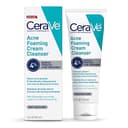
When the problem is angry, pus-filled spots, benzoyl peroxide is the classic answer because it kills the bacteria involved in inflammatory acne and, unlike antibiotics, doesn’t drive resistance. A wash format like the CeraVe Acne Foaming Cream Cleanserwith 4% benzoyl peroxide is a gentle way to get the benefit: it rinses off, so it’s less likely to over-dry than a leave-on, while the ceramides in the base help offset the characteristic tightness. Benzoyl peroxide bleaches fabric, so use white towels and pillowcases. If you want to understand where it fits against a BHA, the benzoyl peroxide vs salicylic acid comparison walks through when each one is the better choice.
Sensitive, red or easily-marked skin
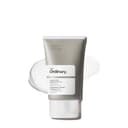
If your skin flushes easily, stings with most actives, or holds onto dark marks long after a spot has healed, azelaic acid is the gentle multitasker to reach for. The Ordinary Azelaic Acid 10%calms redness, has mild anti-bacterial and pore-clearing action, and helps fade the post-acne discoloration that often bothers people more than the spots themselves. It tends to be far better tolerated than benzoyl peroxide or a retinoid, which makes it a sensible first active for reactive skin — and a good companion for anyone whose main concern is the marks left behind. If that’s you, the dedicated acne-scar serum roundup and the sensitive-skin guide go deeper.
Body and back acne
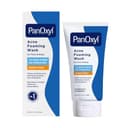
Breakouts on the chest, shoulders and back need a higher-strength, wash-off approach because the skin there is thicker and the area is larger. The PanOxyl Acne Foaming Washwith 10% benzoyl peroxide is built for exactly this: you lather it on in the shower, leave it for a minute, and rinse. Because it doesn’t stay on the skin, the strong concentration is manageable on body skin that would find it too much on the face. Again, keep it away from colored towels and clothing.
Protect your barrier and wear sunscreen
Every effective acne active can be drying, and a stripped barrier makes skin redder, flakier and paradoxically more prone to breaking out. The fix is simple: pair whatever active you choose with a plain, fragrance-free moisturizer, apply it while skin is still slightly damp, and don’t stack more actives than your skin can handle. Retinoids and exfoliating acids also make skin more sun-sensitive, so a daily broad-spectrum sunscreen isn’t optional — it protects your skin and it stops UV from deepening the dark marks that acne leaves behind. When you’re ready to build a full routine, the best acne treatments roundup pulls the actives together into a plan.
When to see a dermatologist
Over-the-counter actives handle a lot, but they have limits. Deep, painful cysts and nodules, acne that’s already leaving scars, or breakouts that haven’t budged after a few consistent months all warrant a dermatologist. Prescription options — stronger retinoids, oral treatments and in-office procedures — work on cases the shelf can’t, and getting to them sooner means less permanent scarring. Treating early and treating properly is always cheaper than treating the marks later.