Glycolic Acid for Armpits: What It Can and Cannot Do
A seven-dollar toner became a viral deodorant, and the claim is half plausible. What glycolic acid can reasonably do to underarm odor and darkening, what it does nothing for, what the evidence actually is, and the way to use it that does not end in a raw, stinging armpit.
How this is funded: we earn a commission if you buy through our links, at no extra cost to you. It never changes which product we recommend, and we’ll tell you when we’d skip one. Full disclosure.
Somewhere around 2020 a seven-percent glycolic acid toner sold for the face became, on social media, a deodorant. The claim spread because it was cheap to test and because for some people it appeared to work. It is worth taking seriously for exactly one reason: the mechanism is not crazy. It is also worth being clear-eyed about, because the trend has quietly grown three separate claims — odor, darkening and sweat — and they do not share the same footing. Here is what a glycolic acid can plausibly do under the arm, what it cannot, what the evidence actually says, and how to use it so the experiment does not end in a raw armpit.
The three claims, separately
Odor: plausible, unproven
Sweat itself is nearly odorless. The smell comes from bacteria on the skin breaking sweat down, and the bacterial population under the arm is sensitive to the acidity of the surface it lives on. An acid applied to the skin lowers that surface pH, at least for a while, and a less hospitable surface plausibly means less odor. That is the whole argument, and it is a reasonable one. It is not, however, a demonstrated one: we searched the peer-reviewed literature for a clinical trial of glycolic acid on underarm odor and found none. What exists is the general chemistry, the anecdotes, and the fact that a number of commercial deodorants have started adding AHAs on the strength of the trend. Treat it as a low-cost experiment with a plausible mechanism, not an established treatment.
Darkening: reasonable, slow
Dark underarms are usually one of two things. The first is thickened, roughened skin plus post-inflammatory pigment from years of shaving, friction and deodorant irritation — a surface problem, and the kind of problem an alpha hydroxy acid is genuinely built for. Glycolic acid loosens the bonds holding dead cells to the surface and speeds their turnover, which is why the American Academy of Dermatology lists AHAs among the exfoliants for keratosis pilaris on the body and why it is a reasonable thing to try on underarm darkening of this type. Expect change over months. The second kind of darkening — a velvety thickening that appears fairly quickly, often in skin folds — is a skin sign that can be linked to underlying conditions and is a doctor’s question, not an exfoliant’s.
Sweat: no
Glycolic acid is not an antiperspirant and does nothing to the sweat glands. If your problem is wetness, the only thing on the shelf that addresses it is an antiperspirant, and no amount of acid replaces one. Plenty of the disappointed reviews of this trick are from people who wanted dry armpits and got, at best, less smelly damp ones.
Why the underarm is not the face
The 7% toner was designed for facial skin, applied once, on an area that is flat, dry, mostly unshaven and covered in sunscreen by day. The underarm is none of those. It is thin skin folded against itself, warm and damp for most of the day, shaved every few days, and coated in deodorant. Each of those conditions raises the risk of an acid irritating it, and irritation under the arm has a specific consequence: it is one of the commonest ways to create post-inflammatory darkening, particularly on medium and deeper skin tones. So the person most motivated to try this — someone bothered by dark underarms — is also the person with the most to lose from using it carelessly. The rules below exist for that reason.
How to use it without a chemical burn
- Never on shave day. Shaving leaves micro-abrasions across the whole area. Acid on those is a burn, not a tingle. Shave one day, acid the next night, and keep at least twelve hours between them.
- Clean, fully dry skin, at night. After a shower, once the skin is dry to the touch. Damp skin absorbs faster and stings more. Night, so there is no deodorant on the skin and nothing goes on top.
- A pad, not a pour. Sweep the toner over the underarm with a cotton pad or reusable round — a small amount, one pass. Do not saturate the skin, and keep it off the edges of the breast or chest where the skin is thinner still.
- Two nights a week to start. Build to every other night only if there is no stinging, itching or redness the next day. Underarm skin does not earn daily use the way a shin does.
- Deodorant in the morning, after a rinse. Rinse the underarm with water, dry it, then apply your normal deodorant or antiperspirant. Never layer the two back to back.
- Stop at the first real sting. A brief tingle on intact skin is normal. A burn, a rash or a patch that stays red means the experiment is over for now — rinse, moisturize with something plain, and do not restart for a week. The barrier warning signs are the same ones we list for the face in signs of over-exfoliation.
The FDA’s guidance on alpha hydroxy acid products relays a safe-use ceiling for consumer products of 10% at a pH of 3.5 or above, and every product on this page sits under it. There is no version of this trick that improves with a stronger acid; the 30% at-home peels are for resilient facial skin that already knows acids, and under the arm they are a chemical burn waiting to happen. The FDA’s sunburn alert for AHAs — increased sun sensitivity during use and for a week after — matters less in a spot that rarely sees sun, but it is worth remembering in a sleeveless summer.
Who should not try this
Anyone whose underarms are already irritated by a deodorant, anyone with eczema or a rash in the fold, anyone who just waxed or used a depilatory, and anyone whose underarm darkening appeared suddenly rather than over years. If you have very reactive skin elsewhere, assume the underarm will be worse. And if you are chasing the odor benefit specifically and it has done nothing after three or four weeks of correct use, stop — the mechanism is plausible for some skin bacteria and not others, and there is no evidence that persisting helps. The general method for using this acid anywhere is in how to use glycolic acid, and the same bottle has a far better-evidenced body use on ingrown-prone skin, covered in chemical exfoliants for ingrown hairs.
General guidance, not medical advice. Actives & Acids is written by a skincare enthusiast, not a dermatologist. For a diagnosis, a reaction, or a prescription active like tretinoin, see a qualified professional. Introduce any new active slowly and patch-test first.
What we'd actually buy
Chosen from the same registry as our roundups, on published formulation facts rather than hands-on testing — here is exactly what we do instead.
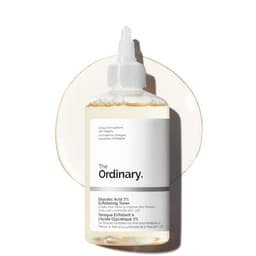
The Ordinary
Glycolic Acid 7% Exfoliating Toner
The bottle the trend is built on: a stated 7% glycolic acid, 240 ml, a few dollars. If you are going to try this at all, this is the one to try it with — the strength is moderate, the price makes a wasted bottle painless, and the size is enough for both underarms for months.
See it ranked in fullPrice as of September 19, 2026. #ad How we’re funded
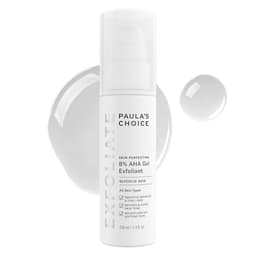
Paula's Choice
Skin Perfecting 8% AHA Gel Exfoliant
The fragrance-free, leave-on gel alternative at a stated 8% and a working pH. Costs more per use than the toner, but if the toner's aloe-and-ginseng base or your deodorant on top irritates you, a plainer gel is the next thing to try.
See it ranked in fullPrice as of September 19, 2026. #ad How we’re funded
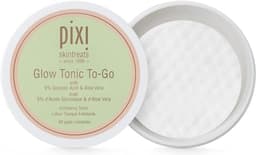
Pixi
Glow Tonic to-Go (5% Glycolic Acid Pads)
The low-strength, pre-soaked version: 5% glycolic on a pad, which is the tidiest format for a spot you cannot see and cannot pour onto neatly. Fragranced, so not for anyone whose underarm skin already reacts to deodorant.
See it ranked in fullFrequently asked questions
Does glycolic acid work as a deodorant?
It might reduce odor for some people, and it definitely does nothing about sweat. The plausible mechanism is that an acid lowers the skin's surface pH, and the bacteria that turn sweat into odor prefer a less acidic environment. We searched the peer-reviewed literature for a clinical trial of glycolic acid on underarm odor and did not find one, so treat this as an unproven, low-cost experiment rather than an established use. If wetness is your problem, only an antiperspirant addresses it.
Does glycolic acid lighten dark armpits?
It can help the kind of underarm darkening that is thickened, rough skin and post-inflammatory pigment from shaving and friction, because an AHA loosens the dead-cell layer and speeds turnover of pigmented cells — the same reason it is used on body skin for keratosis pilaris. Expect gradual change over months, not weeks. It will not lighten skin that is simply your skin tone, and darkening that appears suddenly or with velvety thickening should be looked at by a doctor rather than exfoliated.
How often should I use glycolic acid on my armpits?
Start at two nights a week, at bedtime, on clean dry skin, and never on the day you shave. Build to every other night only if there is no stinging, redness or itching. Underarm skin is thin, folded, sweaty and usually shaved — every one of those raises irritation risk — so it does not get the daily use that legs can take.
Can I use glycolic acid and deodorant together?
Yes, separated by time: the acid at night, deodorant or antiperspirant in the morning after a rinse. Do not apply them back to back. Layering an acid under an aluminum antiperspirant on the same skin at the same moment is the setup most likely to sting, and if your underarms are already irritated by a deodorant, fix that before adding an acid.
Is glycolic acid safe to use under the arms?
At 7-8%, two or three nights a week, on intact skin, for most people — yes, with the same cautions as anywhere else. Not on freshly shaved, waxed, broken or already-irritated skin; not on the same night as a retinoid or another acid; stop if it burns rather than tingles. People with darker skin tones should be especially careful, because irritation in the underarm is a common way to create the very darkening they were trying to fade.
Why do my armpits sting when I use glycolic acid?
Usually because you shaved that day, applied it to damp skin, or are using it too often. A brief mild tingle on intact skin is normal; a lasting burn is not. Rinse it off, give the skin several days with nothing but a plain moisturizer, and restart at once a week on a non-shave night. If it stings every time, this trick is not for your skin, and there is no version of pushing through it that ends well.
Sources
- U.S. FDA — Alpha Hydroxy Acids — FDA on AHAs and increased sun sensitivity (accessed July 17, 2026)
- American Academy of Dermatology — Keratosis pilaris: Diagnosis and treatment — AAD on exfoliating with AHA, glycolic, lactic, salicylic acid, retinoids and urea for KP (accessed August 19, 2026)
- American Academy of Dermatology — Skin care basics — AAD consumer guidance on cleansing, moisturizing and sun protection (accessed July 17, 2026)
- Chemical Peels for Skin Resurfacing — StatPearls (NCBI Bookshelf) — Reference overview of AHA/BHA exfoliation mechanisms (accessed July 17, 2026)
Keep reading
Best glycolic acid products
The 7% toner and its rivals ranked for the job they were actually designed for — the face.
See the picksHow to use glycolic acid
Frequency, application and the sunscreen rule, for the face and everywhere else.
Read the guideChemical exfoliants for ingrown hairs
The same acids on the bikini line, legs and beard — the body use with actual evidence behind it.
Read the guideGlycolic acid for keratosis pilaris
Glycolic acid on upper arms and thighs — a body-skin routine with the dermatology guidance behind it.
Read the guideSigns of over-exfoliation
What a barrier past its limit looks like — the same warning signs apply under the arm.
Read the guideBest actives for dark spots
The pigment-fading actives ranked, if darkened underarms are your actual complaint.
See the picks