Actives & Acids

Best Retinol Body Lotion

Body skin is ten times the area of your face and nobody prints a strength on the bottle. Five retinol body lotions ranked on what you can actually verify: cost per milliliter, what the brand discloses, and what is holding the retinol.

By Stephen V.Last updated How we pick

Buy Gold Bond Age Renew Retinol Overnight Body & Face Lotion. It is fragrance-free, it puts niacinamide seventh on its own ingredient list, and it comes in a 13 oz bottle for drugstore money — which is the number that decides whether a body retinoid gets used on both arms twice a week or gets rationed onto one patch of one forearm until it expires. If you want a brand that will actually tell you the strength, there is exactly one: Nécessaire The Body Retinol publishes 0.1% encapsulated retinol, and charges accordingly for a 150 mL bottle.

Here is the thing to understand before you spend anything. Four of the five lotions below publish no retinol percentage at all, and that is not us failing to find it — it is the state of the category. So this page does not rank on strength, because strength is not knowable for most of these. It ranks on the four things you can verify from a published ingredient list: how much product your money buys, whether the brand discloses anything, what is in the base holding the retinol up, and whether there is fragrance or a second active in the bottle. We own no units and have tested nothing; every fact below is read from the brand’s own page on the date in the Sources block.

How this is funded: we earn a commission if you buy through our links, at no extra cost to you. It never changes which product we recommend, and we’ll tell you when we’d skip one. Full disclosure.

Quick picks

Ranked on formulation, stated concentration and buyer fit. Select a row to jump to the full write-up. We have not tested these products — here is exactly what we do instead.

#ProductBest forPrice
1
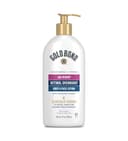
Gold Bond Age Renew Retinol Overnight Body & Face Lotion

Gold Bond Age Renew Retinol Overnight Body & Face Lotion

The one that gets the body arithmetic right: a 13 oz bottle for drugstore money, fragrance-free, with niacinamide sitting high in the formula and a humectant-and-ceramide base underneath the retinol. Nobody publishes a strength in this category, so the sensible thing to optimize is how much you can afford to use.

Best overall
$16.97 · View on Amazon

Price as of October 10, 2026. #ad How we’re funded

2
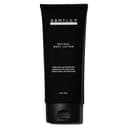
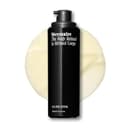
Nécessaire The Body Retinol (0.1% retinol)

Nécessaire The Body Retinol (0.1% retinol)

The only body retinol on this page that publishes its strength — 0.1% encapsulated retinol — and the most ambitious formula of the five, with peptides, niacinamide, glycolic and mandelic acid in the same bottle. It also costs several times more per milliliter than anything else here, and the acids make it the wrong first bottle.

Best published strength
$65.00 · View on Amazon

Price as of October 10, 2026. #ad How we’re funded

3
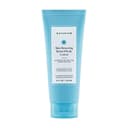
Naturium Skin-Renewing Retinol Body Lotion

Naturium Skin-Renewing Retinol Body Lotion

The middle of the market done properly: encapsulated retinol, fragrance-free, with allantoin, phospholipids, safflower oil and shea doing the comforting, in a 234 mL bottle at a price that does not punish you for using it on both arms. No strength published, which is the trade.

Best mid-price formula
$25.99 · View on Amazon

Price as of October 10, 2026. #ad How we’re funded

4
DRMTLGY Retinol Body Lotion

DRMTLGY Retinol Body Lotion

The formula to pick if your body skin is reactive rather than just dry: ceramide NP, centella asiatica, darutoside, panthenol and allantoin around the retinol, fragrance-free, with no second active fighting for attention. It is also the smallest bottle here at 6 oz, which makes it the dearest per milliliter after the Nécessaire.

Best for reactive skin
$36.00 · View on Amazon

Price as of October 10, 2026. #ad How we’re funded

5
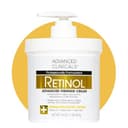
Advanced Clinicals Retinol Body Cream

Advanced Clinicals Retinol Body Cream

The cheapest way to put retinol on a lot of skin: 16 oz for drugstore money, which works out at a fraction of a cent per milliliter against anything else on this page. The base is mineral oil, so it is heavy, occlusive and unmistakably old-fashioned — and for dry legs in winter that is a feature rather than a fault.

Best value for large dry areas
$17.99 · View on Amazon

Price as of October 10, 2026. #ad How we’re funded

The picks in full

#1Best overall

Gold Bond Age Renew Retinol Overnight Body & Face Lotion

The one that gets the body arithmetic right: a 13 oz bottle for drugstore money, fragrance-free, with niacinamide sitting high in the formula and a humectant-and-ceramide base underneath the retinol. Nobody publishes a strength in this category, so the sensible thing to optimize is how much you can afford to use.

Strengths

  • By far the most product per dollar here, which is the constraint that actually decides whether a body retinoid gets used
  • Niacinamide is fourth on the ingredient list — the one retinol partner with real published support for the barrier
  • The brand states plainly that it is fragrance-free, and backs it with a short-chain humectant (hydroxyethyl urea) and ceramide NG

Trade-offs

  • No retinol percentage published, and the retinol sits well down the list, after the shea, squalene and phytosterols
  • Contains caramel as a colorant and propylene glycol, neither of which a minimalist formula would bother with
  • It is sold as a face-and-body lotion, which means it is formulated for the easier of the two jobs
Key activeRetinol + niacinamide + palmitoyl hexapeptide-12
Stated concentrationNot published
FormatLight body lotion
Fragrance-freeYes
Best forNormal, Dry, Mature

Formulation note. Read from Gold Bond's own product page: water, hydroxyethyl urea and shea butter extract lead, then niacinamide, with squalene, phytosterols, tocopherol and retinol following, and ceramide NG, panthenol and palmitoyl hexapeptide-12 further down. The brand's own line is "Yes, it's fragrance-free". Hydroxyethyl urea is the quiet standout — a humectant chosen for dry body skin rather than a face-cream ingredient borrowed for the job.

Ingredients and claims read from the product listing, on October 10, 2026. “Not published” means the brand does not state that figure.

#2Best published strength

Nécessaire The Body Retinol (0.1% retinol)

The only body retinol on this page that publishes its strength — 0.1% encapsulated retinol — and the most ambitious formula of the five, with peptides, niacinamide, glycolic and mandelic acid in the same bottle. It also costs several times more per milliliter than anything else here, and the acids make it the wrong first bottle.

Strengths

  • States 0.1% encapsulated retinol, where the other four brands publish nothing at all
  • Four peptides plus niacinamide and tetrahexyldecyl ascorbate — the deepest supporting formula here by a distance
  • The brand publishes its own four-week consumer panel results rather than leaving the claims unsourced

Trade-offs

  • The most expensive per milliliter on this page by a wide margin, in the smallest bottle — 150 mL does not cover much body
  • Glycolic and mandelic acid are in the formula alongside the retinol, so this is two actives at once, not one
  • The brand claims fragrance-free, but citronellol and geraniol close the ingredient list — both declarable fragrance allergens, here via rose flower water
  • The published figures are a 30-plus-panelist self-report over four weeks, not a measured clinical endpoint
Key active0.1% encapsulated retinol + peptides + niacinamide
Stated concentration0.1% (encapsulated retinol)
FormatLightweight body lotion
Fragrance-freeYes
Best forNormal, Mature, Not-too-sensitive

Formulation note. From the brand's own page: 0.1% pure encapsulated retinol, with glycolic acid, mandelic acid, niacinamide, palmitoyl tripeptide-1, palmitoyl tripeptide-5, palmitoyl hexapeptide-12, tocopherol, tetrahexyldecyl ascorbate and sodium hyaluronate. The cellulose acetate butyrate and silica high in the list are the encapsulation system. Citronellol and geraniol appear last — the brand's fragrance-free claim and those two entries are both true at once, because they arrive with the rose water rather than as added perfume, but reactive skin should know they are there.

Ingredients and claims read from the product listing, on October 10, 2026. “Not published” means the brand does not state that figure.

#3Best mid-price formula

Naturium Skin-Renewing Retinol Body Lotion

The middle of the market done properly: encapsulated retinol, fragrance-free, with allantoin, phospholipids, safflower oil and shea doing the comforting, in a 234 mL bottle at a price that does not punish you for using it on both arms. No strength published, which is the trade.

Strengths

  • Encapsulated retinol in a genuinely moisturizing base — safflower seed oil, shea butter, phospholipids and sodium hyaluronate
  • Fragrance-free, and allantoin is in the formula specifically as a soother rather than as marketing
  • The brand's directions tell you to cut back if you get redness, which is the right instruction and a rare one

Trade-offs

  • No retinol percentage published — "encapsulated stabilized pure retinol complex" is a description, not a dose
  • Isopropyl palmitate sits second on the list, which is a richer, more occlusive finish than oily skin or an acne-prone back will want
  • Costs noticeably more per milliliter than the two drugstore options for a formula that discloses no more than they do
Key activeRetinol (encapsulated)
Stated concentrationNot published
FormatRich body lotion
Fragrance-freeYes
Best forNormal, Dry, Mature

Formulation note. Read from Naturium's own page: water, isopropyl palmitate, safflower seed oil, glycerin, cetyl alcohol, dimethicone, cetearyl olivate and shea butter lead, with allantoin then retinol following, plus linoleic acid, phospholipids, phytosterols and sodium hyaluronate. Listed as fragrance free. The cellulose acetate butyrate and silica are the encapsulation shell, which is also why the retinol's position in the list tells you less here than it would in a plain formula.

Ingredients and claims read from the product listing, on October 10, 2026. “Not published” means the brand does not state that figure.

#4Best for reactive skin

DRMTLGY Retinol Body Lotion

The formula to pick if your body skin is reactive rather than just dry: ceramide NP, centella asiatica, darutoside, panthenol and allantoin around the retinol, fragrance-free, with no second active fighting for attention. It is also the smallest bottle here at 6 oz, which makes it the dearest per milliliter after the Nécessaire.

Strengths

  • Ceramide NP plus centella asiatica and darutoside — a soothing-and-barrier set, not a token pinch of extract
  • Fragrance-free, and the only pick here whose brand publishes a straight "do not use if pregnant or breastfeeding" warning
  • No acids, no second active: the retinol is the only thing asking anything of your skin

Trade-offs

  • No retinol percentage published anywhere on the brand's page
  • 6 oz is a small bottle for body use, and the price per milliliter reflects that
  • The brand's directions permit twice-daily use, which is more than we would recommend for any retinoid
Key activeRetinol + ceramide NP + centella
Stated concentrationNot published
FormatCushioning body lotion
Fragrance-freeYes
Best forSensitive, Reactive, Normal

Formulation note. Read from DRMTLGY's own page: water, cetearyl ethylhexanoate, glycerin, cetearyl olivate, glyceryl stearate and cetearyl alcohol lead, then caffeine, dimethicone and retinol, followed by darutoside, centella asiatica extract, ceramide NP, rosehip oil, tocopherol, shea butter, allantoin and panthenol. Carries a fragrance-free badge. Darutoside and centella are the ingredients doing the work that makes this the reactive-skin pick.

Ingredients and claims read from the product listing, on October 10, 2026. “Not published” means the brand does not state that figure.

#5Best value for large dry areas

Advanced Clinicals Retinol Body Cream

The cheapest way to put retinol on a lot of skin: 16 oz for drugstore money, which works out at a fraction of a cent per milliliter against anything else on this page. The base is mineral oil, so it is heavy, occlusive and unmistakably old-fashioned — and for dry legs in winter that is a feature rather than a fault.

Strengths

  • 16 oz in one tub — the lowest cost per milliliter here by a wide margin
  • Mineral oil and isopropyl myristate make a genuinely occlusive base, which suits dry shins and upper arms
  • The brand states "No Added Fragrances. Dermatology & Allergy tested."

Trade-offs

  • No retinol percentage published, and retinol sits tenth on the list behind a long run of base ingredients
  • A mineral-oil-and-isopropyl-myristate base is the wrong texture for a chest or back that breaks out
  • Preserved with iodopropynyl butylcarbamate, a documented contact allergen for a minority of people
  • "No added fragrance" is the brand's phrasing, which is a weaker statement than a fragrance-free claim
Key activeRetinol
Stated concentrationNot published
FormatRich occlusive cream
Fragrance-freeYes
Best forDry, Very dry, Normal

Formulation note. Read from the brand's own page: water, mineral oil, cetearyl alcohol, glyceryl stearate SE, isopropyl myristate, glycerin, butylene glycol, ceteareth-20 and caprylic/capric triglyceride come before the retinol, with aloe, green tea and chamomile extracts after it. The brand's directions say to use it at night and to "avoid combining with Benzoyl Peroxide or Vitamin C". There is no humectant beyond glycerin and butylene glycol and no ceramide — this is an occlusive, not a treatment base.

Ingredients and claims read from the product listing, on October 10, 2026. “Not published” means the brand does not state that figure.

How we ranked these

1. Cost per milliliter, because the body is not a face

This is the criterion that reorders the whole category, and almost no roundup leads with it. A pea of serum covers a face. Two upper arms, two thighs, two shins and a chest is somewhere between ten and twenty times that area, every single application. A 30 mL face serum used on the body is three applications and an empty bottle.

So the first question is not “which formula is best” but “which formula can you afford to apply properly, twice a week, for the several months a retinoid needs before anything shows”. On that test the order is clear. The Advanced Clinicals tub is 473 mL and the Gold Bond bottle 384 mL, both for drugstore prices. The Naturium is 234 mL at a mid-market price. The DRMTLGY is 177 mL and the Nécessaire150 mL, both priced like face products. There is nothing wrong with the two small bottles — but they are spot treatments for a decolletage or the backs of the hands, and pretending otherwise is how people conclude that body retinol “does not work”. It did not get used.

2. Whether the brand discloses anything at all

One brand out of five publishes a number. Nécessaire states 0.1% pure encapsulated retinol on its own product page, and that disclosure is the entire reason it ranks second rather than fourth. For context, 0.1% is a real but modest dose — our retinol serum roundup covers face products at 0.2%, 0.5% and 1%, and the reasons to stay low on the body are different from the reasons to stay low on the face.

The other four publish nothing. Gold Bond, Naturium, DRMTLGY and Advanced Clinicals all list retinol in the ingredients and none of them says how much. We treat that silence the way we treat it everywhere else on this site: it goes in the spec table as Not published, which is a finding about the brand rather than a gap in our research. It also means the marketing phrases are doing work the data does not support. “Encapsulated stabilized pure retinol complex” is a delivery description. “Non-irritating retinol” is a positioning statement. Neither is a dose.

3. What the retinol is sitting in

Body skin on the arms and shins is drier and thicker than facial skin and has fewer oil glands to work with, so the base matters more here than it does in a face serum. It can also work against you: an occlusive mineral-oil cream is right for winter shins and wrong for a chest or back that breaks out.

Three of the five earn real credit on the base. Gold Bond runs hydroxyethyl urea as its second ingredient — a humectant picked for dry body skin rather than a face-cream ingredient borrowed for the job — plus niacinamide, ceramide NG, panthenol and a peptide. Naturium builds on safflower seed oil, shea butter, phospholipids and sodium hyaluronate, with allantoin in there specifically as a soother. DRMTLGY is the one with a genuine calming set: ceramide NP, centella asiatica and darutoside. The Advanced Clinicals base is mineral oil and isopropyl myristate with no ceramide and no humectant beyond glycerin — honest, effective occlusion, and unmistakably the oldest formula here.

4. Fragrance, and second actives you did not ask for

Four of the five carry an explicit fragrance-free statement from the brand. Advanced Clinicals uses the weaker phrasing “No Added Fragrances”, which is a different claim, and we have recorded it as such.

The Nécessaire deserves its own paragraph here, because two things about it are true at the same time. The brand describes it as fragrance-free, and the ingredient list ends with citronellol and geraniol — two declarable fragrance allergens, arriving with the rose flower water rather than as added perfume. That is not a gotcha; it is a thing reactive skin should know before spending premium money. The same bottle also contains glycolic acid and mandelic acid alongside the retinol, which makes it a two-active product. If you have never used a retinoid on your body, starting with a retinoid and an AHA together is the most reliable way to end up with a red, stinging decolletage and no idea which ingredient did it. The honest sequence is in how to layer actives.

5. What we did not reward

Three things that dominate the marketing in this category earned nothing in this ranking. “Crepe corrector” and “firming” claims, because crepey skin is a structural change in dermal collagen and elastin and no lotion reverses it — retinoids can gradually improve the look of it, which is a different and smaller promise. Before-and-after photographs, which are lit, posed and unverifiable. And consumer-perception panels: the Nécessaire numbers (85% reported more even texture, 85% less crepiness) are self-reports from 30-odd people over four weeks, not measured endpoints, and we say so on the card rather than quoting them as results.

We also did not reward the marketplace titles. More than one listing in this category advertises a percentage, a “5.5” or a crepe claim that the brand’s own site does not state. Where the two disagreed, the brand’s page won and the spec table says Not published.

Where body retinol actually helps

Set expectations before you buy, because this is where most disappointment comes from. The evidence base for retinoids is built on facial photoaging: topical retinol improves fine lines, roughness and uneven tone over months of consistent use, and that is the effect you are importing to the body. On arms, chest and legs, the realistic targets are rough texture, dullness, crepey-looking thin skin and uneven tone — gradually, and only while you keep using it.

Three things it will not do. It will not tighten loose skin after significant weight loss; that is structural. It will not remove stretch marks, despite several listings in this category implying otherwise — established, silvery striae do not respond to an over-the-counter lotion. And it will not work on a two-week timeline. The AAD’s own framing for retinoids is months, not weeks, and body skin is slower than facial skin, not faster. Our how long retinol takes to work page sets out the timeline in detail; add to it for the body.

For bumpy upper arms specifically, a retinoid is not the first tool. Keratosis pilaris responds better to a chemical exfoliant, and the picks for that are on glycolic acid for keratosis pilaris. Using an acid on your arms and a retinoid on your arms on the same night is how you turn two reasonable products into one irritated arm.

How to start, without wrecking your chest

The chest and neck are the parts of the body most people want to treat and the parts least able to take it: thinner skin than the arms, more sun exposure than almost anywhere, and a texture that shows irritation immediately. Treat them as cautiously as you would treat your face, not as cautiously as you would treat your shins.

A sane protocol. Patch test on one inner forearm for a few nights — how to patch test covers the method. Then apply twice a week, at night, to dry skin, one area at a time, and move up to every other night only if nothing has pinked up after a fortnight. Moisturize over the top if the lotion is a light one. Every brand on this page tells you to use sunscreen, and three of them put it in the directions: retinoids make skin more vulnerable to UV, and the arms and chest are exactly where you forget. Our picks are on best sunscreen for retinol users.

Do not use it on broken, shaved-raw or sunburned skin, and give freshly shaved legs a night off. Stop and let things settle if you see the tells on retinol side effects — peeling, tightness or stinging that lasts past the hour. And if you are pregnant or breastfeeding, do not use any of these: DRMTLGY puts that warning on its own page, the others do not, and the standing advice on topical retinoids applies regardless of which bottle you bought.

Can you just use your face retinol on your body?

Chemically, yes — retinol is retinol, and a face cream applied to your neck does the same thing it does to your jaw. Practically, no, for one reason: volume. A 30 mL face serum at face-serum prices is an expensive way to cover two arms once. If you already own a face retinoid you like and want to extend it to the neck and chest only, that is a perfectly sensible plan and you do not need a second product — the retinol creams are the better shape for it than the serums. For anything below the collarbone, buy for volume.

The reverse move — using a body lotion on your face — is less advisable. The Gold Bond here is explicitly sold as a face-and-body lotion, so it is designed for it. The Advanced Clinicals mineral-oil base is not what most faces want, and the Nécessaire carries acids at body strength. If your face is the priority, start at best retinol for beginners instead.
Frequently asked questions

What is the best retinol body lotion?

Gold Bond Age Renew Retinol Overnight Body & Face Lotion, for most people. It is fragrance-free, it carries niacinamide, ceramide NG, panthenol and a peptide alongside the retinol, and the 13 oz bottle costs drugstore money — which matters more than it sounds, because body retinol only works if you can afford to use enough of it over a large area for months. If you specifically want a brand that publishes its strength, Necessaire The Body Retinol states 0.1% encapsulated retinol, at several times the price per milliliter.

Why does no body lotion say how much retinol it contains?

Because US cosmetic labeling does not require it, and most brands choose not to. Of the five lotions on this page, one publishes a figure and four do not. We record the missing ones as Not published rather than guessing, and it is worth reading phrases like 'encapsulated stabilized pure retinol complex' or 'non-irritating retinol' for what they are: descriptions of delivery or positioning, not doses.

Does retinol work on crepey skin?

Partly, slowly, and only while you keep using it. Crepey skin is thinned skin with degraded collagen and elastin, and no topical reverses that structurally. What retinoids have evidence for is gradually improving fine lines, roughness and uneven tone, which makes crepey skin look better without making it structurally younger. Expect months rather than weeks, and expect less on the body than the face. Anything promising to 'correct' crepe is overselling.

Will a retinol body lotion get rid of stretch marks?

No. Established, silvery stretch marks do not respond to an over-the-counter retinol lotion, whatever the listing implies. There is some evidence for prescription-strength tretinoin on new, still-red striae, which is a conversation with a dermatologist rather than a purchase. If stretch marks are your main concern, do not buy any of these expecting to clear them.

Can I use retinol on my chest and neck?

Yes, and it is the area most people buy a body retinoid for — but treat it like your face rather than like your shins. The skin is thinner, it gets far more sun, and it shows irritation fast. Start twice a week at night, moisturize over the top, and wear sunscreen there daily. If you already own a face retinol you tolerate, using it on the neck and chest is a reasonable alternative to buying a second bottle.

Do I need sunscreen on my body if I use a retinol lotion?

On any exposed skin you are treating, yes. Retinoids leave skin more vulnerable to UV, and three of the five brands here put sunscreen in their own directions — Naturium's reads 'Wear sunscreen during the day' and DRMTLGY's asks for broad spectrum SPF 30 or higher. Arms and chest are the places people forget, which is also where the damage they are trying to treat came from.

Can I use a body retinol on keratosis pilaris?

It is not the first choice. Those rough bumps on the upper arms respond better to a chemical exfoliant that clears the plug, and our glycolic acid for keratosis pilaris page ranks those. A retinoid can help with the surrounding texture over time, but do not use an acid and a retinoid on the same arm on the same night while you are starting out.

Is it safe to use retinol on your body during pregnancy?

No — treat all topical retinoids as off-limits while pregnant or breastfeeding. DRMTLGY states that warning plainly on its own product page; the other four brands on this page do not, which is a labeling difference rather than a safety difference. If you want an active for body texture during pregnancy, that is a question for your doctor or a dermatologist, not for a product page.

Sources

  • Gold Bond — Age Renew Retinol Overnight Body & Face Lotion (official product page) — The brand's own listing: sold as a 7 oz tube and a 13 oz bottle, with NO retinol percentage published anywhere on the page. The ingredient list runs water, hydroxyethyl urea, shea butter extract, dimethicone, glycerin, stearyl alcohol, niacinamide, selaginella lepidophylla extract, steareth-21, glyceryl stearate, cetyl alcohol, jojoba esters, jojoba/macadamia esters, squalene, phytosteryl macadamiate, phytosterols, tocopherol, retinol, cetearyl alcohol, caprylic/capric triglyceride, sodium ascorbate, palmitoyl hexapeptide-12, polysorbate 60, watermelon, apple and lentil fruit extracts, sodium lactate, sodium PCA, propylene glycol, hydroxyacetophenone, cocoa seed butter, behentrimonium methosulfate, stearamidopropyl PG-dimonium chloride phosphate, butylene glycol, polyacrylate crosspolymer-6, ethylhexylglycerin, guar hydroxypropyltrimonium chloride, panthenol, disodium EDTA, citric acid, C12-15 alkyl benzoate, tribehenin, ceramide NG, PEG-10 phytosterol and caramel. The brand states the formula is fragrance-free: "Yes, it's fragrance-free. So, you'll know it's there, but nobody else will." Niacinamide is seventh and retinol eighteenth (accessed October 10, 2026)
  • Nécessaire — The Body Retinol (official product page) — The brand's own listing, and the only body retinol in this category we found that publishes a figure: "0.1% Pure Encapsulated Retinol", in a 150 ml / 5.1 fl oz bottle, described as fragrance-free. The ingredient list carries glycolic acid and mandelic acid alongside the retinol, plus niacinamide, palmitoyl tripeptide-1, palmitoyl tripeptide-5, palmitoyl hexapeptide-12, a Nicotiana benthamiana hexapeptide, tocopherol, tetrahexyldecyl ascorbate, sea buckthorn seed oil and sodium hyaluronate — and ends with citronellol and geraniol, two declarable fragrance allergens that arrive with the Rosa damascena flower water. Directions: "Use at night. Apply to areas where treatment is needed. Apply to clean skin." The brand's published results are a consumer self-report panel — 30-plus panelists over four weeks, third-party verified — reporting 85% more even skin texture, 85% less crepiness, 82% fewer lines, 82% fewer wrinkles and 75% more even tone. Those are perception figures, not measured endpoints (accessed October 10, 2026)
  • Naturium — Skin-Renewing Retinol Body Lotion (official product page) — The brand's own listing: 8 FL OZ / 234 ML standard plus a 14 FL OZ / 414 ML jumbo, labeled "Fragrance Free", built on an "encapsulated stabilized pure retinol complex" with NO percentage published. Ingredients: water, isopropyl palmitate, safflower seed oil, glycerin, cetyl alcohol, dimethicone, cetearyl olivate, shea butter, sorbitan olivate, tridecyl stearate, neopentyl glycol dicaprylate/dicaprate, allantoin, retinol, cellulose acetate butyrate, linoleic acid, phospholipids, phytosterols, sodium hyaluronate, xanthan gum and the usual preservative and chelator set. Directions: "Apply a generous amount to body and massage until absorbed. If mild redness occurs, reduce frequency of use until skin adjusts. Wear sunscreen during the day. Patch test prior to use is advised." (accessed October 10, 2026)
  • DRMTLGY — Retinol Body Lotion (official product page) — The brand's own listing: a 6 oz bottle carrying a fragrance-free badge, described as "non-irritating retinol, formulated for the body" with NO percentage published. Ingredients: water, cetearyl ethylhexanoate, glycerin, cetearyl olivate, sorbitan olivate, glyceryl stearate, cetearyl alcohol, isododecane, caffeine, dimethicone, retinol, darutoside, centella asiatica extract, ceramide NP, rosa canina fruit oil, trideceth-6 phosphate, tocopherol, shea butter, sunflower extract, rosemary leaf extract, allantoin, panthenol and rice bran extract. Directions: "Massage into skin from your neck down, or use as a spot treatment on rough, dry, or dull areas. Can be used up to twice daily," with "Wear a broad spectrum SPF 30 or higher when using this lotion" for morning use, and the warning "Do not use if pregnant or breastfeeding" (accessed October 10, 2026)
  • Advanced Clinicals — Retinol Body Cream (official product page) — The brand's own listing for the 16 oz tub (also sold in 2 oz), with NO retinol percentage published. Ingredients: water, mineral oil, cetearyl alcohol, glyceryl stearate SE, isopropyl myristate, glycerin, butylene glycol, ceteareth-20, caprylic/capric triglyceride, retinol, aloe barbadensis leaf juice, camellia sinensis leaf extract, anthemis nobilis flower extract, acrylates/C10-30 alkyl acrylate crosspolymer, disodium EDTA, maltodextrin, phenoxyethanol, iodopropynyl butylcarbamate, caprylyl glycol and sodium hydroxide — so retinol is tenth, behind a mineral-oil occlusive base, and there is no ceramide and no humectant beyond glycerin and butylene glycol. The brand's claim wording is "No Added Fragrances. Dermatology & Allergy tested." Directions: "Apply to dry or damp skin, massaging until fully absorbed. Best if used at night time. Avoid combining with Benzoyl Peroxide or Vitamin C." (accessed October 10, 2026)
  • American Academy of Dermatology — Retinoid or retinol? — AAD on the difference between prescription retinoids and OTC retinol (accessed July 17, 2026)
  • Human Skin Aging and the Anti-Aging Properties of Retinol (PubMed) — Review of topical retinol's effect on collagen and photoaging (accessed July 17, 2026)
  • The use of retinoids in the treatment of photoaging (PubMed) — Clinical-trial evidence for topical retinoids in photoaging (accessed July 17, 2026)
  • American Academy of Dermatology — Dermatologists' top tips for relieving dry skin — AAD on moisturizing damp skin and choosing a cream for dry skin (accessed July 17, 2026)

Keep reading