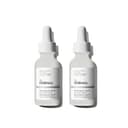
How vitamin C fades discoloration
Vitamin C tackles dark spots on two fronts. First, as an antioxidant, it neutralizes the free radicals generated by UV light and pollution — the same oxidative stress that pushes skin to overproduce pigment and that deepens the marks you already have. Second, L-ascorbic acid, the most researched form of vitamin C, helps interrupt tyrosinase, the key enzyme in the melanin-making chain. Less runaway melanin means existing spots slowly lighten and new ones form less readily. It won’t bleach skin or erase a mark overnight, but as a daily brightening and protective step, it does steady, cumulative work — which is exactly why dermatology reviews of topical vitamin C keep circling back to pigmentation and photoprotection as its strongest uses.
Why daily SPF is non-negotiable
Here is the part people skip, and it’s the part that decides whether any of this works: ultraviolet light is the single biggest driver of hyperpigmentation. Every unprotected day in the sun tells the exact spots you’re trying to fade to make morepigment, and it will outrun even a great vitamin C serum. Vitamin C and sunscreen are a team — the antioxidant helps mop up the damage that gets past your SPF, and the SPF stops fresh pigment from forming faster than the serum can fade it. If you are going to use vitamin C for dark spots and wear sunscreen only sometimes, save your money. A broad-spectrum SPF 30 or higher, every single morning, is the foundation the whole routine sits on. Our morning-or-night guide explains why AM vitamin C and daytime SPF work so well together.
Pairing vitamin C with azelaic acid and niacinamide
If your marks are stubborn, stacking actives that fade pigment through different mechanisms tends to beat pushing a single ingredient harder. Azelaic acidtargets overactive pigment-producing cells and has a calming, anti-redness character, which makes it a smart add-on for post-acne marks and blotchy tone — see our best azelaic acid picks for where to start. Niacinamideworks further along the chain, helping to slow the transfer of finished pigment up into the surface skin cells, and it doubles as a barrier-supporting ingredient that makes an active-heavy routine more comfortable. A practical split is vitamin C in the morning under sunscreen, and azelaic or niacinamide in the evening — though niacinamide is mild enough to sit alongside vitamin C in the same routine for most people. Introduce one new active at a time so you can tell what your skin is responding to; our layering guide maps out what pairs safely.
A realistic timeline
Fading is slow, and expecting fast results is the quickest way to give up too early. Most people should plan to give a vitamin C routine at least eight to twelve weeks of consistent daily use before judging it, and deeper or older marks can take longer still. Because skin turns over gradually and new pigment is always being made, progress shows up as spots getting fainter and tone getting more even, not as a mark vanishing on a set date. Consistency and sun protection matter far more than chasing the highest percentage on the label. Take a photo in the same light every few weeks rather than staring in the mirror daily — it’s much easier to see change over a month than over a morning.
When to see a dermatologist
Over-the-counter vitamin C, azelaic acid, and niacinamide are well suited to general dark spots and post-acne marks, but some discoloration needs professional input. Melasma— the larger, symmetrical patches that often appear on the cheeks, forehead, and upper lip, and that are frequently tied to hormones and sun — is notoriously stubborn and prone to bouncing back, so it’s worth a dermatologist’s guidance rather than a solo trial-and-error approach. The same goes for any spot that is changing in size, shape, or color, is raised or itchy, or simply looks different from your other marks: that is a reason to get it checked, not to treat it with a brightening serum. When in doubt, a professional assessment is the safe call. For more on the concern itself, see our dark spots & hyperpigmentation overview.