How to choose a glycolic acid
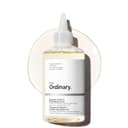
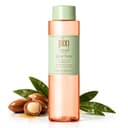
Work from your tolerance, not the biggest percentage on the shelf. If glycolic is new to you, a low-strength tonic(around 5%) used a few nights a week lets you feel out how your skin responds with little risk. A mid-strength toner near 7% is a solid all-round step up, while a leave-on gel around 8% delivers more resurfacing for skin that’s already comfortable with acids. Format matters as much as the number: a rinse-off tonic is more forgiving than a leave-on that sits on skin all night, and a weekly high-strength peel is a targeted treatment, not an everyday product. If glycolic consistently stings, lactic acid is a larger, gentler AHA that resurfaces more slowly and hydrates as it goes.
Cost-per-mL and how long a bottle lasts
Because you apply glycolic in small amounts a few nights a week, compare cost by the milliliter and by how long the bottle realistically lasts. A budget toner can run a few cents per use and still stretch for months, so “affordable” and “effective” often overlap here. A weekly peel is used so sparingly that even a small bottle lasts a very long time. Spending more rarely buys better resurfacing — consistent, correctly-dosed use does. Our top pick gets a full label-by-label read in The Ordinary Glycolic Acid 7% Toner review, including where a 7% at pH 3.6 sits against the US, EU and Australian limits for a leave-on AHA, and why “toner” on the bottle describes the texture rather than the strength.
Using glycolic safely
Apply at night to clean, dry skin, starting two or three times a week, and follow with moisturizer. A brief tingle is normal; lingering burning or shiny, tight patches mean you’ve overdone it, so scale back frequency or strength. Glycolic makes skin noticeably more sun-sensitive, so daily sunscreen is non-negotiable. Don’t layer it with retinol or another acid on the same night while you’re building tolerance — our layering guide covers what to keep apart.
Glycolic acid or a retinoid?
A fair question before you spend anything: glycolic acid works on the surface and shows results in weeks, while retinol works deeper and is measured over months. They are not rivals and most people end up running both on alternating nights. Retinol vs glycolic acid compares them row by row, including the published use band that exists for AHAs and not for retinol.