Actives & Acids

Best Retinol Alternatives

Five actives that do part of what retinol does, ranked by how much published evidence sits behind each molecule — and an honest account of what you give up by switching.

By Stephen V.Last updated How we pick

If retinol is out and you want the alternative with the most published evidence behind the molecule, buy The Ordinary Azelaic Acid Suspension 10%. It is the only active on this page whose ingredient carries prescription-strength approvals, it publishes its percentage, and it is usually tolerated by skin that reacts to everything else. If cost per use is what decides it, the budget pick is The Ordinary Glycolic Acid 7% Exfoliating Toner — a published 7% in a 240 mL bottle, which makes it the cheapest real active on this site per application.

Now the part a page like this usually leaves out. None of these is a substitute for retinol at retinol’s own job. Retinoids have the deepest evidence base of any topical for photoaging — the AAD treats them as a first-line anti-aging treatment, and the published trials run on fine lines, tone and collagen over months. What follows are actives that do partof that work, or do a different job you may want more. Pick by which part matters to you: the red mark left behind, the dull surface, the roughness, the oil. Every price below is live and dated, every percentage is read from a published label, and we own no units — our method is how we pick.

How this is funded: we earn a commission if you buy through our links, at no extra cost to you. It never changes which product we recommend, and we’ll tell you when we’d skip one. Full disclosure.

Quick picks

Ranked on formulation, stated concentration and buyer fit. Select a row to jump to the full write-up. We have not tested these products — here is exactly what we do instead.

#ProductBest forPrice
1
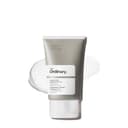
The Ordinary Azelaic Acid Suspension 10%

The Ordinary Azelaic Acid Suspension 10%

A multitasker with real evidence behind it for redness, bumps and post-acne marks — and one of the rare actives usually safe for rosacea-prone skin. A labeled 10%, for a handful of dollars.

Best overall alternative
$12.20 · View on Amazon

Price as of November 20, 2026. #ad How we’re funded

2
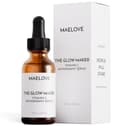
Maelove Glow Maker Vitamin C Serum

Maelove Glow Maker Vitamin C Serum

Builds on the one antioxidant trio with real research support — L-ascorbic acid alongside vitamin E and ferulic acid — for a sliver of the price of the prestige serum it mimics. Reach for it when you want the studied formulation.

Best for tone and sun damage
$33.24 · View on Amazon

$39.9017% off

Price as of November 20, 2026. #ad How we’re funded

3
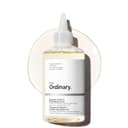
The Ordinary Glycolic Acid 7% Exfoliating Toner

The Ordinary Glycolic Acid 7% Exfoliating Toner

A cult-favorite budget AHA toner — a labeled 7% glycolic for surface smoothing and glow. It's strong for something called a toner; this is a genuine exfoliant, so treat it as one and skip nightly use at the start.

Best for texture, and best value
$13.50 · View on Amazon

Price as of November 20, 2026. #ad How we’re funded

4
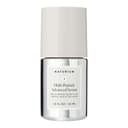
Naturium Multi-Peptide Advanced Serum

Naturium Multi-Peptide Advanced Serum

A peptide serum that brings a second, better-evidenced ingredient along: ferulic acid is a known antioxidant, so even if the peptides underdeliver you are not paying for peptides alone.

Best for no irritation at all
$24.88 · View on Amazon

Price as of November 20, 2026. #ad How we’re funded

5
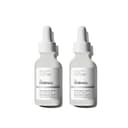
The Ordinary Niacinamide 10% + Zinc 1%

The Ordinary Niacinamide 10% + Zinc 1%

The go-to niacinamide serum, and not by accident — a labeled 10% with zinc for a couple of bucks. Just know that 10% sits above the 4-5% most research uses, so sensitive skin might do better with less.

Best supporting active
$12.00 · View on Amazon

Price as of November 20, 2026. #ad How we’re funded

The picks in full

#1Best overall alternative

The Ordinary Azelaic Acid Suspension 10%

A multitasker with real evidence behind it for redness, bumps and post-acne marks — and one of the rare actives usually safe for rosacea-prone skin. A labeled 10%, for a handful of dollars.

Strengths

  • A disclosed 10% azelaic acid with solid evidence for redness and pigmentation
  • Usually well-tolerated by rosacea-prone skin
  • Layers comfortably with most other actives

Trade-offs

  • The silicone suspension has a distinctive, faintly grainy feel
  • Overapply it and it can pill beneath some sunscreens
Key activeAzelaic acid
Stated concentration10%
FormatSilicone cream-gel
Fragrance-freeYes
Best forRosacea-prone, Blemish-prone, Sensitive

Formulation note. 10% azelaic acid. The evidence backs it for rosacea redness, mild acne and pigmentation, and it's mild enough for reactive skin — an unusually versatile, well-tolerated active.

Ingredients and claims read from the product listing, on July 18, 2026. “Not published” means the brand does not state that figure.

#2Best for tone and sun damage

Maelove Glow Maker Vitamin C Serum

Builds on the one antioxidant trio with real research support — L-ascorbic acid alongside vitamin E and ferulic acid — for a sliver of the price of the prestige serum it mimics. Reach for it when you want the studied formulation.

Strengths

  • L-ascorbic acid, vitamin E and ferulic acid — the antioxidant combination the studies actually looked at
  • Lightweight and free of fragrance
  • A fraction of the cost of the high-end serum it's patterned after

Trade-offs

  • L-ascorbic acid degrades with time, so buy it fresh, keep it cool and toss it once it browns
  • It may prickle at first while skin gets used to it
Key activeL-ascorbic acid (vitamin C)
Stated concentration15%
FormatLightweight fluid
Fragrance-freeYes
Best forNormal, Combination, Dull skin

Formulation note. 15% L-ascorbic acid with vitamin E and ferulic acid — the mix the dermatology literature credits with steadying vitamin C and improving sun protection. This is the version worth seeking out.

Ingredients and claims read from the product listing, on July 18, 2026. “Not published” means the brand does not state that figure.

#3Best for texture, and best value

The Ordinary Glycolic Acid 7% Exfoliating Toner

A cult-favorite budget AHA toner — a labeled 7% glycolic for surface smoothing and glow. It's strong for something called a toner; this is a genuine exfoliant, so treat it as one and skip nightly use at the start.

Strengths

  • A disclosed 7% glycolic acid for just a few dollars
  • Visible smoothing and radiance
  • Carries soothing aloe and ginseng

Trade-offs

  • Too potent for sensitive skin or for daily use right away
  • In the early going, never pair it with other strong acids or retinol on the same night
Key activeGlycolic acid (AHA)
Stated concentration7%
FormatWatery toner
Fragrance-freeYes
Best forNormal, Oily, Resilient

Formulation note. 7% glycolic acid with aloe, ginseng and Tasmanian pepperberry to temper irritation. As a water-soluble AHA it works on the surface — great for glow, and a different job from the pore-clearing BHAs do.

Ingredients and claims read from the product listing, on July 18, 2026. “Not published” means the brand does not state that figure.

#4Best for no irritation at all

Naturium Multi-Peptide Advanced Serum

A peptide serum that brings a second, better-evidenced ingredient along: ferulic acid is a known antioxidant, so even if the peptides underdeliver you are not paying for peptides alone.

Strengths

  • Pairs the peptide blend with ferulic acid, an antioxidant with real published support
  • Sits in the middle of the price range without a luxury markup
  • Light enough to layer morning or night

Trade-offs

  • No peptide percentage is published, so cross-brand comparison is impossible
  • A collagen ingredient on a label is a surface moisturizer, not collagen you are adding to your skin
Key activeMulti-peptide blend + ferulic acid
Stated concentrationNot published
FormatLightweight serum
Fragrance-freeNot published
Best forAll, Normal, Mature

Formulation note. A peptide blend alongside ferulic acid and a collagen ingredient. Worth being precise about that last one: topical collagen is a large molecule that hydrates the surface — it does not travel down and become your own collagen, whatever the packaging implies.

Ingredients and claims read from the product listing, on August 19, 2026. “Not published” means the brand does not state that figure.

#5Best supporting active

The Ordinary Niacinamide 10% + Zinc 1%

The go-to niacinamide serum, and not by accident — a labeled 10% with zinc for a couple of bucks. Just know that 10% sits above the 4-5% most research uses, so sensitive skin might do better with less.

Strengths

  • A disclosed 10% niacinamide plus 1% zinc to rein in oil
  • One of the cheapest actives you can buy in skincare
  • Fragrance-free with a water-thin feel

Trade-offs

  • 10% overshoots the 4-5% that's been studied and can pill or sting
  • The suspended zinc can drag a little on the skin
Key activeNiacinamide
Stated concentration10%
FormatWater-light serum
Fragrance-freeYes
Best forOily, Combination, Blemish-prone

Formulation note. 10% niacinamide with 1% zinc PCA. The bulk of published benefit for redness and the barrier lands around 4-5%, so 10% isn't a case of stronger being better and can irritate — a fair caveat on an otherwise handy, cheap serum.

Ingredients and claims read from the product listing, on July 18, 2026. “Not published” means the brand does not state that figure.

What you actually give up when you drop retinol

Worth being specific, because “alternative” is a word that hides a trade. Retinoids are the only class on this page with a large published record for the deeper changes — fine lines, firmness, the structural side of photoaging — and that record is why the AAD treats them as first line rather than one option among many. The published retinol work is measured in months, not weeks.

So the honest framing is a swap, not an upgrade. You give up the best-evidenced mechanism and you get back one of three things: a molecule with its own drug-level record for a narrower job (azelaic acid), a faster but shallower result (the AHAs, which work on the surface and show up in weeks), or comfort (peptides and niacinamide, which almost nobody reacts to). Those are three different reasons to switch, and they point at three different products.

How we ranked these five

1. How much evidence sits behind the molecule — not the product. This is the criterion that puts azelaic acid first. Azelaic acid holds FDA approvals at prescription strengths for rosacea and for acne, with full drug labels, and the published reviews cover redness, bumps and pigmentation. Nothing else here has that. The caveat is the one this site repeats everywhere: the approved strengths are 15% and 20%, and every product you can buy over the counter is 10% or below.

2. Does the brand publish the dose?Four of the five below print a percentage. The peptide serum does not, and nobody in that category does — which is itself ranking information.

3. Which part of retinol’s job does it take? We match the active to the complaint rather than awarding a general crown. An AHA will not do what azelaic acid does for a red post-acne mark, and azelaic acid will not give you the week-three surface glow an AHA does.

4. Cost per use, not cost per bottle. A 30 mL serum and a 240 mL toner at similar prices are not similar purchases. That is why the value award goes where it goes.

Match the alternative to the reason you are switching

Retinol made you red, flaky or sore. Start with azelaic acid. It is the unusual case of a well-evidenced active that reactive and rosacea-prone skin generally tolerates, and it addresses the redness itself rather than working around it. If even that is too much, a peptide serum is the genuinely inert option.

You are after brightness and even tone. Vitamin C, in the L-ascorbic acid plus vitamin E plus ferulic acid arrangement the literature actually studied — that combination is credited with stabilizing the vitamin C and roughly doubling its photoprotection, which is an antioxidant finding rather than an SPF figure. It is a morning active, it pairs with sunscreen, and it is the closest thing here to a direct swap for “my skin looks tired”.

Your complaint is rough, dull texture. An AHA. The FDA’s consumer guidance for AHA products describes a band of 10% or less at pH 3.5 or above with daily sun protection, and every acid we rank prints a figure inside it. It works on the surface, which is why it shows up faster than a retinoid and also why it does less.

You want oil and pore appearance handled. Niacinamide, with the standing caveat that the bulk of the published benefit lands around 4–5% and the popular products are 10%.

Can you just use two of them?

Yes, and that is what most people on this page end up doing: an antioxidant in the morning, a treatment at night. The pairing that needs no thought is vitamin C by day and azelaic acid in the evening. Avoid starting two new actives in the same week — when something stings, you want to know which bottle did it — and avoid stacking an AHA with anything else on the same night while you are still finding your tolerance. The full ordering rules are on how to layer actives, and the conflicts worth knowing are on ingredient comparisons.

What we did not rank, and why

Bakuchiol. The most-cited retinol alternative on the internet, and not in our registry, because we rank products we can resolve to a verifiable listing with a published formulation and the bakuchiol products we examined would not state a percentage. The argument for and against it is on retinol vs bakuchiol.

Adapalene and the other retinoids.Swapping retinol for adapalene is not leaving retinoids, it is changing which one — see retinol vs adapalene. Worth knowing if your reason for quitting was irritation rather than the class itself.

Pregnancy.“Retinol alternative for pregnancy” is one of the most searched versions of this question and we are not going to answer it with a product ranking. Whether a given active is appropriate during pregnancy or breastfeeding is a clinical question about one person, and the answer belongs to the clinician looking after you. Ask them, with the label in your hand.

Collagen supplements and collagen creams. A different claim with a different evidence problem, covered on retinol vs collagen.
Frequently asked questions

What is the closest thing to retinol without the irritation?

Azelaic acid, on the evidence. It is the only active on this page whose molecule holds prescription approvals in its own right — 15% for rosacea and 20% for acne — and it is unusual among well-evidenced actives in being tolerated by rosacea-prone and reactive skin. It will not do retinol's structural work on fine lines. It will take on redness, bumps and the brown-pink mark a spot leaves behind, which for a lot of people is what they wanted from retinol anyway.

Is there a retinol alternative that works as well as retinol?

Not for retinol's own job. Retinoids have the largest published record of any topical class for photoaging and the AAD treats them as first line; none of the alternatives here has an equivalent body of trials for fine lines and firmness. What the alternatives can beat retinol at is specific: azelaic acid on redness, an AHA on surface roughness within weeks, vitamin C as a daytime antioxidant, niacinamide on oil. Pick the job, not the crown.

Can I use a retinol alternative every night?

It depends which one. Peptides and niacinamide are mild enough for nightly use from the first bottle. Azelaic acid is usually tolerated nightly but is worth building up over a week or two. An AHA at a published 7% is a genuine exfoliant whatever the bottle is called — start two or three nights a week, not seven, and wear sunscreen the next day, which the FDA's own AHA guidance tells you to do.

How long before a retinol alternative does anything?

An AHA is the fast one: surface smoothness and glow inside a few weeks, because it is acting on the top layer. Azelaic acid on pigment and redness is a two-to-three-month proposition, which is roughly the timescale the AAD puts on pigment treatment generally. Vitamin C's antioxidant role is working the day you apply it even though you cannot see it, with tone changes over months. Peptides are the slowest and least certain of the group.

Is bakuchiol a good retinol alternative?

It is the most-discussed one, and we do not rank it — not as a judgment on the ingredient but because the products we could verify do not publish a concentration, and this site does not rank an undisclosed dose above a printed one. If you want the comparison on its merits, read retinol vs bakuchiol. If what you need is an active with a published percentage tonight, every pick on this page has one except the peptide serum.

Can I use these alongside retinol instead of replacing it?

Yes, and several are better as companions than as replacements. Vitamin C in the morning and retinol at night is the standard arrangement and there is no conflict in it. Azelaic acid layers comfortably with a retinoid for most people. The one to be careful with is an AHA on the same night as retinol while you are building tolerance — that is the combination that produces the week-two flaking people blame on the retinol.

Sources

Keep reading