How Long Does Azelaic Acid Take to Work?
Four weeks for inflamed spots, twelve weeks for rosacea redness, and three to twelve months for pigmentation. Those are not our estimates — they are the timescales in the FDA labels for the prescription strengths and in the AAD's own guidance. Here is what to expect week by week, and what it means for a 10% product bought over the counter.
How this is funded: we earn a commission if you buy through our links, at no extra cost to you. It never changes which product we recommend, and we’ll tell you when we’d skip one. Full disclosure.
The short answer:four weeks for inflamed spots, twelve weeks for rosacea redness, and three to twelve months for pigmentation. Those three figures are not our estimates. They are the timescales in the FDA-approved label for the 20% cream, the trial design behind the 15% gel, and the AAD’s own melasma guidance — and they are the most useful thing anyone can tell you before you start.
If you are using a 10% product from a shop rather than a prescription strength, expect the slower end of each range. Here is the week-by-week version, and the honest reasons azelaic acid sometimes appears to do nothing.
Week by week
Week 1. The most likely thing you will notice is stinging, burning or tingling on application. The 15% gel label puts numbers on that: 16% of users reported it as mild, 9% as moderate and 4% as severe, against 2% mild in the vehicle group. It is the commonest early complaint and it usually settles. Nothing visible changes this week.
Weeks 2 to 4.If your complaint is inflammatory acne, this is the window the 20% cream’s label points to — improvement in the majority of patients with inflammatory lesions within four weeks of twice-daily use. On a 10% product, read that as the earliest plausible point rather than the expected one. Redness and pigment have not moved yet and will not have.
Weeks 4 to 8.The period where most people quit, and quitting here is the single biggest reason azelaic acid “didn’t work”. Inflamed bumps should be improving. The texture of the product — the gritty silicone feel of the suspension format, the pilling under sunscreen — is what pushes people out at this point, which is why we rank a smoother cream-gel alternative for exactly this reason.
Weeks 8 to 12. The rosacea window. The 15% gel was approved on two identical twelve-week trials in 664 patients: inflammatory lesions down 57.9% against 39.9% on vehicle in one trial and 50.0% against 38.2% in the other, with investigator-rated success of 61% against 40% and 48%. Three months is what it took to produce those numbers at 15%. Judging a 10% product at six weeks is judging it early.
Months 3 to 12. Pigmentation. The AAD states that results from topical melasma treatment usually take three to twelve months, and names azelaic acid among the topicals it lists, described as a gentler option. Post-acne marks tend to be quicker than melasma, but the unit is still months. The same guidance is blunt about the other half of the job: sunlight makes the skin produce more pigment, which darkens existing patches and creates new ones, so it recommends a zinc oxide, titanium dioxide or iron oxide sunscreen at SPF 30 or above, reapplied through the day.
Why your product may be slower than the labels
Strength. Over the counter you get 10%. The approved strengths are 15% for rosacea and 20% for acne. Every timeline above came from a trial at the higher figure. We are not going to claim 10% matches them.
Free acid or derivative. This is the distinction almost nobody checks. One of the three products we rank is a 10% azelaic acid derivative— potassium azeloyl diglycinate — rather than the free acid the trials used. It is a perfectly reasonable product for uneven tone, and it is not the thing to judge a rosacea timeline on. Our azelaic acid roundup marks which is which.
Frequency.Both prescription labels say twice daily. So does The Ordinary’s own page for its 10% suspension, along with the instruction to use sun protection. Azelaic acid is not an every-other-night active in the way a retinoid or an AHA is — and once-daily use is the most common unforced error on this ingredient.
The mechanism is not fully pinned down. Worth saying out loud, because it bears on expectations: the FDA label for the 20% cream states plainly that the exact mechanism of action is not known. The reviewed pharmacology describes anti-inflammatory, antibacterial and pigment-related activity. That is a real evidence base with an honest gap in the middle of it.
What progress actually looks like
Azelaic acid improves things in an order people find counter-intuitive, and knowing the order stops you concluding it has failed.
Inflamed bumps go first. They are the lesion type both approvals were measured on.
Background redness goes second, and slowly.On the trial evidence, the measurable change is in papules and pustules; diffuse flushing is the slowest part of the rosacea picture and the AAD’s guidance treats it as a management problem rather than a cure.
Flat brown marks go last. Months. And they come back if you skip sunscreen, which is why pigment is the one complaint where the sunscreen is doing as much work as the acid.
What does nothappen is a purge in the retinoid sense. If you are breaking out in week one, look at what else changed — skin purging vs breakout covers how to tell.
If twelve weeks have passed and nothing has changed
Three checks, in this order. Have you been using it twice a day? Did you buy the free acid or a derivative? Is your complaint one this ingredient treats at all? Azelaic acid is not the first-line answer for inflamed acne — the 2024 guideline-based advice puts benzoyl peroxide and topical retinoids ahead of it — and it does nothing for blackheads, which are a salicylic acid job.
If the answers are all in order and the complaint is rosacea or persistent melasma, the prescription strengths exist and that is a dermatologist conversation rather than a shelf decision. Nothing on this page is medical advice.
Bottom line
Four weeks, twelve weeks, or up to a year — by complaint, from the labels and the guidance rather than from us. Use it twice a day, use sunscreen with it, buy the free acid if you are treating redness, and put a reminder in your calendar for twelve weeks rather than judging it in week three. Azelaic acid’s reputation for being slow is mostly a reputation for being abandoned early.
General guidance, not medical advice. Actives & Acids is written by a skincare enthusiast, not a dermatologist. For a diagnosis, a reaction, or a prescription active like tretinoin, see a qualified professional. Introduce any new active slowly and patch-test first.
What we'd actually buy
Chosen from the same registry as our roundups, on published formulation facts rather than hands-on testing — here is exactly what we do instead.
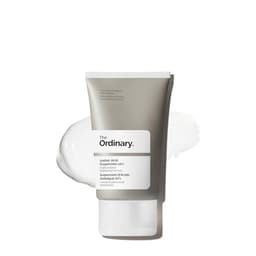
The Ordinary
Azelaic Acid Suspension 10%
The bottle to run the clock on: a labeled 10% free azelaic acid for a few dollars, which matters when the honest timeline is three months. Its own page states twice-daily use with sun protection — the same directions as the prescription strengths.
See it ranked in fullPrice as of October 19, 2026. #ad How we’re funded
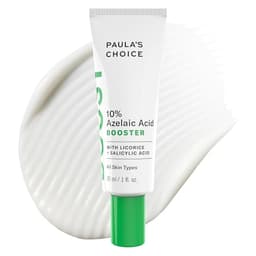
Paula's Choice
BOOST 10% Azelaic Acid Booster
The same 10% headline figure in a cream-gel, for anyone who abandoned azelaic acid because of the gritty silicone finish rather than because it did not work. Texture is a timeline issue: the product you keep using is the one that gets to twelve weeks.
See it ranked in fullPrice as of October 19, 2026. #ad How we’re funded
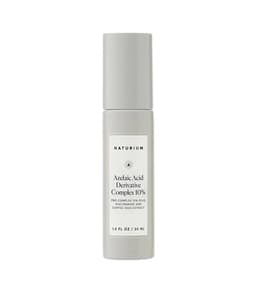
Naturium
Azelaic Acid Derivative Complex 10%
The lighter-feeling option, and the one to understand before you buy: it is a 10% azelaic DERIVATIVE with niacinamide and vitamin C, not the free acid the trials used. Reasonable for uneven tone; not the one to judge the rosacea timeline on.
See it ranked in fullPrice as of October 19, 2026. #ad How we’re funded
Frequently asked questions
How long does azelaic acid take to work?
It depends entirely on what you are treating. For inflammatory acne, the FDA label for the 20% prescription cream states that improvement is seen in the majority of patients with inflammatory lesions within four weeks. For rosacea, the 15% gel was approved on two identical twelve-week trials. For pigmentation, the AAD's melasma guidance says results from topical treatment usually take three to twelve months. So: four weeks for spots, twelve weeks for redness, and up to a year for dark marks.
How long does azelaic acid take to work on acne?
Four weeks is the figure in the FDA-approved label for the 20% cream — improvement in the majority of patients with inflammatory lesions within four weeks of twice-daily use. An over-the-counter 10% product is half that strength, so be prepared for it to be slower rather than faster. Judge it at eight weeks, not at ten days.
How long does azelaic acid take to work for rosacea?
Think in terms of twelve weeks. The 15% prescription gel was approved on two identical twelve-week vehicle-controlled trials in 664 patients, which reduced inflammatory lesions by 57.9% against 39.9% on vehicle in one and 50.0% against 38.2% in the other. Investigator-rated success — clear, minimal or mild — was 61% on the drug against 40% and 48% on vehicle. Those are the numbers behind the approval, and they took three months to produce.
How long does azelaic acid take to fade dark spots?
Longer than anything else on this page. The AAD's melasma guidance states that results from topical treatment usually take three to twelve months, and names azelaic acid among the topical options as a gentler one. Post-acne marks can move faster than melasma, but the honest framing is months rather than weeks — and sun protection is not optional, because sunlight drives more pigment production and undoes the work.
Does azelaic acid cause purging?
Not in the way a retinoid or an exfoliating acid does, because it is not accelerating turnover in the same fashion — the FDA label for the 20% cream is candid that the exact mechanism of action is not known. What does happen is early stinging, burning or tingling: the 15% gel label records that in 16% of users as mild, 9% moderate and 4% severe, against 2% mild on vehicle. If you are seeing a crop of new spots in week one, consider whether something else in your routine changed.
How often should I apply it?
Twice daily is what both prescription labels specify, and it is also what The Ordinary's own product page directs for its 10% suspension, with sun protection. That consistency across the strengths is unusual and useful — unlike retinoids and AHAs, azelaic acid is not an every-other-night active.
What if nothing has changed after three months?
Then stop guessing and reassess. Three things are worth checking in order: whether you have actually been using it twice daily, whether you bought the free acid or a derivative (a 10% derivative is not a 10% of the acid the trials used), and whether your complaint is the one this ingredient treats. If it is rosacea or stubborn melasma, the prescription strengths exist for a reason and that is a dermatologist conversation.
Is 10% over the counter strong enough?
It is the strongest you can buy without a prescription, and it is lower than both approved strengths — 15% for rosacea and 20% for acne. Reviews of azelaic acid's pharmacology support the ingredient broadly, but we are not going to tell you 10% matches a 20% label. Treat the over-the-counter version as the slower, gentler, cheaper route, and the prescription as what exists if that is not enough.
Can I speed it up by using more?
No, and with this product in particular over-applying has a specific cost: the silicone suspension pills under sunscreen when you lay it on thick, which is one of the main reasons people quit. A thin layer twice a day, every day, for twelve weeks beats a thick layer for three weeks and then abandonment.
Sources
- DailyMed — AZELEX (azelaic acid) Cream, 20% prescribing information — The FDA-approved label for the 20% prescription cream: indicated for mild-to-moderate inflammatory acne vulgaris, each gram containing 0.2 g azelaic acid, applied twice daily, with improvement in the majority of patients with inflammatory lesions within four weeks. Pruritus, burning, stinging and tingling occur in roughly 1-5% of patients; the label states the exact mechanism of action is not known (accessed September 26, 2026)
- DailyMed — FINACEA (azelaic acid) Gel, 15% prescribing information — The FDA-approved label for the 15% prescription gel: indicated for the inflammatory papules and pustules of mild to moderate rosacea, applied twice daily. Two identical 12-week vehicle-controlled trials in 664 patients reduced inflammatory lesions by 57.9% vs 39.9% and 50.0% vs 38.2%, with investigator-rated success (clear, minimal or mild) of 61% vs 40% and 61% vs 48%. Burning, stinging or tingling was reported by 16% mild / 9% moderate / 4% severe on the drug against 2% mild on vehicle (accessed September 26, 2026)
- A Comprehensive Review of Azelaic Acid: Pharmacological Properties, Clinical Applications and Topical Formulations (PMC) — Review of azelaic acid's action on pigmentation, inflammation and acne (accessed August 19, 2026)
- American Academy of Dermatology — Rosacea: Diagnosis and treatment — AAD on azelaic acid, metronidazole and ivermectin for rosacea (accessed August 19, 2026)
- American Academy of Dermatology — Melasma: Diagnosis and treatment — The AAD's patient guidance: topical skin-lightening agents are first-line for mild melasma while moderate-to-severe cases usually need two or more therapies combined; the topicals it names are hydroquinone, tretinoin with a mild corticosteroid, the triple-combination cream, azelaic acid, kojic acid and vitamin C, with azelaic acid named as a gentler option; it recommends sunscreen containing zinc oxide, titanium dioxide or iron oxide at SPF 30 or higher, reapplied through the day, because "sunlight causes the skin to make more pigment, which can darken existing melasma and cause new patches"; it states results usually take 3 to 12 months; and it notes melasma triggered by pregnancy or a medication may fade once that ends, while otherwise it can last years or a lifetime, with sun protection the thing that helps prevent its return (accessed October 5, 2026)
- The Ordinary — Azelaic Acid Suspension 10% (official product page) — The brand's own listing: the full eighteen-ingredient list (Aqua, Isodecyl Neopentanoate, Dimethicone, Azelaic Acid, Dimethicone/Bis-Isobutyl PPG-20 Crosspolymer, Dimethyl Isosorbide, Hydroxyethyl Acrylate/Sodium Acryloyldimethyl Taurate Copolymer, Polysilicone-11, Isohexadecane, Tocopherol, Trisodium Ethylenediamine Disuccinate, Isoceteth-20, Polysorbate 60, Triethanolamine, Ethoxydiglycol, Phenoxyethanol, Chlorphenesin), a stated pH of 4.00-5.00, the 30 mL and 100 mL sizes, twice-daily directions with sun protection, the non-comedogenic and alcohol-free claims, the fact that the brand does NOT claim it is silicone-free, and the conflict list (copper peptides, direct acids, direct vitamin C, EUK, niacinamide powder, peptides, retinoids) (accessed September 26, 2026)
- American Academy of Dermatology — Updated guidelines for the management of acne — AAD 2024 acne management guideline summary (accessed July 17, 2026)
Keep reading
Best azelaic acid
Every azelaic product we would buy, ranked — including which are the free acid.
See the picksAzelaic acid for rosacea
The twelve-week case in full, with the approved strengths and the trial figures.
Read the guideAzelaic acid for hyperpigmentation
Why pigment is the slowest complaint on this page, and what has to run alongside it.
Read the guideAzelaic acid for acne
Where azelaic acid sits in the 2024 acne guidance, honestly — and what outranks it.
Read the guideAzelaic acid vs salicylic acid
If you are not sure azelaic acid is the right ingredient for your complaint, start here.
Read the comparisonThe Ordinary Azelaic Acid Suspension 10%, reviewed
The label read in full: eighteen ingredients, a stated pH of 4.00 to 5.00, and the conflict list.
Read the review