Actives & Acids

Best Vitamin C Serums

Five vitamin C serums compared on the form of C used, its stated concentration, and which skin type each one actually suits.

By Stephen V.Last updated How we pick

Vitamin C is the morning antioxidant with the best-studied payoff: used consistently, it helps brighten dull skin, fade the look of dark spots, and defend against the daily oxidative hit from sun and pollution that sunscreen alone doesn’t fully cover. The catch is that “vitamin C” on a label can mean several very different molecules. Pure L-ascorbic acid is the most researched and the most potent, but it’s also the most likely to sting or oxidize; gentler derivatives trade some strength for stability and comfort.

So the first thing we grade on is which form of vitamin C the serum uses and whether the brand states a concentration — a “15% L-ascorbic with vitamin E and ferulic acid” tells you far more than a vague “stabilized vitamin C complex.” After that, we look at the supporting cast (E and ferulic acid meaningfully boost L-ascorbic), the base, and who each formula suits. The picks below run from a classic high-strength antioxidant trio to a soothing option for reactive skin, a lightweight choice for oily complexions, a maximal-strength pick for the experienced, and a very gentle derivative for anyone who finds pure C too harsh.

How this is funded:we earn a commission if you buy through our links, at no extra cost to you. It never changes which product we recommend, and we’ll tell you when we’d skip one. Full disclosure.

Quick picks

Ranked on formulation, stated concentration and buyer fit. Select a row to jump to the full write-up. We have not tested these products — here is exactly what we do instead.

#ProductBest forPrice
1
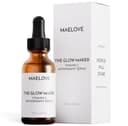
Maelove Glow Maker Vitamin C Serum

Maelove Glow Maker Vitamin C Serum

Builds on the one antioxidant trio with real research support — L-ascorbic acid alongside vitamin E and ferulic acid — for a sliver of the price of the prestige serum it mimics. Reach for it when you want the studied formulation.

Best overall
$39.90 · View on Amazon

Price as of July 19, 2026. #ad How we’re funded

2
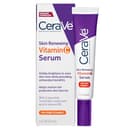
CeraVe Vitamin C Serum with 10% Pure Vitamin C

CeraVe Vitamin C Serum with 10% Pure Vitamin C

A labeled 10% pure vitamin C rounded out with ceramides and hyaluronic acid — the easiest on-ramp to L-ascorbic acid, since the barrier support rides along in the same bottle. No fragrance.

Best for sensitive skin
$23.86 · View on Amazon

$28.9918% off

Price as of July 19, 2026. #ad How we’re funded

3
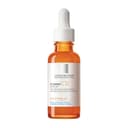
La Roche-Posay Pure Vitamin C10 Serum

La Roche-Posay Pure Vitamin C10 Serum

10% pure vitamin C with a touch of salicylic acid and hyaluronic acid, adding light texture-smoothing on top of the brightening. It fits oilier, breakout-prone skin best.

Best for oily skin
$37.99 · View on Amazon

$44.9916% off

Price as of July 19, 2026. #ad How we’re funded

4
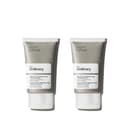
The Ordinary Vitamin C Suspension 23% + HA Spheres 2%

The Ordinary Vitamin C Suspension 23% + HA Spheres 2%

The least expensive route to a truly high 23% L-ascorbic acid dose — the trade being a gritty, silicone feel that not everyone can live with. A budget winner with a catch we won't hide.

Best high strength
$16.20 · View on Amazon

Price as of July 19, 2026. #ad How we’re funded

5
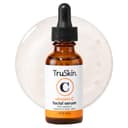
TruSkin Vitamin C Serum

TruSkin Vitamin C Serum

An Amazon top-seller founded on sodium ascorbyl phosphate — a mild vitamin C derivative rather than L-ascorbic acid. It irritates less, but it also brightens more gently and more slowly, so keep expectations grounded.

Best gentle derivative
$19.99 · View on Amazon

Price as of July 19, 2026. #ad How we’re funded

The picks in full

#1Best overall

Maelove Glow Maker Vitamin C Serum

Builds on the one antioxidant trio with real research support — L-ascorbic acid alongside vitamin E and ferulic acid — for a sliver of the price of the prestige serum it mimics. Reach for it when you want the studied formulation.

Strengths

  • L-ascorbic acid, vitamin E and ferulic acid — the antioxidant combination the studies actually looked at
  • Lightweight and free of fragrance
  • A fraction of the cost of the high-end serum it's patterned after

Trade-offs

  • L-ascorbic acid degrades with time, so buy it fresh, keep it cool and toss it once it browns
  • It may prickle at first while skin gets used to it
Key activeL-ascorbic acid (vitamin C)
Stated concentration15%
FormatLightweight fluid
Fragrance-freeYes
Best forNormal, Combination, Dull skin

Formulation note. 15% L-ascorbic acid with vitamin E and ferulic acid — the mix the dermatology literature credits with steadying vitamin C and improving sun protection. This is the version worth seeking out.

Ingredients and claims read from the product listing, on July 18, 2026. “Not published” means the brand does not state that figure.

#2Best for sensitive skin

CeraVe Vitamin C Serum with 10% Pure Vitamin C

A labeled 10% pure vitamin C rounded out with ceramides and hyaluronic acid — the easiest on-ramp to L-ascorbic acid, since the barrier support rides along in the same bottle. No fragrance.

Strengths

  • Names a 10% pure vitamin C dose — a disclosed, level-headed place to start
  • Ceramides and hyaluronic acid counter the dryness L-ascorbic acid can bring on
  • Fragrance-free and easy to find on shelves

Trade-offs

  • The opaque tube aids stability, yet it also hides any oxidation from view
  • 10% does the job but isn't the strongest option out there
Key activeL-ascorbic acid (vitamin C)
Stated concentration10%
FormatLight lotion-serum
Fragrance-freeYes
Best forSensitive, Dry, Normal

Formulation note. 10% pure vitamin C with hyaluronic acid and three essential ceramides. Those ceramides are the reason it works as a gentle entry point.

Ingredients and claims read from the product listing, on July 18, 2026. “Not published” means the brand does not state that figure.

#3Best for oily skin

La Roche-Posay Pure Vitamin C10 Serum

10% pure vitamin C with a touch of salicylic acid and hyaluronic acid, adding light texture-smoothing on top of the brightening. It fits oilier, breakout-prone skin best.

Strengths

  • A disclosed 10% L-ascorbic acid
  • A dose of salicylic acid works on texture and congestion
  • Built for sensitive skin in spite of the active load

Trade-offs

  • That salicylic acid is wasted if a BHA is already in your routine
  • Expensive compared with the drugstore 10% alternatives
Key activeL-ascorbic acid (vitamin C)
Stated concentration10%
FormatLightweight serum
Fragrance-freeNo
Best forOily, Combination, Blemish-prone

Formulation note. 10% pure vitamin C with salicylic acid and hyaluronic acid. The BHA turns it into a two-for-one, which only helps if you aren't exfoliating somewhere else already.

Ingredients and claims read from the product listing, on July 18, 2026. “Not published” means the brand does not state that figure.

#4Best high strength

The Ordinary Vitamin C Suspension 23% + HA Spheres 2%

The least expensive route to a truly high 23% L-ascorbic acid dose — the trade being a gritty, silicone feel that not everyone can live with. A budget winner with a catch we won't hide.

Strengths

  • A labeled 23% pure L-ascorbic acid — seriously high
  • The waterless suspension holds up against oxidation better than water-based serums
  • The cheapest per application of any vitamin C on this list

Trade-offs

  • A gritty, slightly draggy feel is the frequent gripe
  • At 23% it can burn or trigger a purge on sensitive skin, so it's no place to begin
Key activeL-ascorbic acid (vitamin C)
Stated concentration23%
FormatGritty silicone suspension
Fragrance-freeYes
Best forOily, Resilient, Not sensitive

Formulation note. 23% L-ascorbic acid particles suspended in silicones, a waterless base chosen for stability. The strength is high and the texture compromise is real — and we'll come out and say it.

Ingredients and claims read from the product listing, on July 18, 2026. “Not published” means the brand does not state that figure.

#5Best gentle derivative

TruSkin Vitamin C Serum

An Amazon top-seller founded on sodium ascorbyl phosphate — a mild vitamin C derivative rather than L-ascorbic acid. It irritates less, but it also brightens more gently and more slowly, so keep expectations grounded.

Strengths

  • Sodium ascorbyl phosphate holds up far better and stings far less than L-ascorbic acid
  • Rounds itself out with hyaluronic acid and vitamin E
  • Cheap and reviewed by the thousands

Trade-offs

  • Being a derivative, its brightening evidence lags behind L-ascorbic acid's
  • It carries botanical extracts that can trouble the most reactive complexions
Key activeSodium ascorbyl phosphate (vitamin C derivative)
Stated concentrationNot published
FormatLight lotion
Fragrance-freeNot published
Best forSensitive, Vitamin-C-intolerant

Formulation note. Runs on sodium ascorbyl phosphate instead of L-ascorbic acid. Derivatives are milder and more shelf-stable, but they have to convert in the skin and stand on less evidence — a reasonable swap for reactive skin.

Ingredients and claims read from the product listing, on July 18, 2026. “Not published” means the brand does not state that figure.

How to choose a vitamin C serum

Start with the form of C, because it decides everything else. If you want the most evidence-backed result and your skin tolerates it, L-ascorbic acidat a stated concentration (commonly 10–20%) is the benchmark — ideally paired with vitamin E and ferulic acid, which stabilize it and extend its antioxidant reach. If pure C stings, flushes, or you have easily-irritated skin, a derivative such as sodium ascorbyl phosphate is gentler and more forgiving to store, even if it works a little more quietly. Match the texture to your skin too: a light, quick-absorbing serum suits oily skin, while a richer, buffered formula sits better on dry or sensitive types.

Cost-per-mL and the freshness factor

Compare price by the milliliter, not by the bottle, and factor in shelf life. L-ascorbic acid oxidizes over time — if your serum turns deep yellow or brown, it’s past its best — so a giant bottle you can’t finish in a few months is false economy. A modest bottle you use up while it’s fresh usually beats a bulk buy that browns on the shelf. Derivatives and well-packaged L-ascorbic (opaque, air-restricting bottles) hold up longer, which changes the real cost-per-use in their favor.

Using it safely

Vitamin C is a morning active: apply a few drops to clean, dry skin, let it settle, then layer moisturizer and finish with sunscreen — the pairing gives you better daytime protection than either alone. Introduce it a few times a week if your skin is reactive and build up. High-strength L-ascorbic can tingle briefly; a persistent burn means step down the strength or frequency. If you also use retinol, the simplest plan is C in the morning and retinol at night — see using vitamin C with retinol.

Frequently asked questions

What is the best form of vitamin C in a serum?

Pure L-ascorbic acid is the most researched and most potent, especially when combined with vitamin E and ferulic acid. If it irritates your skin or you want something more stable, a derivative like sodium ascorbyl phosphate is gentler and stores better, trading a little strength for comfort.

What percentage of vitamin C should I look for?

For L-ascorbic acid, a stated 10 to 20 percent is the well-studied range; around 15 percent is a common sweet spot. Higher isn't automatically better and can increase irritation. If a serum won't state a concentration at all, treat that as a reason to be skeptical rather than impressed.

Should I use vitamin C in the morning or at night?

Morning is the classic choice, because vitamin C's antioxidant activity complements your sunscreen and helps defend against daytime oxidative stress. It's not harmful at night, but you get the most out of it paired with SPF during the day.

How do I know if my vitamin C serum has gone bad?

Watch the color. Fresh L-ascorbic serums are clear to pale yellow; once they turn deep yellow, orange or brown, the vitamin C has oxidized and lost potency. Store it away from light and air, and buy a size you can finish within a few months.

Sources

Keep reading