How to choose a benzoyl peroxide product
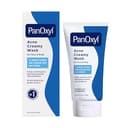
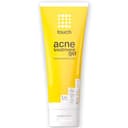
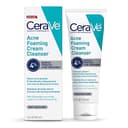
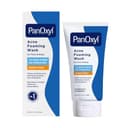
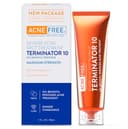
Two decisions, in this order. First, wash or leave-on. A wash rinses off after 30 to 60 seconds, so it delivers far less to the skin — but that also makes it the tolerable way to treat large areas like the chest and back, and it is where most people should start on the face. A leave-on gel stays put, which gives benzoyl peroxide the contact time it needs to work on stubborn inflammatory acne, and which is why it is the format that actually clears things. Many people end up using both: a wash in the shower, a leave-on where the breakouts are. For the chest and back specifically, where the strength logic reverses, benzoyl peroxide for body acne has the routine; for the face, the wash formats are ranked against a salicylic acid cleanser in best face wash for acne.
Second, strength, and here the instinct to buy the big number is the single most common mistake in this aisle. Because 2.5% performed as well as 10% in the published comparison while irritating skin less, the sensible ladder is to start at 2.5% or 4% and only go higher if a genuinely consistent eight-week run has not worked. A 10% product you abandon in a fortnight because your face is peeling has treated nothing.
Why higher strength isn’t stronger treatment
Benzoyl peroxide works by releasing oxygen into the pore, which kills C. acnesbacteria and, unlike antibiotics, does not breed resistance — that resistance-proofing is the reason it stays in dermatology guidelines decade after decade. But that antibacterial effect saturates. Past a certain point you are not killing more bacteria, you are just oxidizing more of your skin barrier, which shows up as the dryness, tightness and peeling that make people quit. The point of the low-dose finding is not that 2.5% is a compromise; it is that the extra strength was never buying the thing you wanted.
The two side effects nobody warns you about
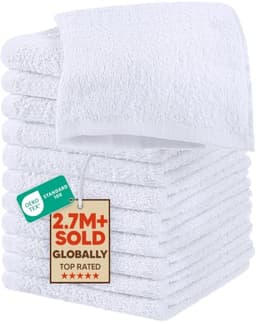
It bleaches fabric.Not stains — bleaches, permanently, and it does it to towels, pillowcases, t-shirt collars and the shoulders of anything dark. Use white towels and white pillowcases with it, full stop. Leave-on products are worse than washes here because the residue is still active when your face hits the pillow.
It dries skin hard. Benzoyl peroxide is drying by design, and the fix is not to use less of it but to pair it deliberately with a good moisturizer. A ceramide cream over the top, applied a few minutes after the treatment has absorbed, keeps the barrier intact so you can stay on the treatment long enough for it to work. Our ceramide moisturizer picks are the ones we would pair with anything on this page, and how to use benzoyl peroxide walks through the full routine including the fabric problem.
What to combine it with, and what to keep apart
Benzoyl peroxide and adapaleneare a genuinely good pair — they work on different parts of acne and are prescribed together routinely — but classic advice is to use them at different times of day rather than layered wet on wet, partly because both are drying and the combination is a lot for one barrier to absorb at once. Keep it away from strong exfoliating acids in the same routine while you are building tolerance; alternating nights is plenty. And do not stack it with a retinol on the same evening for the same reason. If you are deciding between benzoyl peroxide and salicylic acid in the first place, our head-to-head comparison covers which type of acne each one actually suits.
How long to give it
Eight to twelve weeks of consistent use before you judge it, and expect things to look worse before better as skin adjusts. If nothing has moved after twelve honest weeks at a sensible strength, the answer is usually a different active or a doctor rather than a higher percentage — particularly for deep, painful cystic acne, which benzoyl peroxide alone rarely resolves. Persistent nodular or scarring acne is a case for professional treatment, not a stronger tube.