Azelaic Acid for Acne: What It Treats, and What It Doesn't
Azelaic acid is on the acne guidelines, but not at the top of them. Here is what the 10% you can buy actually does to a breakout, the one job it does better than anything else on the shelf, and how to run it alongside the treatments with stronger evidence.
How this is funded: we earn a commission if you buy through our links, at no extra cost to you. It never changes which product we recommend, and we’ll tell you when we’d skip one. Full disclosure.
Azelaic acid has become one of the most recommended actives on the internet, and the recommendations rarely say where it sits relative to everything else. So start there. In the 2024 American Academy of Dermatology acne guideline, topical benzoyl peroxide and topical retinoids — adapalene, tretinoin, tazarotene, trifarotene — carry strong recommendations. Azelaic acid carries a conditional one, alongside topical salicylic acid and clascoterone.
That single fact should shape how you shop. Azelaic acid is a real acne treatment with real guideline standing, and it is also not the first thing most people with breakouts should buy. What follows is the case for it anyway — because there is a genuine one, and it is more specific than “it’s gentle”.
What azelaic acid does to a breakout
Despite the name, azelaic acid is a dicarboxylic acid, not an AHA or a BHA. It does not resurface skin the way glycolic acid does, and it does not dissolve into oil the way salicylic acid does. It works through three routes at once, and the AAD lists all three plainly: it opens clogged pores and helps keep them open, it works on the bacteria involved in acne, and it reduces the inflammation acne causes.
Then there is a fourth thing, and it is the reason this page exists at all: azelaic acid acts on pigment. The AAD notes it can also treat the dark spots that appear once acne clears. Almost nothing else in the acne aisle does both jobs. Benzoyl peroxide kills bacteria and does nothing for the mark. A retinoid turns skin over and helps the mark eventually. Azelaic acid goes after the breakout and the brown stain it leaves in the same step — which, for anyone whose real complaint is “my skin is more marks than spots”, is the entire argument.
Who should actually buy it
Skin that marks badly after every spot. If the pimple lasts four days and the brown patch lasts four months, the marks are the problem you are really trying to solve. Azelaic acid addresses both ends of that at once, and it earns a tube on that basis alone. Our azelaic acid for hyperpigmentation guide covers the pigment mechanism in more depth.
Skin that cannot tolerate the strong options. Benzoyl peroxide dries and bleaches fabric; retinoids purge and peel. If you have tried both and abandoned both, azelaic acid is the sensible fallback rather than giving up on actives entirely.
Breakouts that might not be acne.Papules and pustules across the cheeks, on skin that also flushes, are frequently rosacea rather than acne vulgaris — and the treatment plan is different. Azelaic acid happens to be a mainstay for both, which makes it a forgiving choice while you work out which one you have. See azelaic acid for rosacea for that version of the story.
Anyone who has been told to avoid retinoids. There are situations, pregnancy among them, where the usual acne actives are off the table and azelaic acid gets raised as an alternative. That conversation belongs with your doctor rather than with a skincare site, and we are not going to pretend otherwise.
Who should buy something else first
If your acne is inflamed and active— red, sore, spreading — and you have not yet tried an over-the-counter retinoid or benzoyl peroxide, start with one of those. The guideline hierarchy is not decoration. Adapalene is available without a prescription, carries a strong recommendation, and costs roughly what a mid-range azelaic acid costs.
If your acne is nodular or cystic— deep, painful lumps that never come to a head — nothing on a shelf is the answer. That is a dermatologist conversation, and the sooner it happens the less scarring you are left with.
If your main problem is blackheads and congestion, azelaic acid is a weak choice on its own. A BHA gets inside the pore, which is exactly the thing azelaic acid does not do especially well. That is the honest reason one of the picks below pairs azelaic acid with salicylic acid rather than selling it as a solo act.
Strength: what 10% means, and what it doesn’t
Every azelaic acid you can buy without a prescription tops out around 10%. Prescription azelaic acid is stronger. That gap is real, and it is also smaller than the gap between using a product consistently for three months and using it for three weeks before losing interest.
Two warnings about the number on the label. First, the strength only means anything when the brand actually prints it — plenty of products marketed on azelaic acid never state a percentage, and a formula that will not state its percentage is telling you something. Second, some products list an azelaic derivative rather than azelaic acid itself. Those are different molecules with a different evidence base, and a percentage on a derivative is not the same claim as a percentage on the acid. Read the front of the box, then read the ingredient list.
How to use it without wasting three months
Once a day to start, in the evening.Twice daily is where most people eventually land, but there is nothing to gain from starting there. Apply a thin layer — roughly a pea for the whole face — to clean, dry skin, then moisturize over the top.
Expect a tingle, not a burn. A brief prickle or warmth in the first couple of weeks is common and settles. Sustained stinging, or skin that looks angrier than it did before you started, means you are applying too much too often. Drop to alternate nights and build back up.
Give it six to eight weeks minimum.That is the AAD’s own framing for acne treatment: at least six to eight weeks before you start seeing fewer breakouts. The marks take longer still. Most failed acne routines failed on the calendar rather than on the chemistry.
Combine deliberately, not simultaneously. The 2024 guideline update explicitly encourages combining treatment types, and azelaic acid layers more comfortably than most actives do. A workable structure is a benzoyl peroxide or salicylic cleanser in the morning, azelaic acid after it, and a retinoid at night. Introduce one new product at a time, weeks apart, so that when something stings you know what caused it. Our guide to layering actives covers what genuinely conflicts and what merely sounds like it should.
Sunscreen every morning. This is not a throwaway line on a page about marks. Post-inflammatory pigmentation darkens with UV exposure, so skipping sunscreen while you treat it undoes the treatment in real time.
What to spend
Azelaic acid spans a wide price range for what is, on the headline number, the same 10%. At the budget end you can buy a printed 10% for the price of a sandwich; at the top end you are paying several times that. The extra money buys texture and supporting ingredients rather than strength — the smoother cream-gels avoid the faintly gritty feel of a silicone suspension, and some add a BHA or niacinamide alongside the azelaic acid.
For a first tube, the cheap one is the right one. You are running an experiment on whether azelaic acid suits your skin at all, and there is no sense running it with an expensive reagent. If it works and the texture annoys you under sunscreen, that is the moment to trade up. The full shortlist is at best azelaic acid products.
When to stop reading and see a doctor
See a dermatologist if your acne is nodular or cystic, if it is leaving scars, if three consistent months of over-the-counter treatment has changed nothing, or if the breakouts are affecting how you feel about going out. Prescription azelaic acid is stronger than anything sold over the counter, and it is only one of several things a doctor can offer — the 2024 guideline also covers oral options and, for severe or treatment-resistant acne, isotretinoin. Nothing on this page is medical advice, and acne is a condition where getting proper treatment early is what prevents the permanent version of the problem.
General guidance, not medical advice. Actives & Acids is written by a skincare enthusiast, not a dermatologist. For a diagnosis, a reaction, or a prescription active like tretinoin, see a qualified professional. Introduce any new active slowly and patch-test first.
What we'd actually buy
Chosen from the same registry as our roundups, on published formulation facts rather than hands-on testing — here is exactly what we do instead.
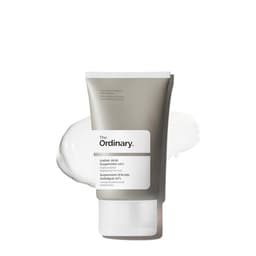
The Ordinary
Azelaic Acid Suspension 10%
A printed 10% for a handful of dollars. If you want to find out whether azelaic acid suits your breakouts, this is the tube to find out with.
See it ranked in fullPrice as of October 20, 2026. #ad How we’re funded
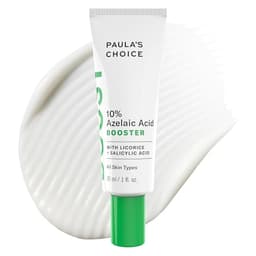
Paula's Choice
BOOST 10% Azelaic Acid Booster
The same 10% with salicylic acid alongside it, in a smoother cream-gel. The BHA is the part that matters for congestion, because azelaic acid alone does little for a clogged pore.
See it ranked in fullPrice as of October 20, 2026. #ad How we’re funded
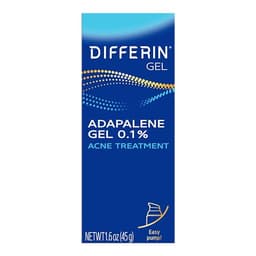
Differin
Adapalene Gel 0.1%
The honest counterweight to this whole page: topical retinoids carry a strong guideline recommendation for acne, azelaic acid carries a conditional one. If inflamed breakouts are your main problem, buy this first.
See it ranked in fullPrice as of October 20, 2026. #ad How we’re funded
Frequently asked questions
Does azelaic acid clear acne?
It helps, and it is on the guidelines, but it is not the strongest option you can buy. The American Academy of Dermatology describes azelaic acid as opening clogged pores and keeping them open, acting on the bacteria involved in acne, and reducing acne inflammation. In the 2024 AAD acne guideline it carries a conditional recommendation, while topical benzoyl peroxide and topical retinoids carry strong ones. Read that as: a legitimate acne treatment, rarely the first one to buy.
Is azelaic acid better than benzoyl peroxide for acne?
Not on the evidence. Benzoyl peroxide is strongly recommended in the 2024 AAD guideline; azelaic acid is conditionally recommended. Where azelaic acid wins is tolerance and scope — it does not bleach fabric, it is generally kinder to reactive skin, and it works on the dark marks acne leaves behind, which benzoyl peroxide does not. For skin that cannot cope with benzoyl peroxide, azelaic acid is a reasonable substitute. For skin that can, it usually is not an upgrade.
Can I use azelaic acid with adapalene or benzoyl peroxide?
Usually yes, and combining treatment types is what the 2024 guideline update actually encourages. The practical approach is to separate them rather than layer everything at once: a benzoyl peroxide wash in the morning, azelaic acid after it, and the retinoid at night. Introduce one product at a time, several weeks apart, so that when something stings you know what caused it.
How long does azelaic acid take to work on acne?
Give it at least six to eight weeks before you judge it — that is the AAD's own framing for acne treatment generally, and azelaic acid is not faster than average. The post-acne dark marks take considerably longer again, often several months, because pigment fades on its own schedule. Consistency over three months beats switching products every two weeks.
Does azelaic acid help acne scars?
It helps the flat brown and purple marks left after a spot heals, which is what most people mean by acne scars but is technically post-inflammatory hyperpigmentation. The AAD notes azelaic acid can treat the dark spots that appear when acne clears. It does nothing for true scarring — the pitted, indented texture changes that need resurfacing procedures from a dermatologist. If you can feel the scar with a fingertip, no topical is going to fix it.
Is 10% azelaic acid strong enough for acne?
Ten percent is the practical ceiling for a cosmetic product, and prescription azelaic acid is stronger. If a 10% has done nothing after three consistent months, the answer is not to apply more of it — it is to see a doctor, who can prescribe a higher strength or, more usefully, a treatment with a stronger recommendation behind it.
Sources
- American Academy of Dermatology — Acne: Diagnosis and treatment — AAD overview of benzoyl peroxide, retinoids, salicylic and azelaic acid for acne (accessed July 17, 2026)
- American Academy of Dermatology — Updated guidelines for the management of acne — AAD 2024 acne management guideline summary (accessed July 17, 2026)
- Guidelines of care for the management of acne vulgaris (PubMed) — 2024 AAD acne guideline of care (accessed July 17, 2026)
- A Comprehensive Review of Azelaic Acid: Pharmacological Properties, Clinical Applications and Topical Formulations (PMC) — Review of azelaic acid's action on pigmentation, inflammation and acne (accessed August 19, 2026)
Keep reading
Best azelaic acid products
The 10% shortlist compared on texture, supporting ingredients and whether they pill under sunscreen.
See the picksBest acne treatments
The wider shortlist across adapalene, benzoyl peroxide and salicylic acid, ranked by the kind of breakout each one suits.
See the picksAzelaic acid for hyperpigmentation
The other half of the job — why it targets overactive pigment cells, and how long the marks left behind really take to fade.
Read the guideAzelaic acid for rosacea
The overlap case: bumps that look like acne but aren't, and why the treatment plan changes when it's rosacea.
Read the guideAdapalene (Differin) guide
How to start the over-the-counter retinoid without the purge derailing you in week three.
Read the guideBest serums for acne scars and marks
What to reach for once the breakouts settle and the brown and red marks are what's left.
See the picks