Actives & Acids

Best Chemical Exfoliant for Mature Skin

Older skin renews more slowly and tolerates less, which changes which acid to buy and how often to use it. Six exfoliants ranked on stated strength, molecule size and how gently they smooth texture without stripping a thinner, drier barrier.

By Stephen V.Last updated How we pick

Two things happen to skin over the decades that make exfoliation both more useful and more risky. It renews more slowly — the dermatology literature on skin aging describes epidermal turnover declining with age, which is why older skin can look dull and feel rough even when it is clean. And it gets drier and thinner, with a barrier that produces fewer lipids and forgives less. A chemical exfoliant addresses the first problem directly: it loosens the dead cells the skin is slow to shed on its own, and the result is smoother texture and better light reflection within weeks. The second problem is why the exfoliant that suits a twenty-five-year-old is often the wrong one at fifty-five.

So this ranking is not the same as our general best chemical exfoliants list. We weighted four things for mature skin: does the brand publish the strength, how large the acid molecule is (bigger penetrates slower and stings less), whether the formula carries anything hydrating alongside the acid, and whether it is fragrance-free. Lactic acid wins on those criteria and glycolic — the classic anti-aging AHA — lands in the middle, for reasons the ranking explains. We have not tested these; we own no bottles. Every claim is read from a published ingredient list or the FDA and dermatology guidance on hydroxy acids. One rule above all the picks: on mature skin, an exfoliant is a two-nights-a-week product, not a daily one.

How this is funded: we earn a commission if you buy through our links, at no extra cost to you. It never changes which product we recommend, and we’ll tell you when we’d skip one. Full disclosure.

Quick picks

Ranked on formulation, stated concentration and buyer fit. Select a row to jump to the full write-up. We have not tested these products — here is exactly what we do instead.

#ProductBest forPrice
1
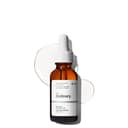
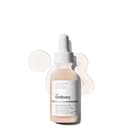
The Ordinary Lactic Acid 10% + HA

The Ordinary Lactic Acid 10% + HA

Lactic acid is the larger, more hydrating cousin of glycolic, so it smooths with less of the bite. A labeled 10% that makes a sensible first AHA for dry or normal skin.

Best overall
$7.81 · View on Amazon

$9.2015% off

Price as of September 19, 2026. #ad How we’re funded

2
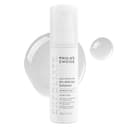
Paula's Choice Skin Perfecting 8% AHA Gel Exfoliant

Paula's Choice Skin Perfecting 8% AHA Gel Exfoliant

A carefully built leave-on 8% glycolic gel at a working pH, with green tea along for the ride. It costs a bit more, but the formula is clean and the strength is stated plainly.

Best leave-on glycolic for sun damage
$37.00 · View on Amazon

Price as of September 19, 2026. #ad How we’re funded

3
The Ordinary Mandelic Acid 10% + HA

The Ordinary Mandelic Acid 10% + HA

Mandelic is the large-molecule AHA that sinks in slowly, so it exfoliates with less sting than glycolic. A labeled 10% that's an easy first acid for sensitive skin, and a lower-risk one for evening tone on deeper skin tones.

Best for thin, sensitive skin
$7.80 · View on Amazon

Price as of September 19, 2026. #ad How we’re funded

4
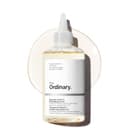
The Ordinary Glycolic Acid 7% Exfoliating Toner

The Ordinary Glycolic Acid 7% Exfoliating Toner

A cult-favorite budget AHA toner — a labeled 7% glycolic for surface smoothing and glow. It's strong for something called a toner; this is a genuine exfoliant, so treat it as one and skip nightly use at the start.

Best budget glycolic
$13.50 · View on Amazon

Price as of September 19, 2026. #ad How we’re funded

5
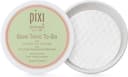
Pixi Glow Tonic to-Go (5% Glycolic Acid Pads)

Pixi Glow Tonic to-Go (5% Glycolic Acid Pads)

The Glow Tonic formula pre-soaked onto pads — the same mild 5% glycolic with aloe and ginseng, in a jar of 60 rather than a bottle. Gentle enough to work toward near-daily use for glow, but it's fragranced, and a fixed count of pads costs more per application than a bottle does.

Best low-strength daily pads
6
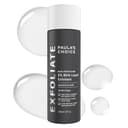
Paula's Choice Skin Perfecting 2% BHA Liquid Exfoliant

Paula's Choice Skin Perfecting 2% BHA Liquid Exfoliant

The most recommended leave-on BHA around, and rightly so — a labeled 2% salicylic acid at the correct pH in a lightweight liquid. No single product beats it for blackheads and clogged pores.

Best if pores stay congested
$37.00 · View on Amazon

Price as of September 19, 2026. #ad How we’re funded

The picks in full

#1Best overall

The Ordinary Lactic Acid 10% + HA

Lactic acid is the larger, more hydrating cousin of glycolic, so it smooths with less of the bite. A labeled 10% that makes a sensible first AHA for dry or normal skin.

Strengths

  • A disclosed 10% lactic acid at a budget price
  • The larger molecule is gentler and more hydrating than glycolic
  • Hyaluronic acid rides along to offset dryness

Trade-offs

  • Milder than glycolic, so tough texture may respond more slowly
  • It's still an exfoliant — build up gradually and wear SPF the next day
Key activeLactic acid (AHA)
Stated concentration10%
FormatLight serum
Fragrance-freeYes
Best forNormal, Dry, AHA-curious

Formulation note. 10% lactic acid with hyaluronic acid. Lactic's molecule is bigger than glycolic's, so it works a touch more slowly and tends to feel more hydrating — which is why it's an easier place to start with AHAs on dry or normal skin.

Ingredients and claims read from the product listing, on July 18, 2026. “Not published” means the brand does not state that figure.

#2Best leave-on glycolic for sun damage

Paula's Choice Skin Perfecting 8% AHA Gel Exfoliant

A carefully built leave-on 8% glycolic gel at a working pH, with green tea along for the ride. It costs a bit more, but the formula is clean and the strength is stated plainly.

Strengths

  • A disclosed 8% glycolic acid formulated at an effective pH
  • Green tea adds an antioxidant angle to the exfoliation
  • Fragrance-free leave-on gel that layers cleanly

Trade-offs

  • Pricier than a budget glycolic for the same headline acid
  • Still an AHA — start a few nights a week and use SPF the next day
Key activeGlycolic acid (AHA)
Stated concentration8%
FormatLeave-on gel
Fragrance-freeYes
Best forNormal, Dry, Sun-damaged

Formulation note. 8% glycolic acid at a functional pH with green tea, in a leave-on gel. The pH is what lets the acid actually work, and the stated strength plus fragrance-free base are why it reads as a clean, well-built formula rather than just a pricier one.

Ingredients and claims read from the product listing, on July 18, 2026. “Not published” means the brand does not state that figure.

#3Best for thin, sensitive skin

The Ordinary Mandelic Acid 10% + HA

Mandelic is the large-molecule AHA that sinks in slowly, so it exfoliates with less sting than glycolic. A labeled 10% that's an easy first acid for sensitive skin, and a lower-risk one for evening tone on deeper skin tones.

Strengths

  • A big molecule that penetrates slowly, making it the gentlest of the AHAs
  • A disclosed 10% strength for just a few dollars
  • Lower risk of triggering post-inflammatory pigmentation, a plus on deeper skin tones

Trade-offs

  • The slow penetration means results build gradually, not overnight
  • Still an acid — start a few nights a week and pair with daytime SPF
Key activeMandelic acid (AHA)
Stated concentration10%
FormatLight serum
Fragrance-freeYes
Best forSensitive, Blemish-prone, Deeper skin tones

Formulation note. 10% mandelic acid with hyaluronic acid. Mandelic's larger molecule moves into the skin more slowly than glycolic or lactic, which is what makes it low-irritation — a reasonable reason it's so often suggested for sensitive skin and for pigment-prone deeper skin tones.

Ingredients and claims read from the product listing, on July 18, 2026. “Not published” means the brand does not state that figure.

#4Best budget glycolic

The Ordinary Glycolic Acid 7% Exfoliating Toner

A cult-favorite budget AHA toner — a labeled 7% glycolic for surface smoothing and glow. It's strong for something called a toner; this is a genuine exfoliant, so treat it as one and skip nightly use at the start.

Strengths

  • A disclosed 7% glycolic acid for just a few dollars
  • Visible smoothing and radiance
  • Carries soothing aloe and ginseng

Trade-offs

  • Too potent for sensitive skin or for daily use right away
  • In the early going, never pair it with other strong acids or retinol on the same night
Key activeGlycolic acid (AHA)
Stated concentration7%
FormatWatery toner
Fragrance-freeYes
Best forNormal, Oily, Resilient

Formulation note. 7% glycolic acid with aloe, ginseng and Tasmanian pepperberry to temper irritation. As a water-soluble AHA it works on the surface — great for glow, and a different job from the pore-clearing BHAs do.

Ingredients and claims read from the product listing, on July 18, 2026. “Not published” means the brand does not state that figure.

#5Best low-strength daily pads

Pixi Glow Tonic to-Go (5% Glycolic Acid Pads)

The Glow Tonic formula pre-soaked onto pads — the same mild 5% glycolic with aloe and ginseng, in a jar of 60 rather than a bottle. Gentle enough to work toward near-daily use for glow, but it's fragranced, and a fixed count of pads costs more per application than a bottle does.

Strengths

  • A soft 5% glycolic, stated on the listing, that many can build up to using most days
  • Aloe and ginseng round out an otherwise simple exfoliating toner
  • Pre-soaked pads carry the dose for you, so there's nothing to pour and nothing to pack

Trade-offs

  • It contains fragrance, worth weighing for reactive skin
  • A jar of 60 pads is a fixed number of uses, so it works out dearer per application than The Ordinary's 240ml glycolic
  • At 5% it's mild, so stubborn texture may need something stronger
Key activeGlycolic acid (AHA)
Stated concentration5%
FormatPre-soaked exfoliating pads
Fragrance-freeNo
Best forNormal, Combination, Glow-seeking

Formulation note. 5% glycolic acid on pre-soaked pads, with aloe, witch hazel water, horse chestnut and ginseng in an alcohol-free base. The low strength is what makes near-daily use realistic, but fragrance (parfum) is on the INCI and a set count of pads works out dearer per use than a 240ml bottle — the honest trade-offs to note.

Ingredients and claims read from the product listing, on September 4, 2026. “Not published” means the brand does not state that figure.

#6Best if pores stay congested

Paula's Choice Skin Perfecting 2% BHA Liquid Exfoliant

The most recommended leave-on BHA around, and rightly so — a labeled 2% salicylic acid at the correct pH in a lightweight liquid. No single product beats it for blackheads and clogged pores.

Strengths

  • A disclosed 2% salicylic acid formulated at a pH that actually works
  • Being oil-soluble, the BHA reaches inside pores where AHAs can't go
  • A fragrance-free, non-abrasive leave-on liquid

Trade-offs

  • Begin 2-3 times a week, since going daily right away can over-exfoliate
  • Early on, keep it off the same night as retinol
Key activeSalicylic acid (BHA)
Stated concentration2%
FormatWatery liquid
Fragrance-freeYes
Best forOily, Combination, Blemish-prone

Formulation note. 2% salicylic acid at a working pH. Its oil solubility is the whole point — BHA clears out the inside of pores, which is why it outperforms a scrub on blackheads.

Ingredients and claims read from the product listing, on August 25, 2026. “Not published” means the brand does not state that figure.

How we ranked these

1. Molecule size: why lactic and mandelic lead

Every alpha hydroxy acid does the same job — it loosens the bonds holding dead cells to the surface — but they do it at different speeds, and the speed is set mostly by the size of the molecule. Glycolic acid is the smallest, penetrates fastest, and stings most. Lactic acid is larger, works a touch more slowly and tends to feel more hydrating; mandelic is larger still and the gentlest of the three. On a thinner, drier barrier, slow is a feature. That is why The Ordinary Lactic Acid 10% + HA takes the top spot: a stated 10%, a larger molecule, and hyaluronic acid in the same bottle to offset the dryness — the closest thing to a purpose-built mature-skin exfoliant on the page. Mandelic 10% is the pick when even lactic feels like too much, and it carries a second advantage for deeper skin tones: a lower risk of the acid itself triggering pigment. Our lactic acid benefits guide goes deeper on why it is the sensible first AHA.

2. Glycolic: the anti-aging classic, used carefully

Glycolic acid has the longest record for photoaged skin, and it is not excluded from this list — it is placed. The published reference on chemical peels treats glycolic as the workhorse superficial peel, and a leave-on 8% at a working pH like Paula’s Choice 8% AHA gel is the considered way to get that benefit at home on skin that has seen sun. The reason it ranks below lactic is tolerance, not efficacy: a small, fast-penetrating acid on a thin barrier is the combination most likely to produce the tight, red, over-exfoliated result that makes people quit. The Ordinary Glycolic 7% toner delivers a similar strength for a few dollars and earns the budget slot, with the caveat our own listing carries: it is a real exfoliant, not a toner, and daily use from the start is a mistake.

3. What else is in the bottle

Mature skin does not need an exfoliant that also dries it out. We gave credit to formulas that pair the acid with a humectant — the hyaluronic acid in both The Ordinary serums — or with soothing supporting ingredients. Pixi’s 5% glycolic pads take the low-strength daily slot for exactly this reason: at 5% with aloe and ginseng, many people can build to near-daily use, which suits the reader who wants a gentle constant rather than a strong twice-weekly step. The honest trade-offs are that the pads are fragranced and cost more per use than a bottle.

4. Fragrance and the BHA exception

Five of the six picks are fragrance-free per their listings; the Pixi pads are the exception. And one pick is not an AHA at all. Paula’s Choice 2% BHA is salicylic acid, oil-soluble, and it is here because mature skin is not always dry skin — plenty of people over fifty still have congested pores on the nose and chin, and a BHA reaches inside a pore where an AHA cannot. If your texture problem is bumps rather than dullness, it is the better tool. The difference is explained in AHA vs BHA.

How often mature skin can exfoliate

Less often than the internet suggests. Start at one night a week with any leave-on acid on this page, move to two after a month if there is no stinging or tightness the next morning, and treat two or three nights a week as the ceiling for a 10% AHA on skin over fifty. The signs you have gone past your barrier’s limit are specific — shine that is not oil, stinging from your moisturizer, redness that outlasts the hour — and signs of over-exfoliation lists them. If you are also using a retinoid, which most people targeting aging are, the acid and the retinoid go on different nights until you are well established with both; stacking them is the commonest way a mature-skin routine ends in a barrier repair week. The general schedule is in how often to exfoliate.

Sun sensitivity: the rule with a regulator behind it

The FDA’s guidance on alpha hydroxy acids is explicit that they can increase the skin’s sensitivity to the sun, and it recommends daily sunscreen while using them and for a week afterwards. On mature skin, where the entire goal is to reverse sun damage rather than add to it, this is not a footnote. Use the acid at night, wear a broad-spectrum sunscreen every morning, and if you cannot commit to the sunscreen, do not buy the acid. The same FDA page relays the Cosmetic Ingredient Review panel’s safe-use criteria for consumer AHA products — a concentration of 10% or less at a pH of 3.5 or greater — which is why every AHA on this page sits at or under 10% and why we do not recommend the at-home 30% peel for this reader.

Where an exfoliant sits in a mature-skin routine

Cleanse, acid on dry skin, wait a few minutes, then moisturize generously — a ceramide cream, since the barrier is the thing you are protecting. Hyaluronic acid before the moisturizer is a legitimate way to buffer the acid. Vitamin C belongs in the morning, not the same step. The rest of the anti-aging hierarchy — sunscreen first, retinoids second, everything else after — is laid out in best actives for aging skin, and the creams we would seal any of these acids with are ranked in best ceramide moisturizers.
Frequently asked questions

Which chemical exfoliant is best for skin over 50?

A lactic acid at a stated 10% is the best starting point for most mature skin: a larger molecule than glycolic, so it penetrates more slowly and stings less, and usually formulated with hyaluronic acid to offset dryness. Mandelic acid is the step down for very thin or sensitive skin; a leave-on 8% glycolic is the step up for sun-damaged skin that tolerates acids well.

Is glycolic acid too harsh for mature skin?

Not inherently — it has the longest track record for photoaged skin — but it is the AHA most likely to over-exfoliate a thin, dry barrier because its small molecule penetrates fastest. Use it at 7-8%, at night, one or two nights a week, with sunscreen every morning. If it leaves you tight or red the next day, switch to lactic.

How often should mature skin use a chemical exfoliant?

Start at once a week and treat two or three nights a week as the ceiling for a 10% AHA. Older skin renews more slowly, so it does not need daily exfoliation, and it has less barrier margin, so it cannot tolerate it. The 5% pads on this page are the exception some people can build toward using most days, precisely because the strength is low.

Can I use an exfoliating acid and retinol together on mature skin?

On different nights, yes — and most people targeting aging should use both. Stacking them on the same night is the most common cause of the over-exfoliated, stinging phase that makes people abandon their routine. Alternate them until both are well established, and if you have to choose one, the retinoid has the stronger evidence for wrinkles.

Do I need sunscreen if I use an AHA?

Yes, every morning, with no exceptions. The FDA's guidance on alpha hydroxy acids states they can increase sun sensitivity and recommends daily sunscreen while using them and for a week afterwards. On mature skin the whole point is reversing sun damage, so exfoliating without sunscreen works against itself.

Will a chemical exfoliant help wrinkles?

It helps the appearance of texture and dullness, which makes fine surface lines look softer, and a leave-on glycolic has a real history on photoaged skin. It does not do what a retinoid does for collagen. Think of the acid as the step that makes skin look smoother this month, and the retinoid plus sunscreen as the steps that change it over a year.

Sources

Keep reading