Actives & Acids

Best Retinol for Beginners

Five first-bottle retinols ranked by how forgiving they are — low stated strengths, cushioning bases, and formats that make the ramp-up easy.

By Stephen V.Last updated How we pick

Your first retinol is not the place to be a hero. The whole point of a beginner bottle is to introduce your skin to the ingredient slowly enough that you actually stick with it — because retinol only rewards the people who keep using it for a few months. Quit in week two because your cheeks are flaking and you get nothing. So instead of chasing the biggest number on the shelf, we look for a low, clearly stated strength sitting in a base that cushions rather than strips.

That means grading on two things a beginner really feels: does the label tell you the percentage, and does the formula buffer the retinol with something soothing like squalane, ceramides, or niacinamide? A stated 0.5% in a forgiving oil is a smarter on-ramp than a mystery “retinol complex” that could be anywhere from featherweight to fierce. The picks below span a squalane-based starter, an extra-gentle bakuchiol blend, a wallet-friendly encapsulated option, a fragrance-conscious pick for reactive skin, and a classic cream if you prefer moisturizer and retinol in one step. Start two or three nights a week and build from there.

How this is funded:we earn a commission if you buy through our links, at no extra cost to you. It never changes which product we recommend, and we’ll tell you when we’d skip one. Full disclosure.

Quick picks

Ranked on formulation, stated concentration and buyer fit. Select a row to jump to the full write-up. We have not tested these products — here is exactly what we do instead.

#ProductBest forPrice
1
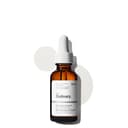
The Ordinary Retinol 0.5% in Squalane

The Ordinary Retinol 0.5% in Squalane

About as transparently labeled as retinol gets: a precise 0.5% suspended in squalane, priced so cheaply that easing in slowly costs you nothing. For most people, this is the right first bottle.

Best overall for beginners
$9.30 · View on Amazon

Price as of July 19, 2026. #ad How we’re funded

2
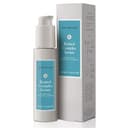
Naturium Retinol Complex Serum

Naturium Retinol Complex Serum

Mixes encapsulated retinol with bakuchiol, a botanical with some retinol-like research behind it, to ease the break-in period. A sensible middle-of-the-road choice, minus a stated retinol dose.

Best gentle on-ramp
$14.69 · View on Amazon

$20.9930% off

Price as of July 19, 2026. #ad How we’re funded

3
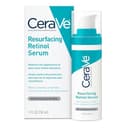
CeraVe Resurfacing Retinol Serum

CeraVe Resurfacing Retinol Serum

Encapsulated retinol paired with ceramides and licorice root, pointed at post-acne marks more than lines. It's mild, barrier-kind and inexpensive, though the dose is never named.

Best on a budget
$18.68 · View on Amazon

$21.9915% off

Price as of July 19, 2026. #ad How we’re funded

4
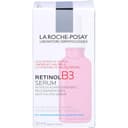
La Roche-Posay Pure Retinol Face Serum (B3 + HA)

La Roche-Posay Pure Retinol Face Serum (B3 + HA)

Combines pure retinol with niacinamide and hyaluronic acid, baking the anti-flaking buffer into the bottle instead of leaving you to layer it on. Of the genuine retinols here, this is the mildest.

Best for sensitive skin
$44.99 · View on Amazon

Price as of July 19, 2026. #ad How we’re funded

5
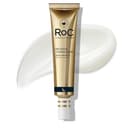
RoC Retinol Correxion Deep Wrinkle Night Cream

RoC Retinol Correxion Deep Wrinkle Night Cream

The drugstore retinol cream shoppers keep coming back to — retinol carried in a moisturizing cream, which works for dry, mature skin that finds serums too parching.

Best cream format
$21.97 · View on Amazon

Price as of July 19, 2026. #ad How we’re funded

The picks in full

#1Best overall for beginners

The Ordinary Retinol 0.5% in Squalane

About as transparently labeled as retinol gets: a precise 0.5% suspended in squalane, priced so cheaply that easing in slowly costs you nothing. For most people, this is the right first bottle.

Strengths

  • The 0.5% figure is printed on the label, something the vast majority of drugstore retinols never disclose
  • Its squalane carrier seals the skin and softens the sting
  • Sold in 0.2%, 0.5% and 1% versions, letting you climb strengths on purpose

Trade-offs

  • It's straight retinol in a waterless oil, with no calming extras thrown in
  • Layered over other oils, the squalane finish can turn heavy
Key activeRetinol
Stated concentration0.5%
FormatLightweight oil serum
Fragrance-freeYes
Best forNormal, Dry, Not-too-sensitive

Formulation note. Retinol suspended in squalane with no water phase, which sidesteps the pH and packaging headaches vitamin C demands. Having the percentage right there on the label is the exception rather than the norm.

Ingredients and claims read from the product listing, on July 18, 2026. “Not published” means the brand does not state that figure.

#2Best gentle on-ramp

Naturium Retinol Complex Serum

Mixes encapsulated retinol with bakuchiol, a botanical with some retinol-like research behind it, to ease the break-in period. A sensible middle-of-the-road choice, minus a stated retinol dose.

Strengths

  • The bakuchiol pairing is meant to blunt early irritation
  • Encapsulated retinols meter out the release more slowly
  • Priced low for what it is

Trade-offs

  • The retinol percentage stays unpublished
  • Bakuchiol rests on a thinner body of evidence than retinol, so lean on it as a helper, not a stand-in
Key activeRetinol + bakuchiol
Stated concentrationNot published
FormatLightweight serum
Fragrance-freeYes
Best forNormal, Combination, Cautious beginners

Formulation note. Encapsulated retinols plus bakuchiol. A handful of studies back bakuchiol, but nowhere near retinol's track record, so we frame it as a sidekick rather than a peer.

Ingredients and claims read from the product listing, on July 18, 2026. “Not published” means the brand does not state that figure.

#3Best on a budget

CeraVe Resurfacing Retinol Serum

Encapsulated retinol paired with ceramides and licorice root, pointed at post-acne marks more than lines. It's mild, barrier-kind and inexpensive, though the dose is never named.

Strengths

  • Ceramides and niacinamide prop up the barrier while the retinol does its job
  • The encapsulated form is easier on touchy skin
  • Among the cheapest legitimate retinol serums going

Trade-offs

  • The concentration goes undisclosed
  • It's pitched at marks rather than deep wrinkles, so calibrate your hopes
Key activeEncapsulated retinol
Stated concentrationNot published
FormatFluid lotion-serum
Fragrance-freeYes
Best forAcne-prone, Normal, Sensitive

Formulation note. Encapsulated retinol with three essential ceramides, niacinamide and licorice root extract. That ceramide load is what keeps it wearable, while the retinol strength stays off the label.

Ingredients and claims read from the product listing, on July 18, 2026. “Not published” means the brand does not state that figure.

#4Best for sensitive skin

La Roche-Posay Pure Retinol Face Serum (B3 + HA)

Combines pure retinol with niacinamide and hyaluronic acid, baking the anti-flaking buffer into the bottle instead of leaving you to layer it on. Of the genuine retinols here, this is the mildest.

Strengths

  • Niacinamide, glycerin and hyaluronic acid take the edge off retinol's dryness
  • No added fragrance, from a label that made its name on easily-irritated skin
  • A comfortable texture that sits neatly beneath a moisturizer

Trade-offs

  • The retinol percentage isn't disclosed, so you're taking the brand at its word
  • One of the costlier choices here, and for a strength it won't name
Key activeRetinol
Stated concentrationNot published
FormatSilky lotion-serum
Fragrance-freeYes
Best forSensitive, Dry, Normal

Formulation note. Retinol alongside niacinamide (vitamin B3) and hyaluronic acid. The supporting cast is the real draw, since the retinol dose goes unstated — a gap we point out instead of filling with a guess.

Ingredients and claims read from the product listing, on July 18, 2026. “Not published” means the brand does not state that figure.

#5Best cream format

RoC Retinol Correxion Deep Wrinkle Night Cream

The drugstore retinol cream shoppers keep coming back to — retinol carried in a moisturizing cream, which works for dry, mature skin that finds serums too parching.

Strengths

  • Delivering retinol in an emollient cream treats dry skin more kindly
  • A long history and easy to find anywhere
  • Cheap enough to use as a nightly retinol

Trade-offs

  • No concentration is disclosed
  • It's fragranced, worth weighing if your skin reacts easily
Key activeRetinol
Stated concentrationNot published
FormatRich night cream
Fragrance-freeNo
Best forDry, Mature

Formulation note. Retinol in a moisturizing cream base. The added fragrance keeps it off our sensitive-skin list, but the cream format is precisely what makes it appealing for dry skin.

Ingredients and claims read from the product listing, on July 18, 2026. “Not published” means the brand does not state that figure.

How to choose your first retinol

Match the bottle to your skin’s patience, not to a marketing promise. If you have never used a retinoid, a stated low strength (roughly 0.2–0.5%) is plenty to start seeing smoother texture over a couple of months, and it gives your skin room to adapt without a peeling phase that scares you off. Prefer a base that is doing supportive work: squalane, ceramides, and niacinamide all soften the landing. If a label refuses to name a percentage, that is not automatically a dealbreaker for a gentle cream, but we treat it as a caveat rather than a feature.

Cost-per-use beats the sticker price

Retinol is the rare active where cheap and excellent overlap. Because you use a pea-sized amount two or three nights a week, one small bottle can last months — so the number that matters is cost per use, not the price on the box. A stated 0.5% in squalane can come in at pennies per application, while a prestige jar with an unstated dose might cost many times more for no clearer benefit. Do the math on how long a bottle lasts before you assume pricier means stronger.

Using it without the flaking

Apply a pea-sized amount to dry skin at night, two or three times a week to start, then moisturize on top. Expect a short adjustment period; if your skin gets raw or peels, drop the frequency rather than quitting the habit. Retinol makes skin more sensitive to the sun, so a daily sunscreen is part of the deal, not optional. And in your first weeks, keep retinol away from exfoliating acids and benzoyl peroxide on the same night — our layering guide shows what plays nicely together and what to alternate.

Frequently asked questions

What retinol strength should a complete beginner use?

A clearly stated low strength, roughly 0.2 to 0.5 percent, in a cushioning base. Starting low lets your skin build tolerance and avoids the flaking that makes people give up. You can step up to a higher strength later once nightly use feels comfortable.

How long before a beginner retinol shows results?

Give it eight to twelve weeks of consistent use before you judge it. Faster cell turnover and smoother texture come first; evening of tone and softening of fine lines build over several months. Consistency matters far more than strength at this stage.

Is a retinol cream or a serum better for beginners?

Either works. A cream combines your retinol and moisturizer in one step, which some beginners find simpler and more comfortable, while a serum lets you control the moisturizer separately. Pick the format you will actually reach for every other night.

Do I really need sunscreen with a beginner retinol?

Yes. Retinol increases sun sensitivity and sun exposure undoes the tone and texture work you are putting in. A daily broad-spectrum sunscreen protects both your skin and your results, so treat it as half of the routine rather than an optional add-on.

Sources

Keep reading