Actives & Acids

Best Retinol for Sensitive Skin

Buffered bases, encapsulated delivery and fragrance-free formulas — the retinols least likely to leave reactive skin red, tight and flaking.

By Stephen V.Last updated How we pick

“Sensitive skin” and “retinol” sound like a contradiction, and plenty of people have been told to give up on the ingredient entirely. That advice is usually wrong. Most retinol failures are not an allergy or an intolerance — they are a dose problem, a frequency problem, or a formula that pairs a potent active with fragrance and an unbuffered base. Fix those and a lot of reactive skin gets along with retinol perfectly well.

So this list is ranked on the three things that genuinely change how hard a retinol lands. Buffering: is there niacinamide, hyaluronic acid, squalane or a ceramide in the formula pulling in the opposite direction to the dryness? Delivery: is the retinol encapsulated or suspended in an oil, so it releases more slowly instead of all at once? Fragrance:is it left out, since added fragrance is the most common avoidable irritant in a leave-on product? Stated strength still matters — a low, knownfigure beats an unknown one — but for reactive skin the base is the deciding factor. We have not tested these; we read the formulations against the published retinoid evidence.

How this is funded:we earn a commission if you buy through our links, at no extra cost to you. It never changes which product we recommend, and we’ll tell you when we’d skip one. Full disclosure.

Quick picks

Ranked on formulation, stated concentration and buyer fit. Select a row to jump to the full write-up. We have not tested these products — here is exactly what we do instead.

#ProductBest forPrice
1
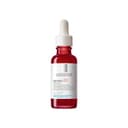
La Roche-Posay Pure Retinol Face Serum (B3 + HA)

La Roche-Posay Pure Retinol Face Serum (B3 + HA)

Combines pure retinol with niacinamide and hyaluronic acid, baking the anti-flaking buffer into the bottle instead of leaving you to layer it on. Of the genuine retinols here, this is the mildest.

Best overall for reactive skin
$44.99 · View on Amazon

Price as of August 30, 2026. #ad How we’re funded

2
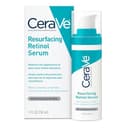
CeraVe Resurfacing Retinol Serum

CeraVe Resurfacing Retinol Serum

Encapsulated retinol paired with ceramides and licorice root, pointed at post-acne marks more than lines. It's mild, barrier-kind and inexpensive, though the dose is never named.

Best encapsulated formula
$16.49 · View on Amazon

$21.9925% off

Price as of August 30, 2026. #ad How we’re funded

3
Naturium Retinol Complex Serum

Naturium Retinol Complex Serum

Mixes encapsulated retinol with bakuchiol, a botanical with some retinol-like research behind it, to ease the break-in period. A sensible middle-of-the-road choice, minus a stated retinol dose.

Best gentle introduction
$14.69 · View on Amazon

$20.9930% off

Price as of August 30, 2026. #ad How we’re funded

4
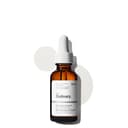
The Ordinary Retinol 0.5% in Squalane

The Ordinary Retinol 0.5% in Squalane

About as transparently labeled as retinol gets: a precise 0.5% suspended in squalane, priced so cheaply that easing in slowly costs you nothing. For most people, this is the right first bottle.

Best stated low dose
$9.30 · View on Amazon

Price as of August 30, 2026. #ad How we’re funded

5
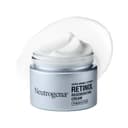
Neutrogena Rapid Wrinkle Repair Retinol Face Moisturizer (Fragrance-Free)

Neutrogena Rapid Wrinkle Repair Retinol Face Moisturizer (Fragrance-Free)

The mass-market retinol cream that got right the two things that matter most for tolerance: hyaluronic acid in the base and no added fragrance. The dose stays unpublished, which is the trade you are making.

Best fragrance-free cream
$24.97 · View on Amazon

Price as of August 30, 2026. #ad How we’re funded

The picks in full

#1Best overall for reactive skin

La Roche-Posay Pure Retinol Face Serum (B3 + HA)

Combines pure retinol with niacinamide and hyaluronic acid, baking the anti-flaking buffer into the bottle instead of leaving you to layer it on. Of the genuine retinols here, this is the mildest.

Strengths

  • Niacinamide, glycerin and hyaluronic acid take the edge off retinol's dryness
  • No added fragrance, from a label that made its name on easily-irritated skin
  • A comfortable texture that sits neatly beneath a moisturizer

Trade-offs

  • The retinol percentage isn't disclosed, so you're taking the brand at its word
  • One of the costlier choices here, and for a strength it won't name
Key activeRetinol
Stated concentrationNot published
FormatSilky lotion-serum
Fragrance-freeYes
Best forSensitive, Dry, Normal

Formulation note. Retinol alongside niacinamide (vitamin B3) and hyaluronic acid. The supporting cast is the real draw, since the retinol dose goes unstated — a gap we point out instead of filling with a guess.

Ingredients and claims read from the product listing, on July 18, 2026. “Not published” means the brand does not state that figure.

#2Best encapsulated formula

CeraVe Resurfacing Retinol Serum

Encapsulated retinol paired with ceramides and licorice root, pointed at post-acne marks more than lines. It's mild, barrier-kind and inexpensive, though the dose is never named.

Strengths

  • Ceramides and niacinamide prop up the barrier while the retinol does its job
  • The encapsulated form is easier on touchy skin
  • Among the cheapest legitimate retinol serums going

Trade-offs

  • The concentration goes undisclosed
  • It's pitched at marks rather than deep wrinkles, so calibrate your hopes
Key activeEncapsulated retinol
Stated concentrationNot published
FormatFluid lotion-serum
Fragrance-freeYes
Best forAcne-prone, Normal, Sensitive

Formulation note. Encapsulated retinol with three essential ceramides, niacinamide and licorice root extract. That ceramide load is what keeps it wearable, while the retinol strength stays off the label.

Ingredients and claims read from the product listing, on July 18, 2026. “Not published” means the brand does not state that figure.

#3Best gentle introduction

Naturium Retinol Complex Serum

Mixes encapsulated retinol with bakuchiol, a botanical with some retinol-like research behind it, to ease the break-in period. A sensible middle-of-the-road choice, minus a stated retinol dose.

Strengths

  • The bakuchiol pairing is meant to blunt early irritation
  • Encapsulated retinols meter out the release more slowly
  • Priced low for what it is

Trade-offs

  • The retinol percentage stays unpublished
  • Bakuchiol rests on a thinner body of evidence than retinol, so lean on it as a helper, not a stand-in
Key activeRetinol + bakuchiol
Stated concentrationNot published
FormatLightweight serum
Fragrance-freeYes
Best forNormal, Combination, Cautious beginners

Formulation note. Encapsulated retinols plus bakuchiol. A handful of studies back bakuchiol, but nowhere near retinol's track record, so we frame it as a sidekick rather than a peer.

Ingredients and claims read from the product listing, on July 18, 2026. “Not published” means the brand does not state that figure.

#4Best stated low dose

The Ordinary Retinol 0.5% in Squalane

About as transparently labeled as retinol gets: a precise 0.5% suspended in squalane, priced so cheaply that easing in slowly costs you nothing. For most people, this is the right first bottle.

Strengths

  • The 0.5% figure is printed on the label, something the vast majority of drugstore retinols never disclose
  • Its squalane carrier seals the skin and softens the sting
  • Sold in 0.2%, 0.5% and 1% versions, letting you climb strengths on purpose

Trade-offs

  • It's straight retinol in a waterless oil, with no calming extras thrown in
  • Layered over other oils, the squalane finish can turn heavy
Key activeRetinol
Stated concentration0.5%
FormatLightweight oil serum
Fragrance-freeYes
Best forNormal, Dry, Not-too-sensitive

Formulation note. Retinol suspended in squalane with no water phase, which sidesteps the pH and packaging headaches vitamin C demands. Having the percentage right there on the label is the exception rather than the norm.

Ingredients and claims read from the product listing, on July 18, 2026. “Not published” means the brand does not state that figure.

#5Best fragrance-free cream

Neutrogena Rapid Wrinkle Repair Retinol Face Moisturizer (Fragrance-Free)

The mass-market retinol cream that got right the two things that matter most for tolerance: hyaluronic acid in the base and no added fragrance. The dose stays unpublished, which is the trade you are making.

Strengths

  • Fragrance-free, which removes the most common avoidable irritant in a retinol cream
  • Hyaluronic acid in the base offsets some of retinol's drying
  • Widely stocked and easy to repurchase

Trade-offs

  • No retinol percentage published anywhere on the listing
  • Costs more per tube than creams that disclose more
Key activeRetinol
Stated concentrationNot published
FormatDaily face cream
Fragrance-freeYes
Best forNormal, Dry, Sensitive-leaning

Formulation note. Retinol with hyaluronic acid in a fragrance-free daily moisturizer. Fragrance-free is the specification that matters most on a product you leave on all night over a retinoid-irritated barrier — arguably more than the missing percentage, because tolerance is what limits your dose either way.

Ingredients and claims read from the product listing, on August 19, 2026. “Not published” means the brand does not state that figure.

How to choose a retinol when your skin reacts to everything

Work in this order. First, rule out added fragrance— it is the most common trigger in leave-on skincare and it contributes nothing to the result. Second, look for a buffer in the ingredient list: niacinamide is the best-evidenced partner for retinol because it supports the barrier and calms redness, and hyaluronic acid, glycerin, squalane and ceramides all help hold water in skin the retinoid is drying out. Third, prefer encapsulated or oil-suspended retinol, which meters the release rather than delivering the whole dose at once. Only after those three does the percentage matter, and then the rule is simple: start at the lowest stated strength you can find and climb later.

Sensitive, sensitized, or just going too fast?

These are three different problems and only one of them is about your skin type. Genuinely sensitiveskin reacts to a lot of things, consistently, and has done for years — it needs the gentlest formula and the slowest ramp. Sensitized skin is temporarily reactive because the barrier is damaged, usually from over-exfoliation or too many actives at once; the fix there is to repair first and reintroduce retinol afterwards, not to buy a gentler retinol. And a great many people who believe they cannot tolerate retinol were simply applying it nightly from day one. If you are not sure which you are, our skin barrier repair guide is the right first stop, and signs of over-exfoliation covers the tell-tales.

The buffering techniques that actually help

Two are worth knowing. The sandwich methodmeans applying a plain moisturizer, then your retinol, then moisturizer again — it slows delivery and noticeably reduces sting, at the cost of some potency, which is a trade worth making while you build tolerance. Short contact means leaving the retinol on for 20 to 30 minutes and then washing it off, which lets very reactive skin meet the ingredient at all. Both are legitimate, both are temporary scaffolding, and both beat the alternative of a full-strength application that makes you quit. Keep frequency low while you use them: two nights a week is a real starting point, not an underachievement.

When to reach for something other than retinol

If you have tried a buffered, fragrance-free, low-dose retinol slowly and your skin still will not have it, the honest answer is to change ingredient rather than keep hunting for a magic formula. Bakuchiolis the usual suggestion, and it is a reasonable one with the caveat we always attach: its evidence base is a fraction of retinol’s, so you are trading proven potency for comfort rather than getting both — see retinol vs bakuchiol for the full reading. Azelaic acid is the other route, and often the better one if your reactivity comes with redness, because it is genuinely gentle and works on tone and texture through a different mechanism. Diagnosed rosacea in particular is a case for azelaic acid and a doctor rather than a retinoid you push through.
Frequently asked questions

Can sensitive skin use retinol at all?

Usually yes. Most people who react to retinol are reacting to the dose, the frequency or the fragrance rather than to the molecule itself. A low stated strength in a buffered, fragrance-free base, used twice a week and built up slowly over months, is tolerable for a large share of reactive skin. Genuinely intolerant skin exists, but it is rarer than the number of people who tried nightly application from day one.

What strength retinol should sensitive skin start with?

The lowest strength that actually tells you what it is. A stated 0.2% or 0.5% is a better starting point than an unlabelled cream, not because it is weaker but because you know where you are and can climb deliberately. Encapsulated formulas at any strength tend to feel milder because the release is slower. Whatever you choose, frequency matters more at the start than concentration.

Does the sandwich method make retinol less effective?

Somewhat, and that is the point. Applying moisturizer under and over the retinol slows how much reaches the skin at once, which reduces both irritation and intensity. For skin that would otherwise abandon retinol, a slightly weaker dose used consistently for months beats a full dose used for two weeks. Drop the bottom layer once your skin settles.

Should I use niacinamide with retinol if my skin is sensitive?

Yes — it is one of the best-supported pairings in skincare for exactly this situation. Niacinamide supports the barrier and calms redness, which counteracts the two things retinol does that make people quit. You can use a formula that includes both, or apply a niacinamide serum first and the retinol on top. There is no conflict between them.

Is retinol or azelaic acid better for sensitive, redness-prone skin?

If redness is your main complaint, azelaic acid is usually the better starting point — it is well tolerated, works on tone and bumps, and is the over-the-counter active with a genuine track record in rosacea. Retinol is the stronger anti-aging option but demands more tolerance. Many people end up using azelaic acid first, then adding a low-dose retinol on separate nights once their skin is calm.

Sources

Keep reading