How to Use Glycolic Acid Without Irritating Your Skin
Glycolic acid is the strongest common AHA, which means results come fast and so does irritation if you rush. Here is the step-by-step way to use it safely.
Glycolic acid is the most-used and strongest of the common alpha hydroxy acids — a small molecule that penetrates fast and resurfaces hard. That’s exactly why it works so well for glow and tone, and exactly why it’s the acid people most often overdo. Used with a little patience it’s one of the most rewarding actives you can add; used impatiently it’s one of the fastest ways to a stinging, compromised barrier. This is how to stay on the right side of that line.
Choose the right strength to start
Glycolic products span a huge range, from gentle tonersand low-percentage leave-ons to high-strength gels and peels. If you’re new to it, start at the lower end— a toner or a 5–7% leave-on — rather than reaching for the strongest bottle on the shelf. You can always climb; you can’t undo a chemical burn on day one. Our best glycolic acid products roundup sorts the options by stated percentage and pH so you can pick a sensible starting point. And because the most-bought bottle in that roundup is also the one people most often overdo, we read it label by label in The Ordinary Glycolic Acid 7% Toner review — including why its 7% at a stated pH of 3.6 is a genuine exfoliant rather than the mild step the word “toner” suggests.
The step-by-step method
1. Patch test
Especially if your skin is sensitive, dab a little on a discreet spot for a few days before going face-wide. Our patch test guide covers how.
2. Apply to clean, dry skin in the evening
Cleanse and let your skin dry fully— applying glycolic to damp skin increases absorption and stinging. Sweep a toner on with a cotton pad, or spread a few drops of a leave-on evenly, keeping it away from the eye area and lips. Evening is the usual slot, since it keeps the acid off your skin during peak sun.
3. Wait, then buffer with moisturizer
Give it a minute or two to absorb, then follow with a plain moisturizer. A brief, mild tingle is normal; a lasting burn means the strength or frequency is too much. If your skin is dry or reactive, you can even moisturize first to buffer the acid.
4. Build up slowly
Begin at two to three evenings a week and only increase once your skin is comfortable. Most people never need more than that. Our how often to exfoliate guide has the cadence by skin type.
5. Wear sunscreen every morning
This is the rule you can’t skip. Glycolic acid raises sun sensitivity, so daily broad-spectrum SPFprotects both your skin and the results you’re working for.
What not to do
A few habits turn glycolic acid from a helper into a problem. Don’t stack it with retinolon the same night when you’re starting out — alternate evenings instead. Don’t layer multiple acidsat once chasing faster results. Don’t scrubas well — chemical and physical exfoliation together is how barriers break. And don’t assume more frequency equals more benefit; past a point, it just equals irritation. If you already feel tight, shiny-red or stingy, read signs of over-exfoliation before your next application.
Who should pick a gentler acid instead
If your skin is sensitive, reactive or new to actives, glycolic acid may simply be more than you need. A gentler AHA like mandelic or lactic acid delivers a milder version of the same benefits with far less risk, and a sensitive-skin exfoliantroundup can point you to one. There’s no prize for using the strongest acid — the best one is the one your skin tolerates consistently.
The bottom line
Glycolic acid rewards a slow, deliberate approach: start low, apply to dry skin at night, buffer with moisturizer, build frequency gradually, and wear sunscreen every day. Do that, and you get the glow and even tone glycolic is known for without the irritation that gives acids a bad name. Ready to choose one? See our best glycolic acid products.
General guidance, not medical advice. Actives & Acids is written by a skincare enthusiast, not a dermatologist. For a diagnosis, a reaction, or a prescription active like tretinoin, see a qualified professional. Introduce any new active slowly and patch-test first.
Small things that make this easier
Ordinary supplies, not treatments. Nothing here changes what an active does — these are just the things the steps above assume you already have.
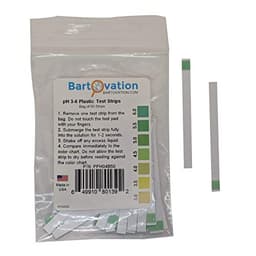
Bartovation
Short-range pH strips (3–6)
Leave-on acids do their work in a narrow pH window, and most brands never publish theirs. A short-range 3–6 strip can actually resolve that window; the 0–14 litmus paper sold for pools and aquariums cannot. Dip it in the product, not on your skin.
Price as of October 15, 2026. #ad How we’re funded
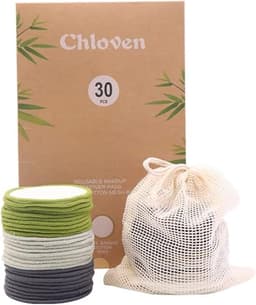
Chloven
Reusable cotton rounds (30-pack)
Every acid-toner step on this site starts with “sweep it on with a cotton pad.” Washable rounds do that without a bin bag of disposables a month, and a soft round is kinder than a coarse one on skin you have just exfoliated.

Ztomine
Terry spa headbands (set of 2)
Nothing clever: it keeps your hairline out of a leave-on acid, and the acid out of your hairline. Useful, not transformative — we are not going to pretend otherwise.
Price as of October 15, 2026. #ad How we’re funded
Frequently asked questions
How often should you use glycolic acid?
For most people, two to three times a week is the sweet spot, starting at the lower end and building up only as your skin tolerates it. Sensitive skin may want to stay at once or twice a week or step down to a gentler acid. More is not better with glycolic acid - overusing it damages the barrier, which shows up as stinging, tightness and redness. Consistency at a comfortable cadence beats aggressive use.
Should glycolic acid go on wet or dry skin?
Dry skin. Applying glycolic acid to damp skin can increase how much penetrates and how much it stings, which raises the risk of irritation. Cleanse, let your skin dry fully, then apply. This matters more for higher-strength leave-on products than for a low-percentage toner, but drying first is the safe default in every case.
Can I use glycolic acid with retinol or vitamin C?
Be cautious. Stacking glycolic acid with retinol on the same night is a common cause of irritation, so most people alternate them on different evenings. Vitamin C is usually a morning step and glycolic an evening one, which keeps them apart naturally. When you're starting a new acid, keep the rest of your routine simple until you know how your skin responds - our layering guide covers what to keep separate.
Do I really need sunscreen with glycolic acid?
Yes, without exception. The FDA notes that alpha hydroxy acids like glycolic can increase the skin's sensitivity to the sun, and that sensitivity can persist. Beyond protecting against burning, sunscreen preserves the tone and texture benefits you're using glycolic acid to gain - unprotected sun works directly against them. Wear broad-spectrum SPF every morning, whether or not you used the acid the night before.
Sources
- U.S. FDA — Alpha Hydroxy Acids — FDA on AHAs and increased sun sensitivity (accessed July 17, 2026)
- Chemical Peels for Skin Resurfacing — StatPearls (NCBI Bookshelf) — Reference overview of AHA/BHA exfoliation mechanisms (accessed July 17, 2026)
Keep reading
Glycolic acid for scalp flaking
What changes when you move the same toner from your face to your parting.
Read the guideBest glycolic acid products
Toners, gels and high-strength AHAs compared on stated percentage, pH and cost-per-mL.
See the picksThe Ordinary Glycolic Acid 7% Toner review
The bottle most people start with, read off its 42-ingredient label — the published pH, the consumer AHA limits it sits between, and the skin the brand itself warns off.
Read the reviewHow often should you exfoliate?
The cadence that gets results without wrecking your barrier, by skin type.
Read the guideSigns of over-exfoliation
Glycolic acid is easy to overdo. Here's how to spot a compromised barrier and recover.
Read the guideGlycolic acid vs salicylic acid
Which acid your skin actually needs - glow and tone versus blackheads and oil.
Read the comparisonGlycolic acid for keratosis pilaris
Taking the same acid to the bumps on arms and thighs, and why scrubbing makes them worse.
Read the guideGlycolic acid for armpits
The same method under the arm, where the skin is thinner, shaved and folded — the extra rules that apply.
Read the guideNiacinamide and glycolic acid
Adding niacinamide to this routine: order, timing and the three ways to combine them.
Read the guide