Azelaic Acid for Melasma
The American Academy of Dermatology names azelaic acid as a gentler topical for melasma, and it is one of the few that stays on the table during pregnancy. The strengths, the honest timeline, and the reason the sunscreen matters more than the serum.
How this is funded: we earn a commission if you buy through our links, at no extra cost to you. It never changes which product we recommend, and we’ll tell you when we’d skip one. Full disclosure.
The short answer: azelaic acid is a reasonable, low-irritation topical for melasma, and the American Academy of Dermatology names it among the treatments — specifically as a gentler option next to hydroquinone, tretinoin with a mild corticosteroid, the triple-combination cream, kojic acid and vitamin C. What it is not is fast or sufficient on its own. The AAD puts melasma results at 3 to 12 months and says moderate or severe cases usually need two or more therapies combined — and nothing you apply will outrun unprotected sun exposure, because sunlight is what makes the skin produce the pigment in the first place.
Melasma is not the same thing as dark spots
This distinction decides everything that follows. Melasma is symmetrical patches of darker pigment, typically on the cheeks, forehead, upper lip or jawline, driven by a combination of UV exposure and hormones — pregnancy and birth control pills are both recognized triggers. It is stubborn, it recurs, and the AAD is blunt that while melasma triggered by a pregnancy or a medication may fade once that ends, otherwise it can last years or a lifetime.
Post-inflammatory hyperpigmentation is a different problem: discrete marks left where the skin was inflamed by a spot, a cut or a burn, which fade on their own over months. Most “dark spot” advice is written for that, and it is more optimistic than melasma deserves. If what you have is post-acne marks, read azelaic acid for hyperpigmentation instead — the product advice overlaps, the expectations do not. A dermatologist can tell the two apart with a Wood’s lamp or a dermatoscope, which is also how they judge how deep the pigment goes.
Where azelaic acid fits among the options
The AAD’s treatment page frames topical lightening agents as first-line therapy for mild melasma, with moderate-to-severe cases typically needing a combination of two or more approaches — adding chemical peels, microneedling or light- and laser-based treatments, and sometimes oral tranexamic acid. Within the topicals, hydroquinone and the triple-combination cream are the heavyweights and both are prescription decisions. Azelaic acid is on the list as the gentler option, and the published pharmacological review of azelaic acid covers its action on pigmentation alongside its better-known effects on inflammation and acne.
Two things make it attractive for melasma in practice. It is well tolerated relative to the alternatives, which matters for a condition treated over months rather than weeks. And it is one of the few pigment actives generally kept available during pregnancy, when hydroquinone and retinoids come off the table — a genuinely common situation, given that pregnancy is one of melasma’s main triggers. That is still a conversation for your own doctor or midwife, not a web page.
10%, 15% or 20%: what the strengths mean
Here is the honest accounting. The two FDA-approved azelaic acid products in the US are a 15% gel, approved for the inflammatory papules and pustules of mild-to-moderate rosacea, and a 20% cream, approved for mild-to-moderate inflammatory acne. Neither is approved for melasma; using azelaic acid for pigment is off-label, which is normal in dermatology and worth knowing all the same. Everything you can buy over the counter, including all three products on our shelf, is at 10% — below both prescription strengths, with no trial of a 10% formula for melasma to cite.
The prescription labels are still useful for calibration, because they tell you what this molecule does to skin at higher strengths. The 15% gel’s two identical 12-week trials in 664 rosacea patients reported burning, stinging or tingling in 16% of patients as mild, 9% as moderate and 4% as severe, against 2% mild on vehicle. The 20% cream’s label reports itching, burning, stinging and tingling in roughly 1 to 5% of patients — and states plainly that the exact mechanism of action is not known. A 10% over-the-counter version should sting less than either. That is the trade you are making: better tolerated, less potent, unproven at this strength for this condition.
One further distinction matters when you compare bottles. Two of the three products on our shelf contain free azelaic acid; the third uses potassium azeloyl diglycinate, a glycinated derivative, which is water-soluble and much pleasanter to wear but is not the same molecule the prescription data was generated with. We say so on the product and in the pick below rather than letting “10%” imply equivalence.
The sunscreen is the treatment
If you take one thing from this page, take this. The AAD states that sunlight causes the skin to make more pigment, which can darken existing melasma and cause new patches, and that treating the pigment without photoprotection tends to fail because sun exposure is a main reason melasma recurs. Its recommendation is specific: a sunscreen containing zinc oxide, titanium dioxide or iron oxide, at SPF 30 or higher, applied throughout the day.
That is a narrower recommendation than “wear sunscreen”, and it is why a mineral sunscreen is among the picks on this page. The iron oxides in tinted mineral formulas are the component associated with protection against visible light, which is relevant to melasma in a way it is not for most concerns. Reapplication is the part people skip; the AAD’s sunscreen-label guidance is worth five minutes if the numbers confuse you. A hat and shade do real work too.
How we would run it
Azelaic acid twice daily, morning and night, which is how both prescription labels are dosed. A pea-sized amount for the whole face if you are using the silicone suspension — over-application is the cause of the pilling complaint, as our review of that formula explains. Moisturizer after. Mineral sunscreen every morning, reapplied. Then leave it alone for three months: photograph your face monthly in the same light, and judge from the photographs.
Resist stacking. A melasma routine that adds an acid exfoliant, a vitamin C, a retinoid and azelaic acid in the same fortnight produces irritation, and inflammation is itself a pigment trigger in melasma-prone skin. If you want to add something, vitamin C in the morning is the sensible second active — the sequencing is in vitamin C and azelaic acid. And if three months of a consistent routine has not moved it, that is the point to see a dermatologist rather than to buy a fourth serum: the prescription topicals, peels and laser options are a real escalation path, and melasma is one of the conditions where professional treatment genuinely outperforms the shelf.
General guidance, not medical advice. Actives & Acids is written by a skincare enthusiast, not a dermatologist. For a diagnosis, a reaction, or a prescription active like tretinoin, see a qualified professional. Introduce any new active slowly and patch-test first.
What we'd actually buy
Chosen from the same registry as our roundups, on published formulation facts rather than hands-on testing — here is exactly what we do instead.
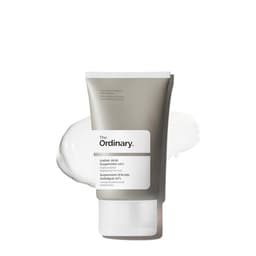
The Ordinary
Azelaic Acid Suspension 10%
The cheapest way to put free azelaic acid on your face twice a day, at a stated 10%, fragrance-free and brand-stated pH 4.00 to 5.00. The silicone suspension is the complaint people have with it, and a pea-sized amount is the fix. The right first bottle for a months-long routine where cost per day is the deciding factor.
Read the full reviewPrice as of October 5, 2026. #ad How we’re funded
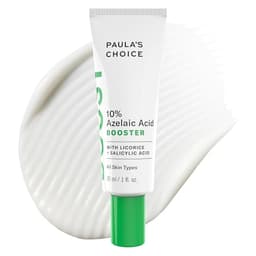
Paula's Choice
BOOST 10% Azelaic Acid Booster
The same stated 10% in a smoother booster that layers under a moisturizer without pilling, and it can be mixed into one. Premium-priced, and that premium is texture rather than strength — worth it if the suspension is what makes you abandon the routine.
See it ranked in fullPrice as of October 5, 2026. #ad How we’re funded
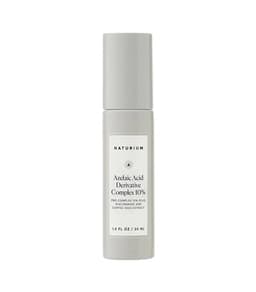
Naturium
Azelaic Acid Derivative Complex 10%
Not free azelaic acid: the active here is potassium azeloyl diglycinate, a water-soluble azelaic DERIVATIVE, alongside niacinamide and a vitamin C derivative. That makes it the most cosmetically pleasant of the three and the least directly comparable to the prescription data. A reasonable pick if the texture of the others has already defeated you.
See it ranked in fullPrice as of October 5, 2026. #ad How we’re funded
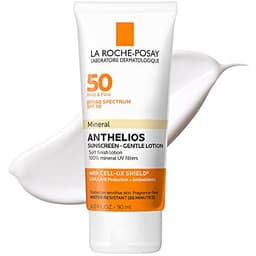
La Roche-Posay
Anthelios Mineral SPF 50 Gentle Lotion
The AAD recommends sunscreen containing zinc oxide, titanium dioxide or iron oxide at SPF 30 or above for melasma specifically. This is the fragrance-free, fully mineral SPF 50 on our shelf — and for melasma it is doing more work than any serum in this list.
See the sunscreens rankedFrequently asked questions
Does azelaic acid work for melasma?
It is one of the topicals the AAD names for melasma, described as a gentler option alongside hydroquinone, tretinoin with a mild corticosteroid, the triple-combination cream, kojic acid and vitamin C. The published review of azelaic acid covers its action on pigmentation as well as inflammation and acne. What it is not is a quick or complete fix: the AAD puts results at 3 to 12 months, and says moderate-to-severe melasma usually needs two or more therapies combined.
Is 10% azelaic acid strong enough for melasma?
It is below both prescription strengths — the FDA-approved products are a 15% gel (for rosacea) and a 20% cream (for acne) — and there is no trial of a 10% over-the-counter formula for melasma to point at. So 10% is the right molecule at an unproven strength: a reasonable, affordable, low-irritation starting point, not the equivalent of a prescription.
Can I use azelaic acid for melasma during pregnancy?
Azelaic acid is one of the options often kept on the table in pregnancy, when hydroquinone and retinoids are generally avoided — and the AAD notes that melasma triggered by pregnancy may fade on its own once the pregnancy ends. This is a conversation to have with your own doctor or midwife rather than a decision to make from a web page, including about which product and strength.
How long does azelaic acid take to work on melasma?
Expect months. The AAD's own figure for melasma treatment generally is 3 to 12 months to see results. Use it twice daily, photograph your face in the same light every month rather than staring in the mirror daily, and judge at the three-month mark rather than the three-week one.
Is melasma the same as dark spots?
No, and the difference changes the plan. Melasma is symmetrical patches, usually on the cheeks, forehead, upper lip or jawline, driven by a combination of UV exposure and hormones, and it recurs. Post-inflammatory dark spots are discrete marks left where something — a spot, a cut, a burn — inflamed the skin, and they fade on their own over months. Our dark spots and hyperpigmentation page covers the second; this one covers the first.
What sunscreen should I use for melasma?
The AAD is specific: a sunscreen containing zinc oxide, titanium dioxide or iron oxide, at SPF 30 or higher, reapplied through the day. Sunlight makes skin produce more pigment, which darkens existing melasma and creates new patches, and sun protection is also the thing the AAD credits with helping prevent melasma from returning. A tinted mineral sunscreen is a reasonable upgrade, because the iron oxides that provide the tint are the part associated with visible-light protection.
Can I use azelaic acid with vitamin C or niacinamide for melasma?
Yes, and both pairings are reasonable. Vitamin C and niacinamide are each used for uneven tone through different mechanisms, and neither conflicts with azelaic acid in practice despite what some brand conflict lists say. Introduce one at a time so you know what is working and what is stinging.
Sources
- American Academy of Dermatology — Melasma: Diagnosis and treatment — The AAD's patient guidance: topical skin-lightening agents are first-line for mild melasma while moderate-to-severe cases usually need two or more therapies combined; the topicals it names are hydroquinone, tretinoin with a mild corticosteroid, the triple-combination cream, azelaic acid, kojic acid and vitamin C, with azelaic acid named as a gentler option; it recommends sunscreen containing zinc oxide, titanium dioxide or iron oxide at SPF 30 or higher, reapplied through the day, because "sunlight causes the skin to make more pigment, which can darken existing melasma and cause new patches"; it states results usually take 3 to 12 months; and it notes melasma triggered by pregnancy or a medication may fade once that ends, while otherwise it can last years or a lifetime, with sun protection the thing that helps prevent its return (accessed October 5, 2026)
- A Comprehensive Review of Azelaic Acid: Pharmacological Properties, Clinical Applications and Topical Formulations (PMC) — Review of azelaic acid's action on pigmentation, inflammation and acne (accessed August 19, 2026)
- DailyMed — FINACEA (azelaic acid) Gel, 15% prescribing information — The FDA-approved label for the 15% prescription gel: indicated for the inflammatory papules and pustules of mild to moderate rosacea, applied twice daily. Two identical 12-week vehicle-controlled trials in 664 patients reduced inflammatory lesions by 57.9% vs 39.9% and 50.0% vs 38.2%, with investigator-rated success (clear, minimal or mild) of 61% vs 40% and 61% vs 48%. Burning, stinging or tingling was reported by 16% mild / 9% moderate / 4% severe on the drug against 2% mild on vehicle (accessed September 26, 2026)
- DailyMed — AZELEX (azelaic acid) Cream, 20% prescribing information — The FDA-approved label for the 20% prescription cream: indicated for mild-to-moderate inflammatory acne vulgaris, each gram containing 0.2 g azelaic acid, applied twice daily, with improvement in the majority of patients with inflammatory lesions within four weeks. Pruritus, burning, stinging and tingling occur in roughly 1-5% of patients; the label states the exact mechanism of action is not known (accessed September 26, 2026)
- The Ordinary — Azelaic Acid Suspension 10% (official product page) — The brand's own listing: the full eighteen-ingredient list (Aqua, Isodecyl Neopentanoate, Dimethicone, Azelaic Acid, Dimethicone/Bis-Isobutyl PPG-20 Crosspolymer, Dimethyl Isosorbide, Hydroxyethyl Acrylate/Sodium Acryloyldimethyl Taurate Copolymer, Polysilicone-11, Isohexadecane, Tocopherol, Trisodium Ethylenediamine Disuccinate, Isoceteth-20, Polysorbate 60, Triethanolamine, Ethoxydiglycol, Phenoxyethanol, Chlorphenesin), a stated pH of 4.00-5.00, the 30 mL and 100 mL sizes, twice-daily directions with sun protection, the non-comedogenic and alcohol-free claims, the fact that the brand does NOT claim it is silicone-free, and the conflict list (copper peptides, direct acids, direct vitamin C, EUK, niacinamide powder, peptides, retinoids) (accessed September 26, 2026)
- Naturium — Azelaic Acid Derivative Complex 10% (official product page) — The brand's own listing, which names the active as potassium azeloyl diglycinate — a glycinated azelaic acid DERIVATIVE rather than free azelaic acid — alongside niacinamide and ethyl ascorbic acid, in a 30 mL size. Confirms the product formerly sold as 'Azelaic Topical Acid 10%' is a derivative complex (accessed September 26, 2026)
- American Academy of Dermatology — How to decode a sunscreen label — AAD on SPF, broad spectrum and water resistance claims (accessed July 17, 2026)
Keep reading
Azelaic acid for hyperpigmentation
The broader pigment case — post-acne marks and general unevenness rather than melasma specifically.
Read the guideBest azelaic acid products
The three azelaic options on our shelf ranked on stated strength, format and what the active actually is.
See the picksThe Ordinary Azelaic Acid Suspension 10% review
The full label review of the cheapest option, including why the texture divides people.
Read the reviewDark spots and hyperpigmentation
The cross-ingredient plan for uneven tone, with sunscreen at the top of it.
See the hierarchyVitamin C and azelaic acid
Whether to pair them, and how to sequence the two in a morning routine.
Read the guideBest vitamin C serums for dark spots
The daytime half of a pigment routine, ranked on form and stated percentage.
See the picks