Acne Actives
Adapalene, benzoyl peroxide, salicylic and azelaic acid — the ingredients with real acne evidence, how they differ, and how to use them without destroying your barrier.
Acne treatment isn’t about finding one miracle product — it’s about matching the right active to the kind of breakout you’re getting. A few over-the-counter ingredients have genuine evidence behind them: adapalene (a retinoid that keeps pores from clogging in the first place), benzoyl peroxide (which kills the bacteria involved in inflamed acne), salicylic acid (a BHA that clears out congested pores), and azelaic acid (a gentle multitasker for bumps, redness and the marks acne leaves behind).
This hub explains what each one does and how to combine them without frying your skin. Below you’ll find our ranked roundup of OTC acne treatments, a head-to-head on benzoyl peroxide versus salicylic acid, and a full guide to adapalene (Differin) — including the purge and what to actually expect. Start with the roundup if you want to know what to buy, or the comparison if you already have products and aren’t sure which to use for which breakout.
Everything in Acne
Best Over-the-Counter Acne Treatments
Adapalene, benzoyl peroxide, BHA and azelaic acid — the OTC actives that actually clear acne, ranked by evidence.
Our top pick
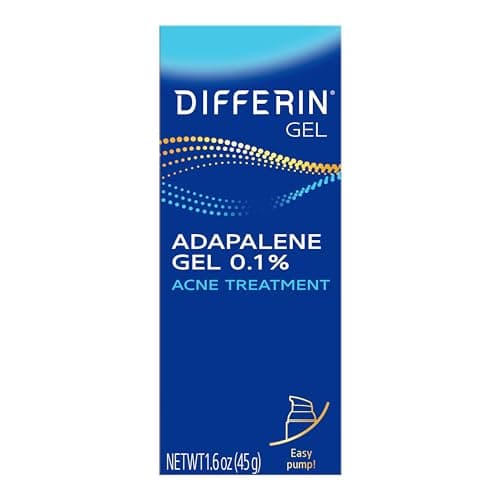
Differin Adapalene Gel 0.1%
$23.97 · View on AmazonPrice as of October 19, 2026. #ad How we’re funded
Benzoyl Peroxide vs Salicylic Acid
Two different jobs — one kills acne bacteria, one clears pores. Which to use for which breakout.
Adapalene (Differin) Guide
The prescription-strength retinoid that went over the counter — how to use it, the purge, and what to expect.
Best Serums for Acne Scars & Marks
The actives with real evidence for post-acne marks — azelaic and vitamin C for discoloration, retinoids for texture.
Our top pick
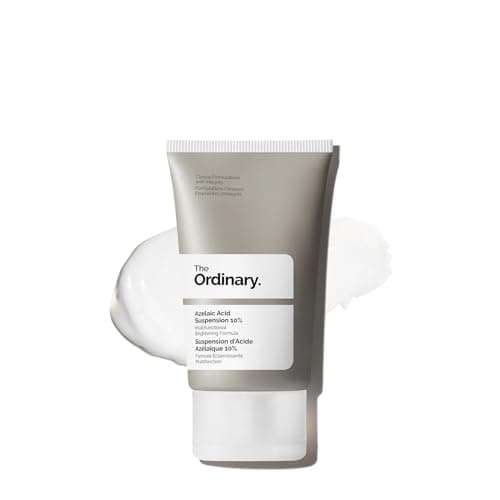
The Ordinary Azelaic Acid Suspension 10%
$12.20 · View on AmazonPrice as of October 19, 2026. #ad How we’re funded
Adapalene vs Tretinoin
The over-the-counter acne retinoid against the prescription one. When adapalene is enough, and when to ask a doctor.
How to Get Rid of Blackheads
Blackheads are oxidized oil in a pore, not dirt — so scrubbing won't fix them. The salicylic-and-retinoid approach that does.
How to Use Benzoyl Peroxide
One of the best-proven acne ingredients, and one of the most drying if misused. How to pick a strength and apply it right.
Adapalene vs Benzoyl Peroxide
Adapalene unclogs pores; benzoyl peroxide kills the bacteria. How to choose between them — or run both together.
Hormonal Acne: What Actives Can Do
Hormonal acne has a driver below the skin, so topicals only go so far. What OTC actives help, and when to see a dermatologist.
Best Benzoyl Peroxide Products
Washes and leave-ons from 2.5% to 10%, ranked on the strength the evidence supports rather than the biggest number on the tube.
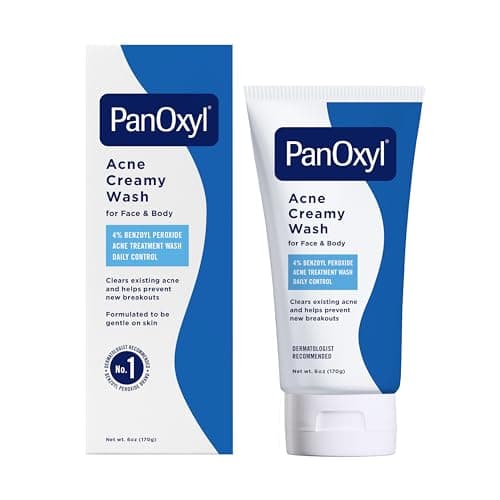
Our top pick
PanOxyl Antimicrobial Acne Creamy Wash (4% Benzoyl Peroxide)
Best Face Wash for Acne
Five cleansers ranked by what a sixty-second wash can honestly do: which active, what strength, and when a plain non-stripping wash beats a medicated one.
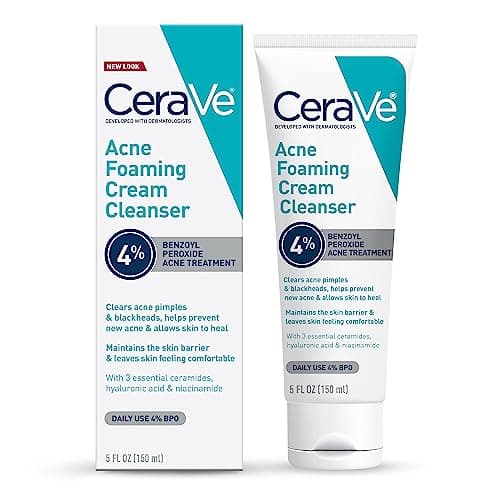
Our top pick
CeraVe Acne Foaming Cream Cleanser (4% Benzoyl Peroxide)
Benzoyl Peroxide for Body Acne
Back, chest and shoulder breakouts respond to benzoyl peroxide better than the face does. The strength, the leave-on time and the laundry rules, from the dermatology guidance.
Best Sunscreen for Acne-Prone Skin
Six sunscreens ranked for skin that breaks out: filter type, finish, fragrance and whether the formula brings anything useful of its own to a face already on actives.
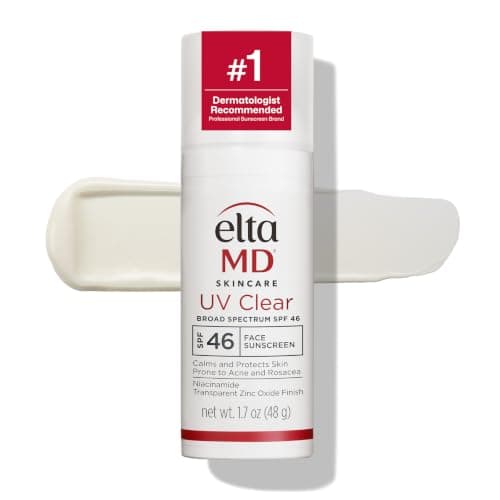
Our top pick
EltaMD UV Clear Broad-Spectrum SPF 46
$46.00 · View on AmazonPrice as of October 19, 2026. #ad How we’re funded
Benzoyl Peroxide and Retinol Together
The deactivation worry is real for one retinoid and not for another, and that single fact decides whether you layer them or alternate nights. The honest schedule either way.
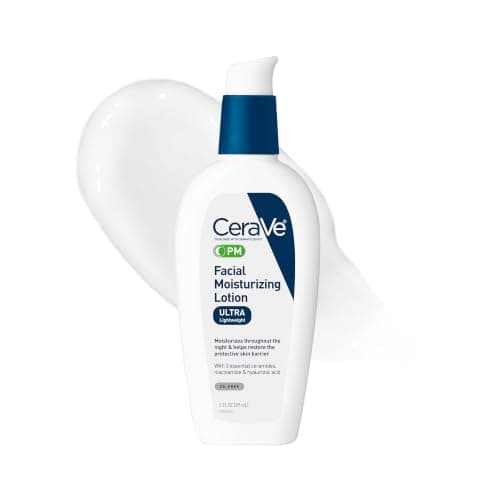
Best Moisturizer for Acne-Prone Skin
Every acne treatment worth using is drying, so the moisturizer decides whether you stay on the treatment. Five ranked on finish first, then on what rides alongside the humectants.
Our top pick
CeraVe PM Facial Moisturizing Lotion
How to choose an acne active
Match the active to the breakout. For blackheads and whiteheads (clogged, non-inflamed pores), a retinoid like adapalene or a BHA like salicylic acid does the most — both keep pores clear. For red, inflamed, pus-filled pimples, benzoyl peroxide targets the bacteria driving the inflammation. For sensitive or easily-irritated skin, or for the brown marks left after a spot heals, azelaic acid is the gentle route in. Our best OTC acne treatments roundup ranks these by evidence, and the adapalene guide covers the one active with prescription-level evidence you can buy over the counter. If you’re torn between two staples, read benzoyl peroxide vs salicylic acid.
What decides the price and the cost-per-mL
Good news: acne actives are some of the cheapest, best-evidenced products in all of skincare. Adapalene 0.1% gel, benzoyl peroxide washes and salicylic acid solutions are inexpensive drugstore staples, and the generic versions work exactly like the name brands because the active ingredient and strength are the same. What you’re really paying a premium for is format and feel — a leave-on gel versus a wash, a lower-irritation base, or added soothers. Because a little goes a long way and you use these daily for months, cost-per-useis what counts, and it’s almost always low. Buy the correct active at the correct strength; you rarely need to spend up.
The mistake buyers make
The classic mistake is going too hard, too fast: starting adapalene nightly, layering it with benzoyl peroxide and an acid, scrubbing on top, and ending up with a raw, peeling, morebroken-out face — then quitting right before it would have worked. Acne actives need patience. Adapalene can trigger a purge and takes eight to twelve weeks to show its real effect; benzoyl peroxide can over-dry if you use too high a strength (a 2.5–5% often matches a 10% with less irritation). Start one active at a time, a few times a week, always pair it with a gentle cleanser and a moisturizer to protect the barrier, and use sunscreen daily. And know when to stop self-treating: deep, painful, scarring cysts are a reason to see a doctor, not to buy a stronger wash.
How to build a simple acne routine
You don’t need a shelf of products — you need a small routine that treats acne without stripping your skin. A solid starting framework is a gentle cleanser (a medicated benzoyl peroxide or salicylic wash if your acne is active, plain and gentle if your treatment is doing the work), one leave-on active matched to your breakout type, an oil-free moisturizer, and daily sunscreen. Introduce the active a few nights a week and build up, rather than going straight to nightly. Resist the urge to also scrub, use a toner, and pile on spot treatments — that combination irritates far more than it clears. And treat the whole area you break out on, not just the visible pimples, because these actives work by preventing the next spot from forming, not just drying out the one you can see today.
Frequently asked questions
What's the most effective over-the-counter acne ingredient?
Adapalene (a retinoid, sold as Differin) has the strongest evidence you can buy without a prescription — it prevents clogged pores and treats inflammation. Benzoyl peroxide, salicylic acid and azelaic acid also have solid evidence; the best one depends on your breakout type.
Should I use benzoyl peroxide or salicylic acid?
Use benzoyl peroxide for red, inflamed pimples — it kills acne bacteria. Use salicylic acid (a BHA) for blackheads and clogged, congested pores — it clears them out. Many people benefit from both, used at different times rather than layered together.
How long do acne treatments take to work?
Give any acne active eight to twelve weeks of consistent use before judging it. Retinoids like adapalene can even cause an initial purge before improvement. Stopping early is the most common reason people think a treatment 'didn't work.'
Can I use adapalene and benzoyl peroxide together?
Yes, and they're a well-studied combination — but introduce them one at a time and don't overdo it, since both can dry and irritate. A common approach is one in the morning and one at night, or alternating nights, always with moisturizer and daily SPF.
Sources
- American Academy of Dermatology — Acne: Diagnosis and treatment — AAD overview of benzoyl peroxide, retinoids, salicylic and azelaic acid for acne (accessed July 17, 2026)
- American Academy of Dermatology — Updated guidelines for the management of acne — AAD 2024 acne management guideline summary (accessed July 17, 2026)
- Guidelines of care for the management of acne vulgaris (PubMed) — 2024 AAD acne guideline of care (accessed July 17, 2026)