By Concern
Start from the problem, not the ingredient: dark spots, aging or sensitive skin. The actives that treat each one, cross-referenced across every acid and vitamin.
Most skincare advice starts with an ingredient and hopes it matches your problem. This hub does the opposite: it starts from the concern you actually have — dark spots and uneven tone, the visible signs of aging, or skin that’s sensitive and reacts to everything — and works back to the small set of actives with real evidence for that goal. The ingredient hubs tell you what each active is; this one tells you which actives to combine for a specific outcome.
Below you’ll find a curated set of products for each concern, drawn from across the whole site: vitamin C, azelaic acid and niacinamide for discoloration; retinol, antioxidants and SPF for aging; and the gentlest possible routes into actives for reactive skin. Pick the concern that sounds most like yours and start there — each page ranks a short, honest list rather than burying you in options.
Everything in By Concern
Best Serums for Dark Spots & Hyperpigmentation
Vitamin C, azelaic acid and niacinamide — the actives with evidence for fading discoloration, plus the SPF that makes them stick.
Our top pick
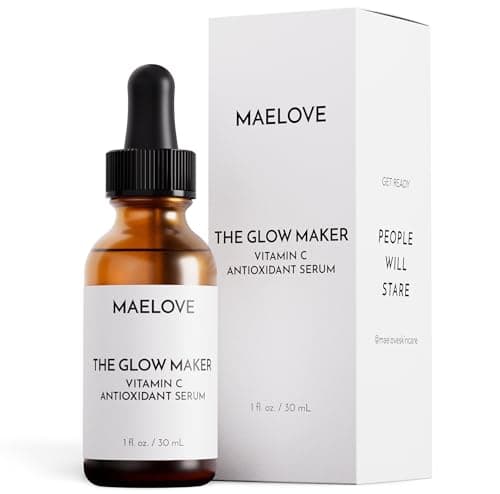
Maelove Glow Maker Vitamin C Serum
$39.90 · View on AmazonPrice as of October 19, 2026. #ad How we’re funded
Best Actives for Aging Skin
Retinol, vitamin C and SPF carry the evidence for aging skin. The five products that matter, and where each fits.
Our top pick
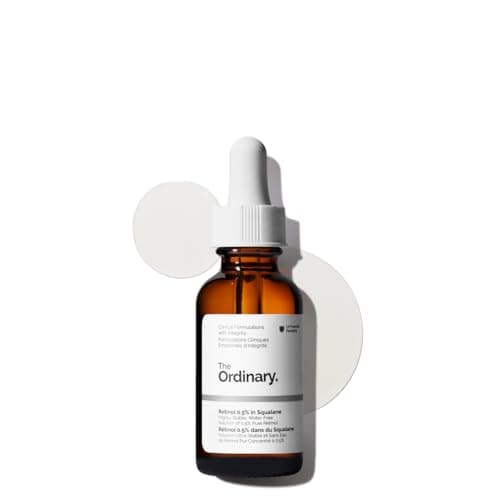
The Ordinary Retinol 0.5% in Squalane
$9.30 · View on AmazonPrice as of October 19, 2026. #ad How we’re funded
Best Actives for Sensitive Skin
The gentlest routes into actives — azelaic and mandelic acid, low-strength niacinamide — for skin that reacts to everything.
Our top pick
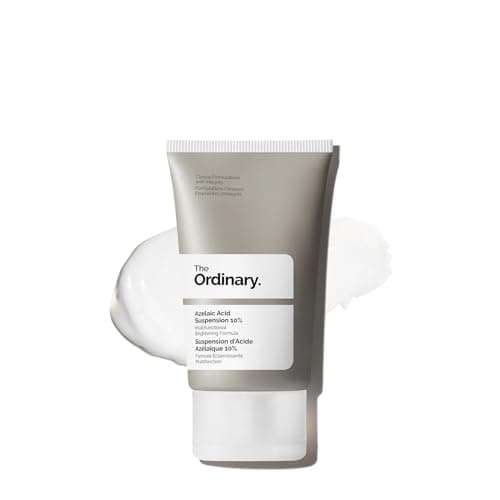
The Ordinary Azelaic Acid Suspension 10%
$12.20 · View on AmazonPrice as of October 19, 2026. #ad How we’re funded
Best Actives for Acne-Prone Skin
Adapalene, benzoyl peroxide, salicylic and azelaic acid — the OTC actives with real acne evidence, matched to your breakout.
Our top pick
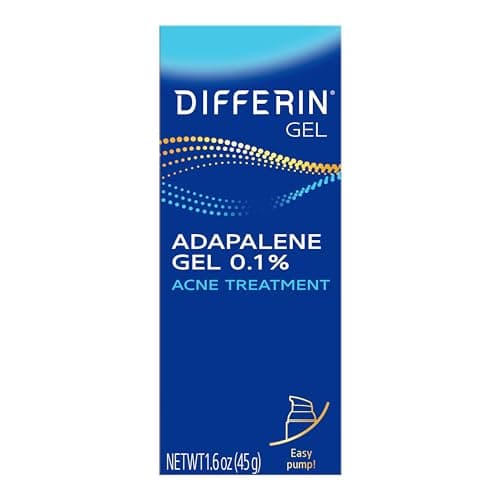
Differin Adapalene Gel 0.1%
$23.97 · View on AmazonPrice as of October 19, 2026. #ad How we’re funded
Best for Dry Skin & Barrier Repair
Layerable hydration and barrier creams that seal it in — the humectants, ceramides and balms that fix tight, flaky skin.
Our top pick
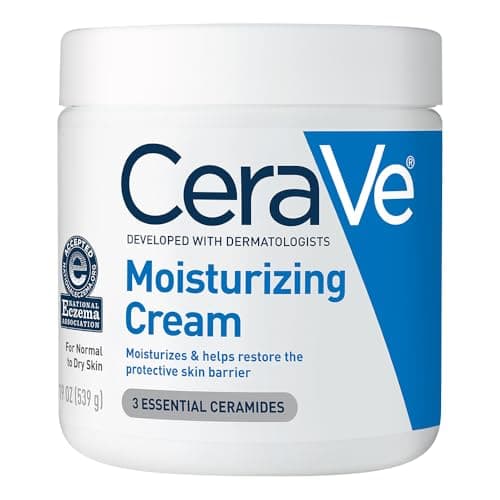
CeraVe Moisturizing Cream
$18.96 · View on AmazonPrice as of October 19, 2026. #ad How we’re funded
Best Actives for Oily Skin
Oil control that doesn't strip — niacinamide to regulate, a BHA to keep pores clear, a gel moisturizer that won't clog.
Our top pick
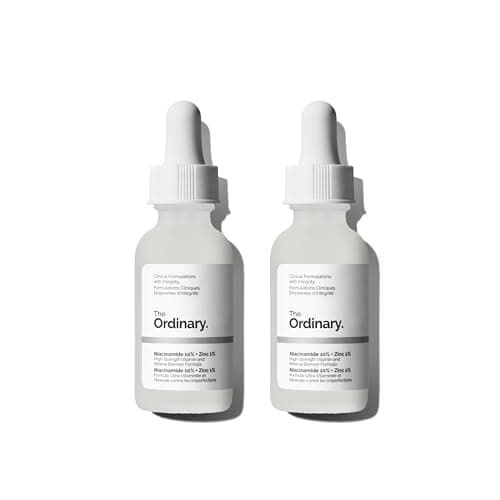
The Ordinary Niacinamide 10% + Zinc 1%
$12.00 · View on AmazonPrice as of October 19, 2026. #ad How we’re funded
Best for Redness & Rosacea-Prone Skin
A gentle, barrier-first routine for redness-prone skin — azelaic acid, a soothing SPF, a ceramide moisturizer and a stripped-back cleanser.
Our top pick
The Ordinary Azelaic Acid Suspension 10%
$12.20 · View on AmazonPrice as of October 19, 2026. #ad How we’re funded
Best Actives for Large Pores
You can't shrink pores for good, but you can refine them — niacinamide, a BHA and a retinol, plus the routine that stops them clogging.
Our top pick
The Ordinary Niacinamide 10% + Zinc 1%
$12.00 · View on AmazonPrice as of October 19, 2026. #ad How we’re funded
Best Actives for Combination Skin
An oily T-zone and drier cheeks need balancing, not blanket-treating — niacinamide, a targeted BHA and a lightweight moisturizer.
Our top pick
The Ordinary Niacinamide 10% + Zinc 1%
$12.00 · View on AmazonPrice as of October 19, 2026. #ad How we’re funded
How to build a routine around your concern
A good targeted routine is usually three or four products, not ten. Pick one hero active for your main concern, add a supporting active that works with it, protect the results with daily sunscreen, and keep the barrier calm with a plain moisturizer. For dark spots and hyperpigmentation, that means a brightening active like vitamin C or azelaic acid plus SPF — because without sun protection, new pigment keeps forming faster than you can fade the old. For aging skin, the evidence points to retinol at night, an antioxidant by day, and sunscreen doing most of the prevention. For sensitive skin, it’s about the gentlest effective version of each — azelaic and mandelic acid, low strengths, and slow introductions.
What decides the price
The single most cost-effective “treatment” for both dark spots and aging is the cheapest one: broad-spectrum sunscreen, used every day. Beyond that, none of the evidence-backed actives here need to be expensive — a stated-strength retinol, a well-formulated vitamin C, or a 10% azelaic acid all come at reasonable prices, and the drugstore versions frequently out-value the prestige ones. When you compare, think in cost-per-mL and how long a bottle lasts at the small daily dose these actives call for. Spending more rarely fixes a concern faster; using the right active consistently, with sunscreen, does.
The mistake buyers make
The big one is treating a concern with more products instead of the right ones — throwing five brightening serums at dark spots while skipping sunscreen, or piling on anti-aging actives faster than skin can tolerate them. That overloads the barrier and often makes the concern look worse. The fix is discipline: one hero active, one supporter, consistent SPF, and time. The second mistake is impatience — pigment and fine lines respond over months, not days, so switching products every two weeks means never giving anything long enough to work. Choose a short routine you can keep up, protect it from the sun, and let it run.
Where the concerns overlap
These three concerns aren’t separate islands, and the overlap is good news because it means a short routine can serve more than one goal. A lot of what people file under aging— dullness, uneven tone, dark spots from years of sun — is really pigmentation, so the vitamin C and azelaic acid that fade dark spots also do quiet anti-agingwork. Sensitive skin isn’t a separate category so much as a constraint: it wants the same evidence-backed actives, just in their gentlest forms and introduced slowly, which is exactly what the sensitive skin page is built around. The through-line for all three is the same: sunscreen protects the results, a calm barrierlets the actives work, and a couple of well-chosen ingredients used consistently beat a cabinet of half-used bottles. Pick the concern that bothers you most, start there, and you’ll usually find you’re helping the others at the same time.
Frequently asked questions
Should I choose products by ingredient or by concern?
By concern first, then ingredient. Decide what you're actually trying to fix — dark spots, aging, sensitivity — and that points you to the small set of actives with evidence for it. Buying interesting ingredients with no target is how routines get bloated and ineffective.
What's the single most important product for dark spots and aging?
Daily broad-spectrum sunscreen. It prevents new pigment and slows visible aging more reliably than any serum, and it protects the results of everything else you use. Skipping it while using brightening or anti-aging actives is working against yourself.
How many active products do I need for one concern?
Usually just three or four total: one hero active for the concern, one supporting active, a moisturizer, and sunscreen. More actives mean more chances to irritate your skin, which often makes a concern look worse rather than better.
How long before I see results for a concern?
Plan on eight to twelve weeks of consistent use for dark spots or aging, sometimes longer for stubborn pigment. Switching products every couple of weeks is the most common reason people feel like nothing works — give a routine time before you change it.
Sources
- American Academy of Dermatology — Skin care basics — AAD consumer guidance on cleansing, moisturizing and sun protection (accessed July 17, 2026)
- American Academy of Dermatology — Should I apply my skin care products in a certain order? — AAD on the order to apply cleanser, treatment, moisturizer and sunscreen (accessed July 17, 2026)
- Vitamin C in dermatology (PMC) — Telang — review of topical vitamin C forms, stability and photoprotection (accessed July 17, 2026)