Skincare Gifts & Deals
Buying skincare for someone else, without knowing the category. Gift guides by who you are shopping for, plus our Black Friday and Cyber Monday page for the people who would rather wait for a price.
Skincare is one of the hardest things to buy for another person, and it is not because the products are complicated. It is because the usual gifting instinct — spend more, buy the fanciest-looking box, pick the thing with the most ingredients on the front — is exactly backwards here. The best gift in this category is frequently a cheap bottle with one active in it and a boring label, and the worst is usually a beautifully packaged set of eight products that will irritate the recipient’s face in week one.
These guides are written for the gifter, not the enthusiast. We assume you don’t know what niacinamide is, that you can’t ask the recipient what they want without ruining the surprise, and that you need to know what to check on a box before you commit. The picks are pulled from the same product research as the rest of the site — same products, same published-ingredient reasoning, same live prices — but the reasoning is re-written around a different question: not “which is best?” but “which is safe to give to someone whose skin I have never seen?”
Everything in Gifts
Best Skincare Gifts for a Beginner
For someone who owns a face wash and nothing else. Five things that are hard to get wrong — and the one popular gift that backfires on a first-timer.
Our top pick
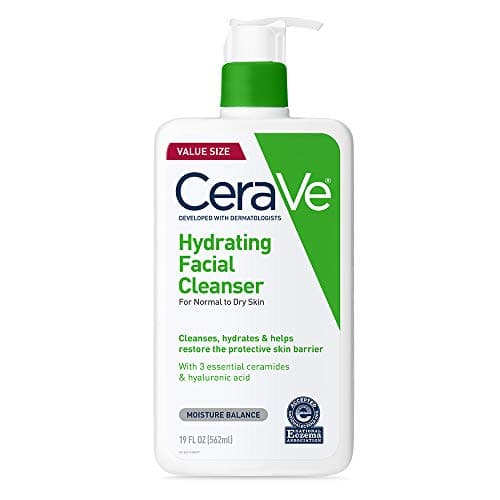
CeraVe Hydrating Facial Cleanser
$16.97 · View on AmazonPrice as of September 19, 2026. #ad How we’re funded
Best Skincare Gifts for Teens
Breakout-prone skin, a small budget and a teenager who will not follow a ten-step routine. What actually helps, and what to leave on the shelf.
Our top pick
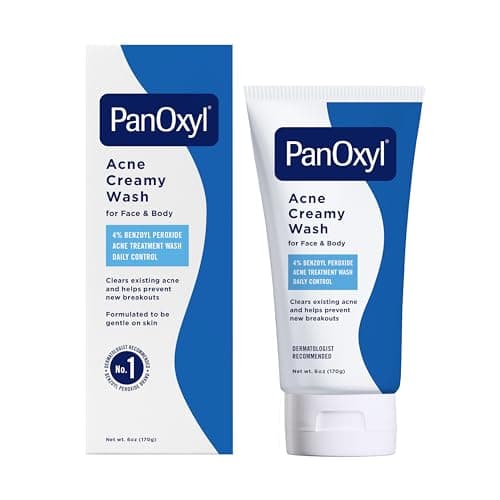
PanOxyl Antimicrobial Acne Creamy Wash (4% Benzoyl Peroxide)
$10.19 · View on AmazonPrice as of September 19, 2026. #ad How we’re funded
Best Skincare Gifts for Men
Three steps, no jargon, nothing that needs explaining. Picks for the person who will use it only if it is genuinely simple.
Our top pick
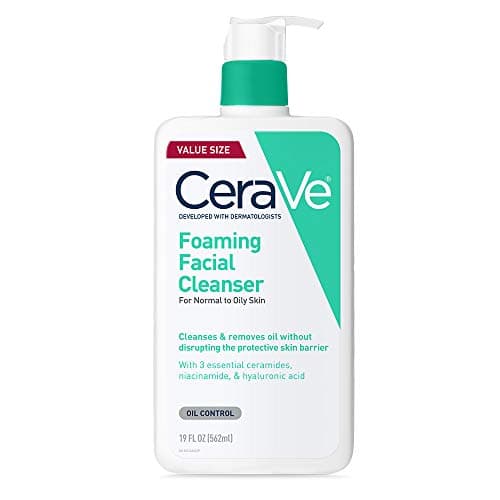
CeraVe Foaming Facial Cleanser
Best Skincare Gifts for Mature Skin
The gift for a mother, a partner or a friend who already has a routine and wants results. Retinol, vitamin C and peptides, in gifter language.
Our top pick
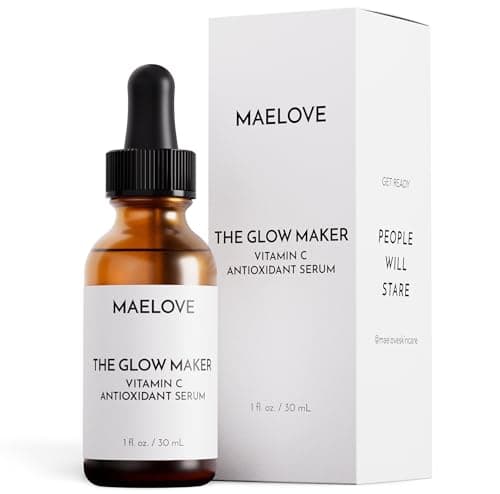
Maelove Glow Maker Vitamin C Serum
$39.90 · View on AmazonPrice as of September 19, 2026. #ad How we’re funded
Best Skincare Stocking Stuffers
Small, cheap and genuinely good: single-active serums from our budget tier that cost a few dollars each and outperform most gift sets.
Our top pick
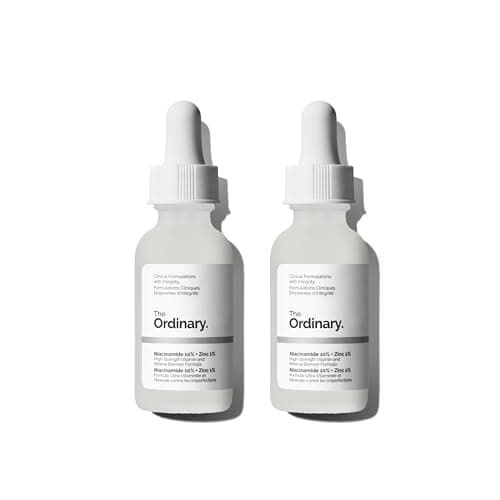
The Ordinary Niacinamide 10% + Zinc 1%
Black Friday & Cyber Monday Skincare Deals 2026
What actually discounts in skincare and what almost never does, whether to buy now or wait for November, and our live prices as they stand today.

How to buy skincare for someone else
There is one rule that does most of the work: gift the step, not the treatment. Cleansers, moisturizers and sunscreens are things nearly everyone already uses and can swap without consequence. A strong active — a high-percentage retinol, a 30% acid peel, a 10% benzoyl peroxide — is a commitment that can go visibly wrong on the wrong face, and the person opening it has no way to know whether it suits them. The American Academy of Dermatology’s own starting advice for any skin is the unglamorous trio of cleansing, moisturizing and sun protection, and that is also the safest gifting territory.
If you do want to give an active — and they make genuinely good gifts, because they are the products people are curious about and don’t buy for themselves — give a gentle, single, clearly-labeled one. Niacinamide, hyaluronic acid and a low stated-strength retinol are the three that suit the widest range of faces. Avoid the mystery blend that lists a dozen actives and states the percentage of none of them; if the brand won’t say what is in it, you cannot judge whether it is a sensible gift.
The four things to check before you buy
- Is there a stated percentage? A label that says “Retinol 0.5%” is telling you what the recipient is getting. One that says “retinol complex” is asking them to trust it blind. We treat a stated figure as a plus and “not published” as a genuine caveat, and we print which is which on every product page.
- Is it fragrance-free? Fragrance is the single most common trigger for a reaction, and you have no idea whether the person you are buying for is sensitive. Fragrance-free is the safe default when you are guessing.
- How many steps does it add? A gift that requires the recipient to rebuild their routine will sit unopened. One bottle that slots into what they already do gets used.
- Is it easy to repurchase? The nicest outcome for a skincare gift is that they run out and buy it again. A drugstore staple beats a hard-to-find import on that measure alone.
Why a cheap gift often beats an expensive one here
Skincare pricing is unusually disconnected from what is in the bottle. The same actives at the same or higher stated concentrations appear at drugstore prices and at prestige prices, and what the extra money usually buys is the base, the packaging and the brand — not more of the thing that works. That is why several of our gift picks come from our budget tier, and why our stocking stuffer guide is not the consolation-prize page it would be in most categories. If you want the gift to look like it cost more, spend the difference on presentation rather than on an unstated percentage.
Gift sets, and why we mostly don’t recommend them
The holiday gift set is designed for the gifter, not the user: a box of five travel sizes photographs beautifully and gives the recipient five things they did not choose, in sizes too small to tell whether anything worked. Worse, a set that combines several actives invites the classic beginner mistake of starting them all at once, which is the fastest route to an irritated barrier and an abandoned shelf. If you want the volume of a set, a full-size product plus something small and practical — a headband, cotton rounds, a decent washcloth — is a better parcel than five miniatures.
The one gift that regularly backfires
A high-strength retinol given to someone who has never used a retinoid. It is a well-meant gift — it is the active with the strongest evidence behind it and it sounds like a generous thing to give — but retinized skin is built slowly, and a first-timer handed a 1% will typically use it nightly, peel for a week, and conclude that retinol “doesn’t work for them.” If retinol is the gift you want to give, give a stated low strength in a cushioning base and point them at how to use it without the flaking.
Should you wait for November?
Sometimes — but far less often than in electronics or apparel, where the deepest measured Black Friday discounts land. Skincare’s discounting pattern is its own thing: prestige lines run the headline percentages, while the drugstore staples that make up most of our picks are already sold near their floor and move on coupons and subscription discounts year-round rather than in one November window. We lay out which is which, honestly and with sources, on our Black Friday page.
Frequently asked questions
What is a safe skincare gift if I don't know the person's skin type?
A fragrance-free moisturizer, a gentle non-foaming cleanser, or a hyaluronic acid serum. All three suit essentially every skin type, none of them can clash with what the recipient already uses, and none requires them to change their routine. Avoid strong actives — retinoids, high-percentage acids, benzoyl peroxide — when you are guessing.
Are skincare gift sets a good idea?
Usually not. Travel sizes are too small to judge whether anything works, the recipient did not choose any of the five products, and a set that bundles several actives encourages starting them all at once — which is the fastest way to an irritated barrier. One full-size product they will actually finish is a better gift.
How much should I spend on a skincare gift?
Less than you would think. Price and formulation are loosely coupled in this category: the same actives at the same stated concentrations turn up at drugstore prices and at prestige prices. Several of the picks across these guides sit in our budget tier and are still the products we would recommend at any budget. Every buy button carries the live, dated price, so you can see the current figure before you decide.
Is it rude to give someone skincare?
It depends entirely on what you pick. A gift framed around a problem — an acne treatment, an anti-wrinkle cream — reads as a comment on the recipient's face. A gift framed around pleasure or curiosity — a nice cleanser, a serum of an ingredient they have heard of — does not. Every guide here is written to stay on the right side of that line.
Should I buy skincare gifts now or wait for Black Friday?
It depends on the product class. Prestige beauty is where the announced November discounts concentrate, so it can be worth waiting there. The drugstore staples that make up most of our picks sit near their everyday floor year-round, so waiting usually gains little and risks the item being out of stock. Our Black Friday page breaks this down by product class, with sources.
Sources
- American Academy of Dermatology — Skin care basics — AAD consumer guidance on cleansing, moisturizing and sun protection (accessed July 17, 2026)
- American Academy of Dermatology — Retinoid or retinol? — AAD on the difference between prescription retinoids and OTC retinol (accessed July 17, 2026)
- Adobe — Cyber Monday Hits Record $14.25 Billion in Online Spending — Adobe Analytics' measured peak Cyber Monday discounts by category: electronics 31%, toys 28%, apparel 25%, computers 23%, televisions 22%, furniture and appliances 19%, sporting goods 17% — personal care is not among the categories Adobe lists for discount depth (accessed September 12, 2026)