Lactic Acid Benefits: What It Actually Does
It is the AHA people reach for when glycolic is too much — a larger molecule that works more slowly at the surface, and the only common exfoliating acid that also holds water.
How this is funded: we earn a commission if you buy through our links, at no extra cost to you. It never changes which product we recommend, and we’ll tell you when we’d skip one. Full disclosure.
Lactic acid has a reputation as the beginner’s AHA, which is true but sells it short. It is not simply a weaker glycolic acid — it behaves differently, and one of the ways it behaves differently is genuinely unique among the common exfoliating acids: it is the only one that also holds water in your skin. That combination, exfoliation plus hydration, is why it suits the people who find every other acid leaves them tight and flaking.
What lactic acid is
It is an alpha hydroxy acid— a water-soluble acid that works on the surface of the skin, in the same family as glycolic, mandelic, tartaric and citric acid. Its job is to weaken the bonds holding dead cells to the outer layer so they detach evenly instead of piling up in patches. That is the entire mechanism, and everything else on this page follows from it.
The thing that distinguishes lactic acid from glycolic is molecule size. Glycolic is the smallest AHA, which is why it penetrates furthest and fastest and why it stings. Lactic is larger, so it moves through the skin more slowly and works closer to the surface. At the same concentration, that usually means a gentler experience — not a useless one, a slower one.
The benefits, in order of how reliably you will see them
Smoother texture.This is the effect lactic acid delivers most dependably and fastest. Rough patches, a slightly grainy surface, the dullness that comes from dead cells accumulating unevenly — those respond within a couple of weeks of consistent use. It is the most honest reason to buy an AHA.
Hydration.Lactate is one of the components of the skin’s own natural moisturizing factor, the mix of humectants that keeps the outer layer supple. Lactic acid therefore does something no other common exfoliating acid does: it draws and holds water while it exfoliates. This is why a well-formulated lactic acid can leave skin feeling plumper rather than stripped, and why it is the AHA of choice for dry skin.
More even tone and brightness.Removing pigmented dead cells more evenly makes the surface look brighter and more uniform. This is real, but it is a surface effect — lactic acid is not acting on melanin production the way azelaic acid or vitamin C do. For defined dark spots, treat it as a helper.
Softer fine lines. Modest and slow. Smoother, better-hydrated skin reflects light more evenly, which softens the appearance of fine lines. For structural change, a retinoid is the ingredient with the evidence.
Rough, bumpy body skin.The AAD lists lactic acid among the exfoliating ingredients used for keratosis pilaris, and it is a common inclusion in body lotions aimed at rough arms and thighs — where its hydrating side is particularly welcome, since body skin with KP is usually dry too. More on that in glycolic acid for keratosis pilaris.
Who should choose lactic acid
Dry and dehydrated skin, because it is the one AHA that gives something back while it takes cells away. Anyone new to acids, because a 5–10% lactic acid is a far more forgiving introduction than jumping into a strong glycolic. Skin that reacted badly to glycolic, where the slower penetration is often the whole difference. And mature skin, which tends to be drier and to benefit from the hydration side as much as the exfoliation.
Who should probably choose something else: oily, congested, blackhead-prone skin, which wants an oil-soluble BHA that can get into the pore rather than a water-soluble AHA that works on the surface — see AHA vs BHA. And very reactive skin, which may still find 10% lactic too much and should start at mandelic acid, the largest and slowest of the common AHAs.
How to use it
Start at twice a week, at night, on clean dry skin, and hold that for two to three weeks before adding a night. Most people settle at two to four times a week. Nightly leave-on AHA is more than most skin needs, and the people who end up with a damaged barrier almost always got there by frequency rather than by concentration.
Concentration:5% is a genuine starting strength, 10% is the common over-the-counter workhorse, and anything advertised well above that is peel territory that deserves more caution than a nightly serum. A stated figure beats an unstated one every time — if a product will not tell you how much lactic acid is in it, you cannot calibrate anything.
Moisturize over the top, always. And wear sunscreen daily, because the FDA is explicit that AHAs increase sun sensitivity and that the effect lingers after you stop using them. Exfoliating without sun protection is the single most self-defeating routine in skincare.
Do not stack it. Keep lactic acid off the same night as a retinoid, another exfoliating acid, or a benzoyl peroxide treatment while you are building tolerance. Alternating nights is plenty, and how to layer actives has the full conflict map.
When to stop
The failure signals are consistent and worth knowing before you need them: skin that feels tight and looks shiny or waxy, stinging from products that never stung, redness that does not settle, new sensitivity, or a sudden run of breakouts on skin that was fine. That is over-exfoliation, not progress, and the answer is to stop all acids for two to four weeks and rebuild with a bland moisturizer — the recovery routine is at signs of over-exfoliation and how to repair your skin barrier. Exfoliating acids are the ingredient class people most reliably overdo, and lactic acid’s gentleness makes it easier to overdo than it looks.
General guidance, not medical advice. Actives & Acids is written by a skincare enthusiast, not a dermatologist. For a diagnosis, a reaction, or a prescription active like tretinoin, see a qualified professional. Introduce any new active slowly and patch-test first.
What we'd actually buy
Chosen from the same registry as our roundups, on published formulation facts rather than hands-on testing — here is exactly what we do instead.
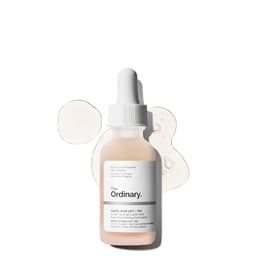
The Ordinary
Lactic Acid 10% + HA
A printed 10% lactic acid with hyaluronic acid in the base — the standard starting point, and cheap enough to find out if this acid suits you.
See it ranked in fullPrice as of October 15, 2026. #ad How we’re funded
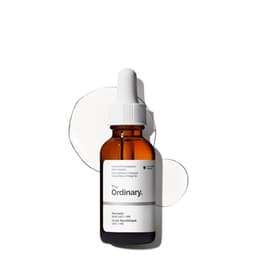
The Ordinary
Mandelic Acid 10% + HA
If 10% lactic still stings, mandelic acid is the larger and slower molecule again — the gentlest AHA on the shelf.
See the sensitive-skin picksPrice as of October 15, 2026. #ad How we’re funded
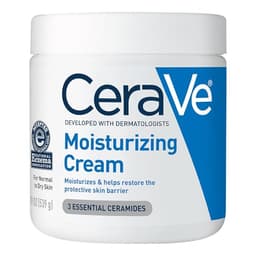
CeraVe
Moisturizing Cream
The moisturizer to seal it with. An AHA raises sun sensitivity and dries skin out; a ceramide cream is what keeps the routine sustainable.
See it ranked in fullPrice as of October 15, 2026. #ad How we’re funded
Frequently asked questions
What does lactic acid do for skin?
It is an alpha hydroxy acid that loosens the bonds holding dead cells to the surface, so they shed more evenly. The visible results are smoother texture, a more even tone, softer rough patches and a brighter surface. Unlike other AHAs it is also a humectant — lactate is part of the skin's own natural moisturizing factor — so it hydrates while it exfoliates rather than only stripping.
Is lactic acid gentler than glycolic acid?
Generally yes, at the same concentration. Lactic acid has a larger molecule than glycolic, so it penetrates more slowly and works closer to the surface, which usually means less stinging. That is a tendency rather than a guarantee — a 10% lactic acid in a well-buffered formula and a 10% lactic acid at a low pH are different experiences, and formulation matters as much as the molecule.
Can lactic acid help with dark spots?
Modestly, and mostly at the surface. By speeding the removal of pigmented dead cells it can even out surface discoloration and brightness, but it does not act on melanin production the way vitamin C or azelaic acid do. For defined dark spots, use lactic acid as a supporting act rather than the main treatment.
Does lactic acid make you more sensitive to the sun?
Yes. The FDA specifically warns that AHAs can increase sun sensitivity and the potential for sunburn, and that effect persists for a while after you stop using them. Daily broad-spectrum sunscreen is not optional with any AHA — without it you are removing sun-damaged cells and generating new damage at the same time.
How often should I use lactic acid?
Start at twice a week and build from there. Most people settle between two and four times a week; nightly use of a leave-on AHA is more than most skin needs and is a reliable route to a compromised barrier. If your skin gets tight, shiny, stingy or unusually reactive to products that never bothered it, you are exfoliating too often.
Sources
- U.S. FDA — Alpha Hydroxy Acids — FDA on AHAs and increased sun sensitivity (accessed July 17, 2026)
- Chemical Peels for Skin Resurfacing — StatPearls (NCBI Bookshelf) — Reference overview of AHA/BHA exfoliation mechanisms (accessed July 17, 2026)
- Moisturizers — StatPearls (NCBI Bookshelf) — Reference on humectants (hyaluronic acid), occlusives and emollients (accessed July 17, 2026)
- American Academy of Dermatology — Keratosis pilaris: Diagnosis and treatment — AAD on exfoliating with AHA, glycolic, lactic, salicylic acid, retinoids and urea for KP (accessed August 19, 2026)
Keep reading
The Ordinary Lactic Acid 10% + HA review
The cheapest lactic acid on the shelf, reviewed off its label — and the pH argument the brand actually publishes.
Read the reviewLactic acid vs glycolic acid
The head-to-head on molecule size, strength and irritation — the comparison most people are really asking about.
Compare the twoBest chemical exfoliants
The full AHA and BHA shortlist, ranked on published concentration and who each acid suits.
See the picksHow often to exfoliate
The frequency question that decides whether an acid helps your skin or wrecks it.
Read the guideExfoliating acids explained
Where lactic acid sits among the AHAs, BHAs and PHAs, and what each family is for.
Read the guideSigns of over-exfoliation
The tell-tales that you have pushed an acid too far, and how to recover from it.
Read the guideBest chemical exfoliant for mature skin
Where lactic acid wins outright — the mature-skin ranking, with glycolic and mandelic placed around it.
See the picks