Retinoids
Retinol, retinal, adapalene and tretinoin — the most evidence-backed anti-aging actives, ranked by stated strength and matched to how much irritation your skin will tolerate.
Retinoids are the vitamin-A family, and they have the deepest evidence base of any anti-aging active you can buy without a prescription: they speed up how fast skin renews itself and nudge it to build collagen, which softens fine lines and evens tone over a few months of steady use. The catch is that “retinoid” covers a huge strength range, from a barely-there beginner retinol to prescription tretinoin — and a lot of jars never tell you where on that ladder they sit.
This hub sorts the whole family out so you can buy once and buy right. Below you’ll find our ranked serum roundups, a gentle on-ramp for first-timers, the plain-English difference between retinol and a true retinoid, how over-the-counter retinol compares to prescription tretinoin, and a realistic schedule for using it without the flaking. Start with the ingredient family tree if the names confuse you, or jump straight to the picks if you already know you want a serum.
Everything in Retinoids
Best Retinol Serums
Five retinols compared on stated strength, base and buffering — and which ones won't tell you the concentration at all.
Our top pick
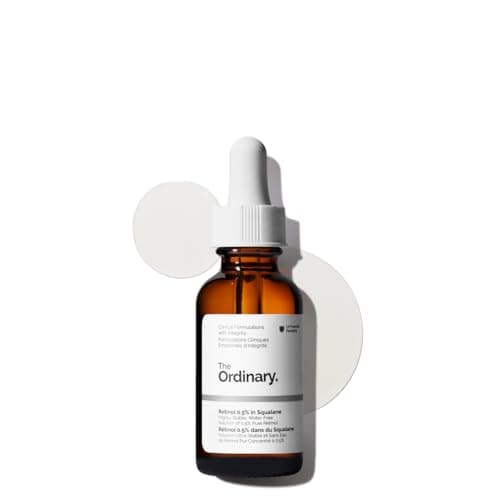
The Ordinary Retinol 0.5% in Squalane
$9.30 · View on AmazonPrice as of October 19, 2026. #ad How we’re funded
Best Retinol for Beginners
The gentlest way in: low, stated strengths in buffering bases, ranked by how forgiving they are on your first bottle.
Our top pick
The Ordinary Retinol 0.5% in Squalane
$9.30 · View on AmazonPrice as of October 19, 2026. #ad How we’re funded
Retinol vs Retinoid (and Retinal)
One is the whole family, the rest are members. The vitamin-A family tree in plain English, with a strength ladder.
Retinol vs Tretinoin
Same family, very different strength and status. When over-the-counter is enough and when to see a doctor.
How to Use Retinol Without the Flaking
A realistic ramp-up from twice a week to nightly, how much to use, and what to pair it with (and not).
Retinol vs Retinal (Retinaldehyde)
Retinaldehyde sits one conversion step closer to the active form than retinol — stronger on paper, still over the counter. Who picks which.
Retinol vs Adapalene (Differin)
Both are retinoids, but adapalene targets acne and retinol targets aging. Which one your skin actually needs.
How Often Should You Use Retinol?
Start at two to three nights a week and build slowly — the schedule by skin type, strength and how your skin reacts.
Retinol Benefits: What It Actually Does
What retinol is genuinely proven to do — smoother texture, more even tone, softer fine lines and collagen support — and what it can't.
Retinol Side Effects (and How to Fix Them)
Which retinol side effects are a normal adjustment, which are a warning sign, and how to calm irritated skin either way.
Retinol vs Bakuchiol
Bakuchiol is sold as a natural, gentler retinol alternative. What the evidence really supports, and who should pick which.
How Long Does Retinol Take to Work?
A realistic week-by-week and month-by-month timeline — when the purge hits, and when fine lines and tone actually change.
Best Retinol Creams
Retinol and moisturizer in one night step. Five creams compared on what they will and won't tell you about the dose, and which base suits your skin.
Our top pick
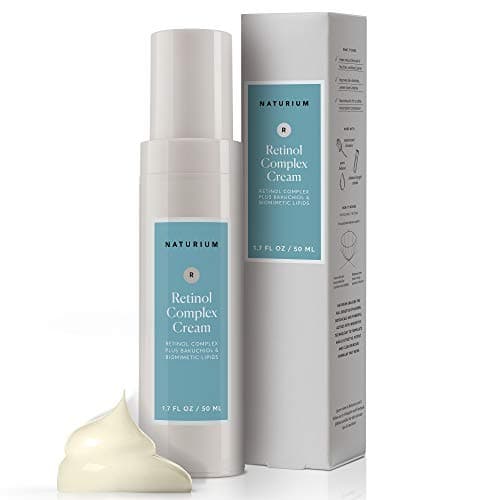
Naturium Retinol Complex Face Cream 2.5%
Best Retinol for Sensitive Skin
Buffered bases, encapsulated delivery and fragrance-free formulas — the retinols least likely to leave reactive skin red and flaking.
Our top pick
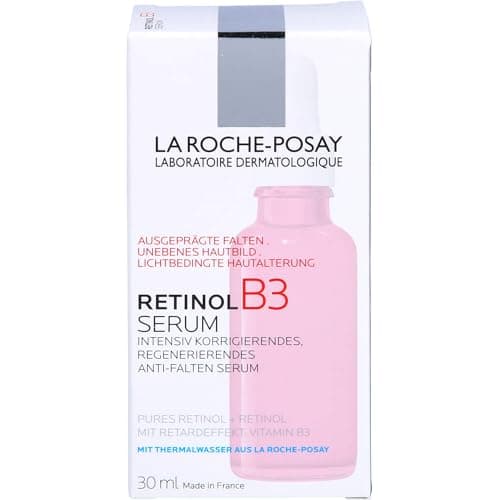
La Roche-Posay Pure Retinol Face Serum (B3 + HA)
$44.97 · View on AmazonPrice as of October 19, 2026. #ad How we’re funded
Retinol vs Vitamin C
They fix different problems at different times of day, so the real answer is usually both. Which one to start with if you can only pick one.
Best Retinol Eye Creams
The thinnest skin on your face, and only one of six creams will tell you how much retinol it contains. Ranked on disclosure, buffering and what the base is really doing.
Our top pick
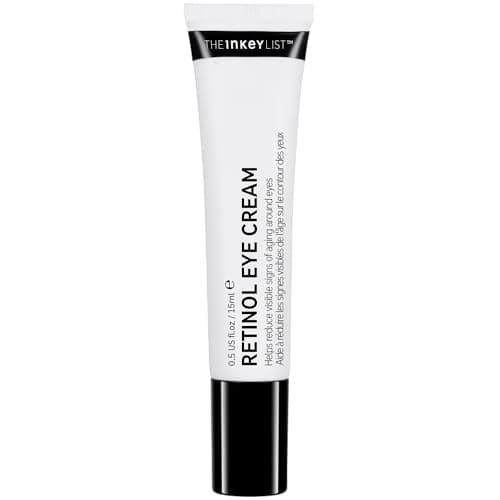
The INKEY List Retinol Eye Cream
$15.00 · View on AmazonPrice as of October 19, 2026. #ad How we’re funded
Best Sunscreen for Retinol Users
Retinol makes daily SPF non-negotiable. Six sunscreens ranked on what a retinoid routine needs: fragrance-free, broad-spectrum, comfortable on skin that is already adjusting.
Our top pick
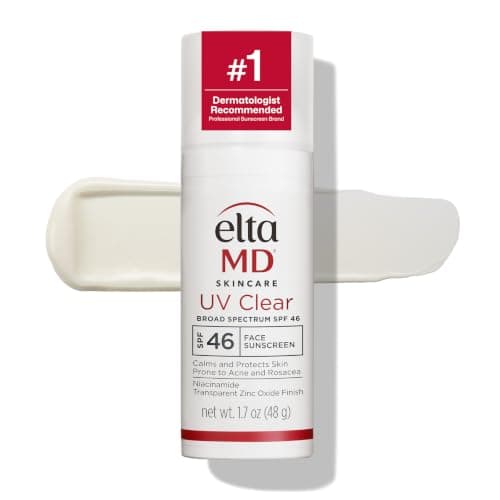
EltaMD UV Clear Broad-Spectrum SPF 46
$46.00 · View on AmazonPrice as of October 19, 2026. #ad How we’re funded
Best Moisturizer to Use with Retinol
The cream is what decides whether you stay on retinol past week three. Seven barrier-first moisturizers ranked for buffering, sandwiching and the peeling phase.
Our top pick
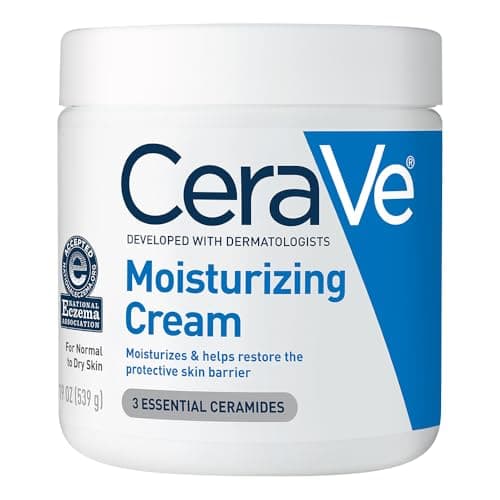
CeraVe Moisturizing Cream
$18.96 · View on AmazonPrice as of October 19, 2026. #ad How we’re funded
Retinol vs Niacinamide
One rebuilds, the other repairs and calms — and most people who ask this question need both, in that order. The head-to-head on evidence, irritation and what each one is honestly for.
Best Retinol Body Lotion
Body skin is ten times the area of your face and only one brand prints a strength. Five body retinols ranked on cost per milliliter, disclosure and what is holding the retinol up.
Our top pick
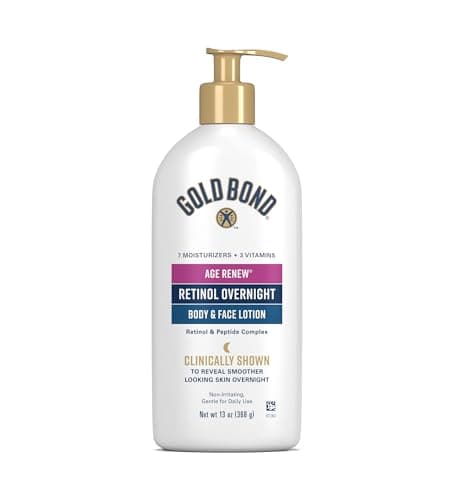
Gold Bond Age Renew Retinol Overnight Body & Face Lotion
$16.97 · View on AmazonPrice as of October 19, 2026. #ad How we’re funded
Retinol Serum vs Cream: Which Should You Buy?
Same vitamin A, two very different vehicles. Which format suits dry skin, which suits oily skin, and why the answer is usually decided by what else is in the bottle.
Our top pick
The Ordinary Retinol 0.5% in Squalane
$9.30 · View on AmazonPrice as of October 19, 2026. #ad How we’re funded
How to Use Retinol Body Lotion
A face routine does not scale to an area ten times the size. How much to use, how often to start, which patches to skip, and the sunscreen rule nobody applies to their arms.
Retinol vs Collagen: Which Actually Firms Skin?
One of these two is a molecule your skin cannot absorb. What a collagen cream really does, what retinol and peptides do instead, and where your money should go.
The Ordinary Retinol 0.5% in Squalane Review
Eight ingredients, a printed percentage and a storage instruction almost nobody follows. The label read in full: why the retinol is fourth, what the squalane is doing, and who the brand says it suits.
Our top pick
The Ordinary Retinol 0.5% in Squalane
$9.30 · View on AmazonPrice as of October 19, 2026. #ad How we’re funded
Retinol vs Glycolic Acid: Which One Do You Need?
One removes what is already dead; the other changes what your skin does next. Which works faster, which has the evidence for wrinkles, and the published use band only one of them has.
Our top pick
The Ordinary Retinol 0.5% in Squalane
$9.30 · View on AmazonPrice as of October 19, 2026. #ad How we’re funded
Retinol and Salicylic Acid: Can You Use Them Together?
Yes — on different nights, in the right order, with one shortcut that lets you run both daily. The schedule, the buffering method, and the tells that you have overdone it.

How to choose a retinoid
Work backwards from your skin’s experience, not from the biggest number on the box. “Retinoid” is the whole family; retinol is the gentle over-the-counter member, retinal (retinaldehyde) is a step stronger, and tretinoinand adapalene are the prescription-grade end. If you’ve never used one, a stated low-strength retinol in a cushioning base is the right first bottle — not the mystery “complex” that sounds more advanced. If you’re confused by the names, our retinol vs retinoid breakdown lays out the family tree with a strength ladder, and retinol vs tretinoin covers when it’s worth asking a doctor for the prescription.
What decides the price and the cost-per-mL
Retinol is one active where the cheapest bottle is often the smartest buy. What you’re really paying for is the delivery system and the base, not just the retinol: encapsulation to slow the release, a squalane or ceramide base to cushion it, added niacinamide to buffer dryness, and opaque air-tight packaging that keeps the molecule from degrading. A stated 0.5% in squalane can cost a few dollars and last months at a pea-sized dose two or three nights a week; a prestige jar can cost ten times that for a concentration the brand never states. Because you use so little each night, cost-per-mLand cost-per-use are what matter — and they almost never track the sticker price. When you compare, divide the price by the milliliters in the bottle, then remember a beginner uses maybe a quarter of what an experienced user does.
The mistake buyers make
The classic error is chasing strength before tolerance. A first-timer buys a 1% because “stronger must work faster,” uses it every night, peels for a week, decides retinol “doesn’t work for my skin,” and quits. Retinized skin is built slowly: start low, go two or three nights a week, moisturize on top, and only step up once nightly use is genuinely comfortable. The second mistake is ignoring the label gap — a jar that states its percentage is telling you what you’re getting, and one that hides behind “retinol complex” is asking you to trust it blind. We treat a stated strength as a plus and “Not published” as a genuine caveat. Last, retinol makes skin more sun-sensitive, so daily sunscreen isn’t optional, and you shouldn’t stack it with an acid the same night when you’re starting out — see how to use retinol.
How long until you see results
Retinol is a marathon, not a sprint, and managing that expectation is half the battle. In the first few weeks you may see nothing good at all — some dryness, a little flaking, maybe a purge as faster cell turnover pushes congestion to the surface. The visible payoff for tone and fine lines builds over roughly twelve weeks and beyond, because collagen takes months to remodel. That timeline is exactly why consistency beats intensity: three comfortable nights a week, kept up for a season, does far more than an aggressive fortnight that ends in a barrier flare and a drawer full of abandoned bottles. Take a before photo, be patient, and judge the results at the three-month mark rather than the three-week one.
Frequently asked questions
What's the difference between a retinoid and retinol?
Retinoid is the umbrella term for the whole vitamin-A family. Retinol is one member — the gentler, over-the-counter kind. Prescription tretinoin (retinoic acid) and adapalene are stronger retinoids. So all retinols are retinoids, but not all retinoids are retinol.
What strength of retinol should a beginner start with?
A stated 0.2–0.5% in a cushioning base. Starting low lets your skin build tolerance and avoids the flaking and redness that make people quit. You can step up to a 1% later once nightly use is comfortable.
Do I need a prescription for a retinoid?
No. Retinol, retinal and adapalene 0.1% (Differin) are available over the counter. You only need a prescription for tretinoin and other stronger retinoids, which a doctor may suggest if OTC retinol isn't getting results.
Can I use retinol with vitamin C or an acid?
Yes, but not on the same night when you're starting out. The simplest approach is vitamin C in the morning and retinol at night, and alternating retinol and exfoliating acids on separate evenings so two irritating actives aren't fighting at once.
Sources
- American Academy of Dermatology — Retinoid or retinol? — AAD on the difference between prescription retinoids and OTC retinol (accessed July 17, 2026)
- Human Skin Aging and the Anti-Aging Properties of Retinol (PubMed) — Review of topical retinol's effect on collagen and photoaging (accessed July 17, 2026)
- The use of retinoids in the treatment of photoaging (PubMed) — Clinical-trial evidence for topical retinoids in photoaging (accessed July 17, 2026)