How we ranked these
1. Ceramides, because that is what retinol depletes you of
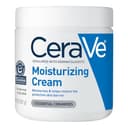
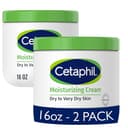
A retinoid speeds up how fast skin turns over. The short-term cost is a barrier that is temporarily thinner and leakier than it should be, which is what you feel as tightness and see as flaking. The published dermatology reference on moisturizers describes the job in three parts: humectants to pull water in, emollients to smooth, and occlusives to stop the water leaving. Ceramides are the lipids the barrier itself is made of, so a cream that carries them is repairing the specific thing retinol stresses. Four of our seven picks list ceramides outright; CeraVe Moisturizing Cream wins the top spot because it carries three of them in a rich base at a tub price that lets you use it on face, neck and hands without thinking. Our ceramides benefits guide explains why they outrank most other moisturizer ingredients.
2. Fragrance-free is mandatory, not a preference
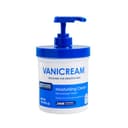
On retinized skin, fragrance is the ingredient most likely to turn adjustment into irritation. Every pick on this page is fragrance-free per its listing, which is why some well-known moisturizers are absent. Vanicream goes further and leaves out dyes, lanolin, parabens and formaldehyde releasers as well — it is the pick when even the gentle creams sting, and the AAD’s point about irritation triggering dark marks on deeper skin tones makes that choice more than a comfort issue.
3. Texture matches the job
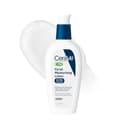
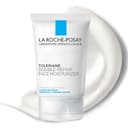
There are three distinct jobs a moisturizer does in a retinol routine and no single texture does all three well. A rich cream is the buffer and the seal for dry or normal skin. A light lotion is what oily and breakout-prone skin will actually keep on — which is the whole case for CeraVe PM, a featherweight ceramide-and- niacinamide lotion that sits on top of retinol without feeling like a mask. And a lighter daytime cream that plays well under sunscreen is a different product again; Toleriane Double Repair takes that slot with ceramide-3 and niacinamide in a texture that does not fight SPF.
4. Price per use, because this goes on twice a day
A retinol moisturizer is not a two-drops product. You use a generous layer at night, often a second layer for the sandwich, and a morning layer under sunscreen. The value tubs — CeraVe, Cetaphil, Vanicream — rank above the prestige options partly for this reason: a cream you use freely outperforms a better cream you ration.
The sandwich method, explained without the mystique
“Sandwiching” is a nickname for a very old idea: put a layer of moisturizer on first, apply the retinol over it, then another layer of moisturizer on top. The first layer slows how fast the retinoid reaches the skin, which takes some of the sting out of the first weeks; the second seals it in and stops the overnight water loss. It is the single most useful technique for people who react badly, and it costs nothing but a minute. Two rules: use a plain cream (the CeraVe, the Cetaphil or the Vanicream) rather than anything with its own actives, and use a pea-sized amount of retinol regardless of how buffered you feel. Once your skin has adapted — usually two to three months — most people drop to a single layer on top. The full ramp-up is in how to use retinol, and the schedule by skin type is in how often to use retinol.
Tretinoin and adapalene: the same list, more urgently
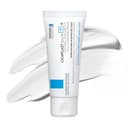
Prescription tretinoin and over-the-counter adapalene are stronger retinoids than retinol and their adjustment period is rougher, which is why “moisturizer for tretinoin” is one of the most-searched questions in the category. Nothing about the ranking changes, but the priorities tighten: ceramides and fragrance-free become non-negotiable rather than preferable, the sandwich method becomes the default for the first month, and Cicaplast Balm B5 earns a permanent place in the drawer for the patch at the corners of the mouth and nose that tretinoin reliably finds. If you are deciding between the two, retinol vs tretinoin and adapalene vs tretinoin cover the strength ladder.
The retinol-burn kit
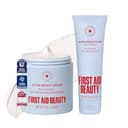
“Retinol burn” is the internet’s name for the red, stinging, sometimes peeling patch that appears when you used too much, too often, too soon. It is not a burn and it is not a purge; it is an irritated barrier, and the fix is boring. Stop the retinol for several days, wash with nothing harsher than a gentle cream cleanser, and moisturize with something simple and heavy. Cicaplast’s panthenol and madecassoside are aimed at exactly this; First Aid Beauty Ultra Repair adds colloidal oatmeal, an FDA-recognized skin protectant, for the version that itches. Then restart the retinol at a lower frequency with the sandwich in place. The AAD’s advice to moisturize damp skin applies here more than anywhere — the whole guide to what went wrong is in how to repair your skin barrier.
What to avoid in a moisturizer while on retinol
- Fragrance and essential oils. The commonest reason a “gentle” cream stings on retinized skin.
- Its own exfoliating acids. A moisturizer with glycolic or salicylic acid on the same night as retinol stacks two irritants; keep acids to alternate nights until you are established.
- Drying alcohol high on the INCI. Fine in a toner you rinse; counterproductive in the layer meant to stop water loss.
- Nothing at all. Skipping moisturizer to “let the retinol work” is the fastest route to quitting. Moisturizer does not dilute a retinoid’s effect over months; it makes the months survivable.
In the morning, the moisturizer goes on before sunscreen and the retinol stays in the drawer. Our best sunscreen for retinol users page ranks that other half, and best ceramide moisturizers is the broader ranking of the same creams without the retinoid filter.