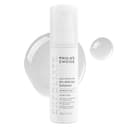
Actives & Acids

Best Chemical Exfoliants

Five chemical exfoliants compared across AHA, BHA and gentler acids — matched to skin type, stated strength, and how often you can use them.

By Stephen V.Last updated How we pick

A chemical exfoliant loosens the bonds holding dull, dead cells on the surface so they shed evenly — no scrubbing, no microtears. Done right, it’s the fastest way to a smoother, brighter, more even complexion. But “chemical exfoliant” covers a wide family, and the right one depends entirely on your skin. Water-soluble AHAs like glycolic and lactic acid work on the surface and suit dry, sun-damaged, or uneven skin; oil-soluble BHA (salicylic acid) gets into pores, which makes it the go-to for blackheads and oily, breakout-prone skin.

So we don’t crown a single “best” and stop — we match each pick to a job. We grade on the acid used, its stated concentration and pH-appropriate format, and how gentle or aggressive the real-world experience is. The lineup below spans a salicylic all-rounder, a budget glycolic toner, a genuinely mild mandelic option for sensitive skin, an azelaic multitasker that calms while it evens tone, and a leave-on AHA gel for people who want more push. Whatever you pick, the rule is the same: exfoliate a few times a week, not daily, and let your skin set the pace.

How this is funded:we earn a commission if you buy through our links, at no extra cost to you. It never changes which product we recommend, and we’ll tell you when we’d skip one. Full disclosure.

Quick picks

Ranked on formulation, stated concentration and buyer fit. Select a row to jump to the full write-up. We have not tested these products — here is exactly what we do instead.

#ProductBest forPrice
1
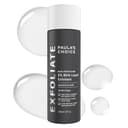
Paula's Choice Skin Perfecting 2% BHA Liquid Exfoliant

Paula's Choice Skin Perfecting 2% BHA Liquid Exfoliant

The most recommended leave-on BHA around, and rightly so — a labeled 2% salicylic acid at the correct pH in a lightweight liquid. No single product beats it for blackheads and clogged pores.

Best overall
$15.00 · View on Amazon

Price as of July 19, 2026. #ad How we’re funded

2
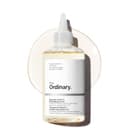
The Ordinary Glycolic Acid 7% Exfoliating Toner

The Ordinary Glycolic Acid 7% Exfoliating Toner

A cult-favorite budget AHA toner — a labeled 7% glycolic for surface smoothing and glow. It's strong for something called a toner; this is a genuine exfoliant, so treat it as one and skip nightly use at the start.

Best AHA on a budget
$13.50 · View on Amazon

Price as of July 19, 2026. #ad How we’re funded

3
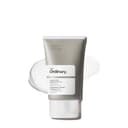
The Ordinary Mandelic Acid 10% + HA

The Ordinary Mandelic Acid 10% + HA

Mandelic is the large-molecule AHA that sinks in slowly, so it exfoliates with less sting than glycolic. A labeled 10% that's an easy first acid for sensitive skin, and a lower-risk one for evening tone on deeper skin tones.

Best for sensitive skin
$7.80 · View on Amazon

Price as of July 19, 2026. #ad How we’re funded

4
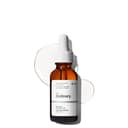
The Ordinary Azelaic Acid Suspension 10%

The Ordinary Azelaic Acid Suspension 10%

A multitasker with real evidence behind it for redness, bumps and post-acne marks — and one of the rare actives usually safe for rosacea-prone skin. A labeled 10%, for a handful of dollars.

Best gentle multitasker
$12.20 · View on Amazon

Price as of July 19, 2026. #ad How we’re funded

5
Paula's Choice Skin Perfecting 8% AHA Gel Exfoliant

Paula's Choice Skin Perfecting 8% AHA Gel Exfoliant

A carefully built leave-on 8% glycolic gel at a working pH, with green tea along for the ride. It costs a bit more, but the formula is clean and the strength is stated plainly.

Best leave-on AHA gel
$37.00 · View on Amazon

Price as of July 19, 2026. #ad How we’re funded

The picks in full

#1Best overall

Paula's Choice Skin Perfecting 2% BHA Liquid Exfoliant

The most recommended leave-on BHA around, and rightly so — a labeled 2% salicylic acid at the correct pH in a lightweight liquid. No single product beats it for blackheads and clogged pores.

Strengths

  • A disclosed 2% salicylic acid formulated at a pH that actually works
  • Being oil-soluble, the BHA reaches inside pores where AHAs can't go
  • A fragrance-free, non-abrasive leave-on liquid

Trade-offs

  • Begin 2-3 times a week, since going daily right away can over-exfoliate
  • Early on, keep it off the same night as retinol
Key activeSalicylic acid (BHA)
Stated concentration2%
FormatWatery liquid
Fragrance-freeYes
Best forOily, Combination, Blemish-prone

Formulation note. 2% salicylic acid at a working pH. Its oil solubility is the whole point — BHA clears out the inside of pores, which is why it outperforms a scrub on blackheads.

Ingredients and claims read from the product listing, on July 18, 2026. “Not published” means the brand does not state that figure.
#2Best AHA on a budget

The Ordinary Glycolic Acid 7% Exfoliating Toner

A cult-favorite budget AHA toner — a labeled 7% glycolic for surface smoothing and glow. It's strong for something called a toner; this is a genuine exfoliant, so treat it as one and skip nightly use at the start.

Strengths

  • A disclosed 7% glycolic acid for just a few dollars
  • Visible smoothing and radiance
  • Carries soothing aloe and ginseng

Trade-offs

  • Too potent for sensitive skin or for daily use right away
  • In the early going, never pair it with other strong acids or retinol on the same night
Key activeGlycolic acid (AHA)
Stated concentration7%
FormatWatery toner
Fragrance-freeYes
Best forNormal, Oily, Resilient

Formulation note. 7% glycolic acid with aloe, ginseng and Tasmanian pepperberry to temper irritation. As a water-soluble AHA it works on the surface — great for glow, and a different job from the pore-clearing BHAs do.

Ingredients and claims read from the product listing, on July 18, 2026. “Not published” means the brand does not state that figure.
#3Best for sensitive skin

The Ordinary Mandelic Acid 10% + HA

Mandelic is the large-molecule AHA that sinks in slowly, so it exfoliates with less sting than glycolic. A labeled 10% that's an easy first acid for sensitive skin, and a lower-risk one for evening tone on deeper skin tones.

Strengths

  • A big molecule that penetrates slowly, making it the gentlest of the AHAs
  • A disclosed 10% strength for just a few dollars
  • Lower risk of triggering post-inflammatory pigmentation, a plus on deeper skin tones

Trade-offs

  • The slow penetration means results build gradually, not overnight
  • Still an acid — start a few nights a week and pair with daytime SPF
Key activeMandelic acid (AHA)
Stated concentration10%
FormatLight serum
Fragrance-freeYes
Best forSensitive, Blemish-prone, Deeper skin tones

Formulation note. 10% mandelic acid with hyaluronic acid. Mandelic's larger molecule moves into the skin more slowly than glycolic or lactic, which is what makes it low-irritation — a reasonable reason it's so often suggested for sensitive skin and for pigment-prone deeper skin tones.

Ingredients and claims read from the product listing, on July 18, 2026. “Not published” means the brand does not state that figure.
#4Best gentle multitasker

The Ordinary Azelaic Acid Suspension 10%

A multitasker with real evidence behind it for redness, bumps and post-acne marks — and one of the rare actives usually safe for rosacea-prone skin. A labeled 10%, for a handful of dollars.

Strengths

  • A disclosed 10% azelaic acid with solid evidence for redness and pigmentation
  • Usually well-tolerated by rosacea-prone skin
  • Layers comfortably with most other actives

Trade-offs

  • The silicone suspension has a distinctive, faintly grainy feel
  • Overapply it and it can pill beneath some sunscreens
Key activeAzelaic acid
Stated concentration10%
FormatSilicone cream-gel
Fragrance-freeYes
Best forRosacea-prone, Blemish-prone, Sensitive

Formulation note. 10% azelaic acid. The evidence backs it for rosacea redness, mild acne and pigmentation, and it's mild enough for reactive skin — an unusually versatile, well-tolerated active.

Ingredients and claims read from the product listing, on July 18, 2026. “Not published” means the brand does not state that figure.

#5Best leave-on AHA gel

Paula's Choice Skin Perfecting 8% AHA Gel Exfoliant

A carefully built leave-on 8% glycolic gel at a working pH, with green tea along for the ride. It costs a bit more, but the formula is clean and the strength is stated plainly.

Strengths

  • A disclosed 8% glycolic acid formulated at an effective pH
  • Green tea adds an antioxidant angle to the exfoliation
  • Fragrance-free leave-on gel that layers cleanly

Trade-offs

  • Pricier than a budget glycolic for the same headline acid
  • Still an AHA — start a few nights a week and use SPF the next day
Key activeGlycolic acid (AHA)
Stated concentration8%
FormatLeave-on gel
Fragrance-freeYes
Best forNormal, Dry, Sun-damaged

Formulation note. 8% glycolic acid at a functional pH with green tea, in a leave-on gel. The pH is what lets the acid actually work, and the stated strength plus fragrance-free base are why it reads as a clean, well-built formula rather than just a pricier one.

Ingredients and claims read from the product listing, on July 18, 2026. “Not published” means the brand does not state that figure.

How to choose a chemical exfoliant

Start with your skin type and your main complaint. If you deal with blackheads, congestion, or an oily T-zone, reach for a BHA (salicylic acid)— it’s oil-soluble, so it works inside the pore where those problems start. If your skin is dry, sun-worn, or unevenly toned, an AHA like glycolic (stronger, smaller molecule) or lactic (gentler, also hydrating) resurfaces the top layer and brightens. If your skin flushes or stings easily, start with a large-molecule acid like mandelic, or an azelaic formula that exfoliates far more gently while calming redness. Concentration matters, but so does format: a low-strength leave-on used regularly often beats a high-strength peel you’re scared to touch.

Cost-per-mL, not cost-per-bottle

Acids are used sparingly — a few drops or one swipe, a few nights a week — so compare by the milliliter and by how long a bottle lasts. A budget glycolic toner can cost a fraction of a prestige exfoliant per use, and because you’re not applying it daily, one bottle stretches for months. The most expensive option is rarely the one that resurfaces best; the one you use consistently at the right cadence is.

Using acids safely

Introduce one acid at a time, a couple of nights a week, and build up only if your skin stays comfortable. A brief tingle is normal; lingering burning, tightness, or shiny raw patches mean you’re overdoing it — scale back. Acids make skin more sun-sensitive, so daily sunscreen is essential. And don’t stack an exfoliating acid with retinol or benzoyl peroxide on the same night when you’re starting out; our layering guide shows what to alternate.

Frequently asked questions

What's the difference between AHA and BHA?

AHAs like glycolic and lactic acid are water-soluble and work on the skin's surface, making them good for dry, uneven or sun-damaged skin. BHA (salicylic acid) is oil-soluble and penetrates into pores, which suits oily, congested and blackhead-prone skin. Many people use one of each on different nights.

How often should I use a chemical exfoliant?

Start with two or three nights a week and increase only if your skin stays comfortable. Daily exfoliation is more than most skin needs and often leads to a damaged barrier, redness and stinging. Let your skin's response set the pace rather than a fixed schedule.

Can I use a chemical exfoliant with retinol?

Not on the same night when you're starting out, since two irritating actives at once tends to overwhelm the skin. Alternate them on separate evenings, or use your acid on some nights and retinol on others, until you know your skin tolerates each one comfortably.

Which chemical exfoliant is best for sensitive skin?

A large-molecule AHA like mandelic acid or a gentle azelaic formula. Both exfoliate and even tone far more slowly and comfortably than high-strength glycolic, which makes them a safer starting point for skin that flushes, stings or reacts easily.

Sources

Keep reading