What keratosis pilaris actually is
Keratin is the protein your skin is largely made of. In keratosis pilaris it builds up and plugs the opening of a hair follicle, and the plug is what you feel: a small, hard bump, usually on the backs of the upper arms, the thighs, the buttocks or the cheeks, often with a rough sandpapery texture across the whole area and sometimes with redness around each bump.
Three facts from the AAD’s own guidance change how you should shop for it. It is harmless— a cosmetic complaint, not a disease. It is common in dry skin and worse in winter, which is why moisturizing is part of the treatment rather than an afterthought. And there is no cure; it frequently clears gradually by the late twenties on its own. Any product promising to get rid of it permanently is selling you something the condition does not do.
What the AAD names as treatment is a list rather than a single answer: alpha hydroxy acids including glycolic and lactic acid, salicylic acid, urea, and topical retinoids. That is four distinct mechanisms, which is unusual — and it is why this page ranks by active class matched to how your skin behaves instead of crowning one acid.
The four actives, and which one to pick
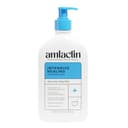
Lactic acidis the most-used option for a reason: it is an AHA, so it loosens the surface keratin, and it is a humectant, so it holds water in skin that is dry to begin with. The body lotions carrying it publish the highest strengths in this category — 12% and 15% — but read those numbers carefully, because in the AmLactin range the active is ammonium lactate, which is lactic acid already neutralized into a salt rather than the free acid a face serum delivers. That is the trade that makes an all-over 15% tolerable.
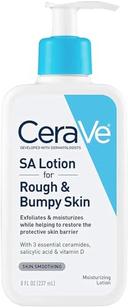
Salicylic acidis the only one of the four that is oil-soluble, which means it penetrates the sebum inside the follicle and works where the plug actually is. On a complaint that is definitionally follicular, that is the strongest mechanistic argument on the page — and it is why our top pick is a salicylic lotion rather than the one with the biggest number on the front.
Urea is the one most people have never considered, and it is genuinely different: at body-care strengths it works as a humectant and a keratolytic, softening the keratin without needing a low pH and without the sting of an acid. If an acid lotion has made your arms red or tight, this is the switch to make rather than giving up.
Retinoidsare on the AAD’s list and we have not ranked one here, deliberately: a body retinoid is a different purchase with a different adjustment period, and we rank those separately at best retinol body lotion. For a first attempt at KP, start with a keratolytic.
How we ranked
1. Active class matched to the complaint. A follicular plug argues for the oil-soluble active; dry, scaly skin around it argues for the humectant ones. Products carrying more than one earn credit, because KP is usually both problems at once.
2. Published strength, where there is one.Two products here print a percentage and three do not — CeraVe publishes no figure for either of its acids, which is its standing position across this registry. A printed number is better, and it is not the only criterion, because an unpublished combination of two matched actives can still be the better-aimed product.
3. Volume, as a hard filter.This is where most KP advice fails. At 8 oz or 13.5 oz you can treat both arms daily without thinking about it; at 3 oz you are rationing, and a keratolytic you ration does not work. The cheapest product here is also one of the biggest, which is not a coincidence — it is the reason it wins its award.
4. What else is in the base.The AAD’s dry-skin guidance is plain: an emollient, applied to slightly damp skin, used consistently. Ceramides, shea butter or allantoin alongside the active are doing real work on a complaint that is half dryness, and fragrance is a genuine mark against a product you apply to whole limbs every day.
How to use any of them
Apply after a shower, to slightly damp skin, once daily to start and twice if your skin is comfortable with it. Damp skin is the AAD’s own instruction for moisturizer and it matters more here than usual, because half of what you are treating is dryness.
Do not scrub. This is the single most common mistake with KP and the reason so many people make it worse: a loofah or a sugar scrub abrades the skin around a follicle without removing the plug inside it, so you get irritation and redness and the bumps stay. The AAD specifically warns against scrubbing. A chemical keratolytic does the job abrasion cannot.
Give it a month before judging, and expect maintenance. Smoother skin and less visible bumps is the realistic outcome, on a timescale of weeks. Stopping brings the bumps back, because the tendency to form them is in your genes rather than in your routine. If the area is inflamed and painful rather than rough and bumpy, that is a different problem — our strawberry legs guide has the ten-second test that separates KP from folliculitis and from post-shave irritation.
What we did not rank, and why
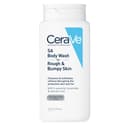
We left out scrubs, brushes and exfoliating mittsentirely, for the reason above. We left out 40% urea foot creams, which keep appearing in KP search results: they are formulated for calluses and heels, and that strength on the thin skin of an upper arm is not a dose anyone should start at. We left out acid body washesas primary treatment — one appears as our fifth pick, but as the pairing step, because a wash has seconds of contact time against a leave-on’s hours; the full wash ranking is at best exfoliating body wash. And we did not rank any product making acure claim, which rules out several marketed specifically for this condition.
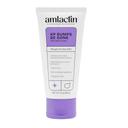
One honest note on our own line-up: the two AmLactin products here carry the same published 15%, so the smaller one is a format and targeting choice rather than a strength upgrade. We have said so in its entry rather than letting the KP name on the tube imply more than that.