Hydration & Barrier
Niacinamide, hyaluronic acid, ceramides and peptides — the supporting actives that hydrate, calm and hold the barrier together so the stronger stuff doesn't wreck it.
Every strong active on this site — retinol, vitamin C, acids — works better and irritates less when your skin barrier is intact. That’s what this hub is about: the supporting cast. Niacinamide calms redness, controls oil and helps rebuild the barrier; hyaluronic acid pulls water into the skin; ceramidesare the mortar that keeps that water from escaping. They’re not the flashy anti-aging headliners, but they decide whether your routine feels comfortable or raw.
Below you’ll find our niacinamide and hyaluronic acid serum roundups, a guide to pairing niacinamide with retinol (one of the best combinations in skincare), and an honest look at what niacinamide actually does versus what the marketing claims. Start with the niacinamide roundup if you want one calming, do-a-bit-of-everything active, or the hyaluronic acid picks if plain dehydration is your issue.
Everything in Hydration
Best Niacinamide Serums
Compared on concentration — and an honest note on why the highest number isn't the best buy.
Our top pick
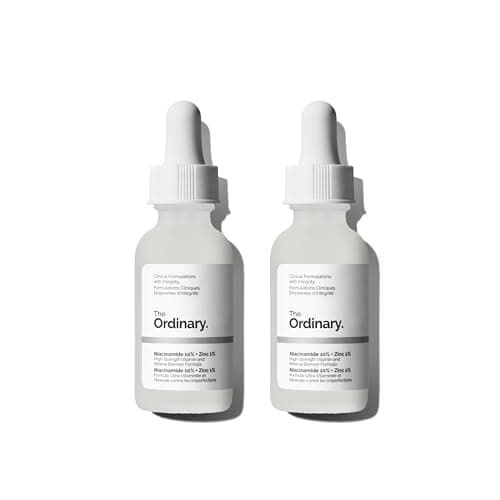
The Ordinary Niacinamide 10% + Zinc 1%
$12.00 · View on AmazonPrice as of October 19, 2026. #ad How we’re funded
Best Hyaluronic Acid Serums
Which hydrating serums pair HA with the ceramides that make it actually hold water.
Our top pick
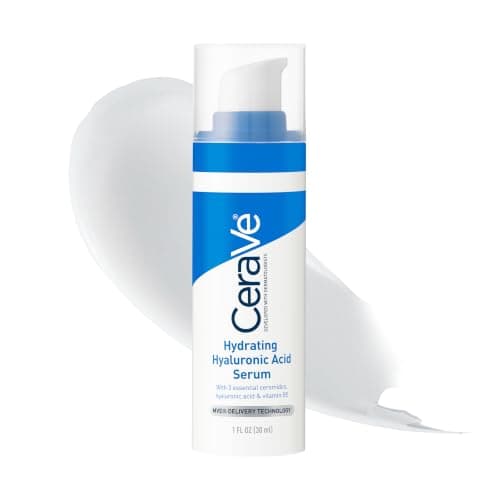
CeraVe Hyaluronic Acid Serum (B5 + Ceramides)
Best Ceramide Moisturizers
Barrier-repair creams ranked by their ceramide lineup and texture — the step that seals your actives in.
Our top pick
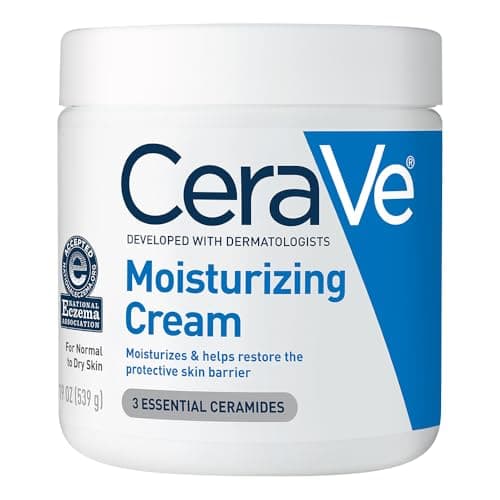
CeraVe Moisturizing Cream
$18.96 · View on AmazonPrice as of October 19, 2026. #ad How we’re funded
Can You Use Niacinamide With Retinol?
One of the best pairings in skincare — niacinamide buffers retinol's dryness. Here's how to layer them.
Niacinamide Benefits: What It Actually Does
Oil control, redness, barrier repair and tone — what the evidence supports, and the strength that studies used.
Hyaluronic Acid vs Niacinamide
One pure hydrator, one multitasking barrier active. Why they're complements, not rivals — and how to run both.
Hyaluronic Acid Benefits
A humectant that binds water in the skin — what hyaluronic acid genuinely does, what it can't, and the damp-skin rule.
How to Use Hyaluronic Acid
Apply to damp skin, seal with moisturizer — the two-step method that stops HA drawing water out of your skin in dry air.
How to Repair Your Skin Barrier
A compromised barrier causes tightness, stinging and dehydration. The pared-back, evidence-based routine that rebuilds it.
Ceramides Benefits
Ceramides are the lipids your barrier is built from. What topical ceramides do, who needs them, and how to use them.
Ceramides vs Peptides
Ceramides are barrier lipids; peptides are signaling ingredients aimed at firmness. Different jobs — which your skin needs.
Best Peptide Serums
Five peptide serums ranked honestly — including what none of them will tell you, and why we rank the category below retinol.
Our top pick
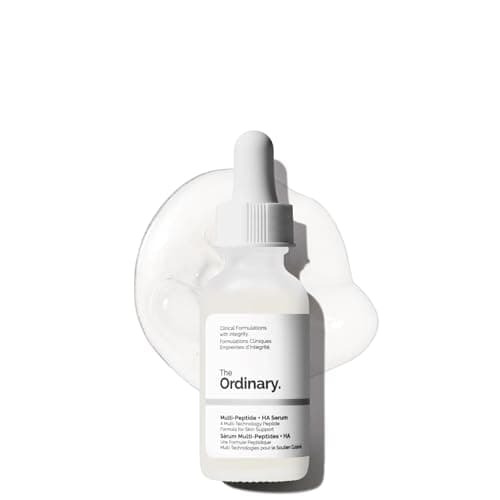
The Ordinary Multi-Peptide + HA Serum
Niacinamide and Salicylic Acid Together
The oil-control pairing for congested, shiny skin. Why the pH worry is overstated, and the layering order that keeps it comfortable.
Best Hyaluronic Acid Serum for Mature Skin
Six hydrating serums for skin that has grown drier — ranked on the published dose, the molecular-weight split, and whether anything in the bottle helps the water stay.
Our top pick
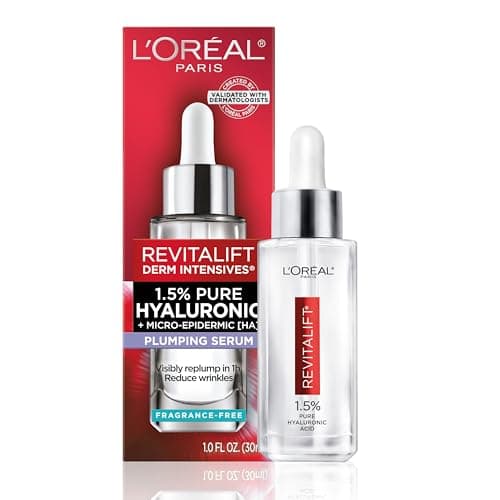
L'Oreal Paris Revitalift 1.5% Pure Hyaluronic Acid Serum
Niacinamide and Glycolic Acid Together
Yes, they can share a routine — the pH scare is overstated. When to layer them, when to split them, and the one combination that genuinely stings.
How to Use Niacinamide Serum
Morning or night, before or after moisturizer, how many drops and what it goes with. The routine placement, plus the flushing and pilling problems and their fixes.
The Ordinary Niacinamide 10% + Zinc 1% Review
The most-bought niacinamide serum, reviewed off its label and the published trials: all eleven ingredients, what 10% and 1% actually mean, who it suits, who should buy something else, and the two-pack quirk on the Amazon listing.
Our top pick
The Ordinary Niacinamide 10% + Zinc 1%
$12.00 · View on AmazonPrice as of October 19, 2026. #ad How we’re funded
Best Moisturizer for Sensitive Skin
Six fragrance-free creams ranked on how short the ingredient list is and how much of the barrier they rebuild — because on reactive skin, what a moisturizer leaves out matters more than what it adds.
Our top pick
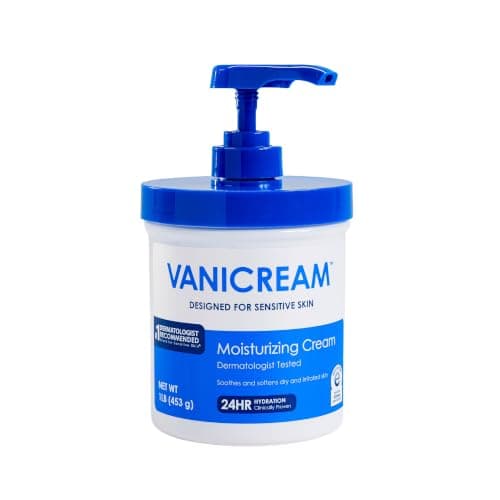
Vanicream Moisturizing Skin Cream
Best Gentle Cleanser for Sensitive Skin
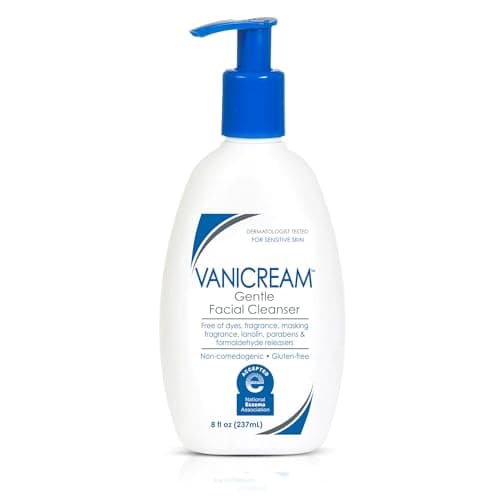
The cleanser is the step that decides how much irritation the rest of your routine can afford. Four non-stripping washes ranked on surfactants, ceramides and what they leave behind.
Our top pick
Vanicream Gentle Facial Cleanser (8 fl oz)
$9.97 · View on AmazonPrice as of October 19, 2026. #ad How we’re funded
Niacinamide and Tretinoin Together
Yes, and it is one of the few pairings with a reason behind it: niacinamide treats the exact side effects tretinoin causes. The order, the timing and the one formula to avoid stacking.
Hyaluronic Acid vs Sodium Hyaluronate
They are the same molecule in two forms, and the label difference tells you less than the molecular weight does. What each term means on an INCI list and which serums disclose it.
Hyaluronic Acid After Microneedling
The right product for the week afterwards, for a smaller reason than you have been told. What the two published studies actually tested, and which actives to pause.
Hyaluronic Acid vs Retinol
One holds water at the surface today; the other changes the skin over months. Which to buy first if you can only buy one, and why the comparison is less of a contest than it looks.
Niacinamide Serum: Morning or Night?
The honest answer is either, and the useful answer depends on what else is in your routine. The two cases where the timing genuinely matters, and the myth that is not one of them.
Niacinamide Side Effects
Flushing, stinging, little bumps and the purging claim that is not real. What actually goes wrong with a niacinamide serum, why the dose on the shelf is twice the studied one, and how to fix it.
Ceramides vs Hyaluronic Acid: Which Does Your Skin Need?
One pulls water in, the other stops it leaving. Which to buy for dry, oily and barrier-damaged skin — and why every hyaluronic acid serum we rank quietly contains ceramides.
Our top pick
CeraVe Moisturizing Cream
$18.96 · View on AmazonPrice as of October 19, 2026. #ad How we’re funded
Peptides for Skin: The Benefits, and the Honest Limits
The most plausible-sounding ingredient in skincare and the hardest to verify. The three benefits worth expecting, the absorption problem, and why no brand publishes a peptide dose.
Our top pick
The Ordinary Multi-Peptide + HA Serum
How to choose a hydration and barrier active
Start from the problem. If your skin is oily, red or reactive and you want a single supporting active, niacinamideis the most versatile pick — the studies that back it used around 2–5%, so a 10% serum already has headroom to spare. If your skin just feels tight and dehydrated, a hyaluronic acidserum is the more direct fix, and it works best when it’s sealed with a ceramide moisturizer and applied to damp skin so it has water to grab. Our best hyaluronic acid serums roundup flags which formulas pair HA with the ceramides that make it actually hold water, and niacinamide benefits separates what the evidence supports from what it doesn’t.
What decides the price and the cost-per-mL
These are some of the best-value actives in skincare, which is exactly why the pricing gets silly. Niacinamide and hyaluronic acid are cheap, stable raw materials, so a plain 10% niacinamide serum costs a few dollars and does the core job. What you pay more for is a nicer texture, a lower-tack finish, and supporting ingredients like added zinc, ceramides or B5 — sometimes worth it, often not. Because concentration barely moves the needle above the studied range, cost-per-mLand how the serum feels under the rest of your routine matter far more than chasing the biggest percentage. Compare price per milliliter and buy the one you’ll actually enjoy layering daily.
The mistake buyers make
With niacinamide, the mistake is assuming higher is better. A 12% isn’t meaningfully more effective than a 10% or even a 5% for most people, and very high concentrations can cause flushing in sensitive skin — so the highest number on the shelf is rarely the best buy. With hyaluronic acid, the classic error is applying it to bone-dry skin in a dry room: with no water around, it can actually pull moisture out of deeper skin, which is why you apply it damp and seal it with moisturizer on top. And people often overlook that these gentle actives are what let the strong ones work — niacinamide in particular buffers retinol’s dryness, which is why niacinamide with retinol is such a reliable pairing. Get the barrier solid first, and everything else you layer on behaves.
Where these fit in your routine
Supporting actives are easy to slot in because they play well with almost everything. Niacinamidegoes on after cleansing, before or alongside your heavier treatments, and it’s calm enough for both a morning and a night routine — the old “you can’t use it with vitamin C” warning is a myth from an outdated lab study, not real skin. Hyaluronic acidgoes on slightly damp skin and gets sealed under a moisturizer so it has water to hold onto. The one habit that makes these earn their keep is pairing them with your stronger actives on purpose: a buffering active like niacinamide, or a hydrating layer of HA and ceramides, is what lets a retinol or an acid do its work without leaving your skin raw. Think of this hub as the insurance policy for everything else on the site — unglamorous, inexpensive, and the reason the potent stuff stays usable.
Frequently asked questions
What does niacinamide actually do?
Niacinamide (vitamin B3) helps strengthen the skin barrier, supports ceramide production, calms redness, regulates oil and gradually evens tone. The evidence is strongest for barrier support and oil control; most studies used around 2–5%, so a 10% serum is plenty.
What's the difference between niacinamide and hyaluronic acid?
Niacinamide is a barrier-supporting, oil-regulating active that works over weeks. Hyaluronic acid is a humectant that pulls water into the skin for immediate hydration. They target different things and layer well together — niacinamide first, then hyaluronic acid on damp skin.
Does a higher percentage of niacinamide work better?
Not really. The studied benefits appear at around 2–5%, so 10% already covers it and 12% isn't meaningfully better. Very high concentrations can cause flushing in sensitive skin, so texture and how it sits under your routine matter more than the number.
How do I use hyaluronic acid so it doesn't dry me out?
Apply it to slightly damp skin so it has water to grab, then seal it in with a moisturizer on top. On bone-dry skin in a dry environment, HA can pull moisture from deeper layers — the damp-then-seal step is what prevents that.
Sources
- Mechanistic Basis and Clinical Evidence for Nicotinamide (Niacinamide) in Skin (PMC) — Review of niacinamide's barrier, ceramide and pigmentation effects (accessed July 17, 2026)
- Moisturizers — StatPearls (NCBI Bookshelf) — Reference on humectants (hyaluronic acid), occlusives and emollients (accessed July 17, 2026)