Azelaic Acid for Rosacea: What It Actually Does
Of everything you can buy without a prescription, azelaic acid has the strongest claim to a place in a rosacea routine. Here is what it treats, what it doesn't, and where a doctor takes over.
How this is funded: we earn a commission if you buy through our links, at no extra cost to you. It never changes which product we recommend, and we’ll tell you when we’d skip one. Full disclosure.
Rosacea is the condition where most over-the-counter skincare advice falls apart. The ingredients that make ordinary skin look better — strong acids, high-percentage vitamin C, aggressive scrubs, anything with fragrance — are frequently the things that set rosacea-prone skin off. Azelaic acid is the notable exception, and it is not a marketing exception: it is a treatment dermatologists actually prescribe for rosacea, and the American Academy of Dermatology lists it plainly among the medications that work for the condition.
That gives the over-the-counter 10% version an unusual position. It is not the prescription product, and this page will not pretend otherwise. But it is the same molecule doing the same things, at a strength you can buy today, and for mild cases it is a genuinely reasonable place to start. If you want the gap quantified — the 15% gel’s actual trial numbers set against what a cosmetic 10% can claim — our review of The Ordinary’s Azelaic Acid Suspension 10% works through both labels side by side.
What azelaic acid is, and why it suits rosacea
Azelaic acid is a dicarboxylic acid — despite the name, it is not an AHA or a BHA and it does not exfoliate the way glycolic or salicylic acid does. That difference is the point. Rosacea-prone skin generally does badly with exfoliation, and azelaic acid gets its results through other routes: it is anti-inflammatory, which addresses the papules and pustules that characterize one common form of rosacea; it is antimicrobial; it has a mild effect on how skin cells keratinize, which helps with the bumps; and it acts on pigment, which is why the same ingredient turns up in dark-spot routines.
The AAD describes azelaic acid as effectively treating the acne-like breakouts of rosacea and notes it may reduce long-lasting redness. Read that carefully, because the wording is careful for a reason: the bumps are what it treats reliably, and the background redness is what it may help with. That distinction sets the expectations for this whole page.
What it will and will not do
It should help: the inflamed papules and pustules that look like acne but are not, the roughness and small bumps across the cheeks and chin, and the post-inflammatory marks left behind after a flare settles. Those are the components with the most direct response.
It may help, slowly: the diffuse background flush across the cheeks and nose. Some people see real improvement here over months. Many see less than they hoped.
It will not do anything for:visible broken capillaries, which are structural and need laser or light treatment rather than a topical; the thickened skin changes that occur in one subtype of rosacea; or ocular rosacea, which affects the eyes and is a doctor’s problem entirely. No cream on any shelf addresses these, and a product that claims to is lying.
How to use it without triggering a flare
The technique matters more than usual here, because the failure mode is not “it did not work” but “it made things worse for a week”.
Start at every other night, not daily, even though the eventual target is once or twice a day. Rosacea-prone skin needs a longer runway than most. Apply a thin layer to dry skin— a pea-sized amount for the whole face — and if it stings, apply it over your moisturizer rather than under it. That “reverse buffering” slows delivery, costs you some potency, and is a perfectly sensible trade for the first month. Moisturize properly either way; rosacea-prone skin usually has a compromised barrier and a good ceramide or panthenol-based cream is doing real work alongside the active.
Strip everything else back.While you are introducing azelaic acid, drop exfoliating acids, retinoids, scrubs, and high-strength vitamin C, and switch to a bland fragrance-free cleanser. Not permanently — but if you introduce three things at once and your face reacts, you have learned nothing. And know your own triggers: heat, alcohol, spicy food, sun and stress drive rosacea flares independently of skincare, so a flare during week two may have nothing to do with the product at all.
Sunscreen every day. UV is one of the most consistently reported rosacea triggers, and mineral filters based on zinc oxide or titanium dioxide are the usual recommendation for skin that reacts to chemical ones.
Azelaic acid versus the alternatives
Versus niacinamide:not a competition. Niacinamide supports the barrier and has published evidence for reducing redness, and it pairs comfortably with azelaic acid — some formulas contain both. If your skin is too reactive for anything active at all, niacinamide alone is the softer starting point.
Versus mandelic acid:mandelic is the gentlest AHA and a reasonable option for reactive skin, but it is still an exfoliant, and exfoliation is the category rosacea does worst with. For redness specifically, azelaic acid is the better-supported choice — the fuller comparison is at azelaic vs mandelic acid.
Versus a retinoid: retinoids are frequently too much for rosacea-prone skin, particularly early on. Azelaic acid is the more sensible active to establish first, and some people never move past it, which is a perfectly good outcome.
When to stop reading and see a doctor
This is the most important paragraph on the page. Rosacea is a medical condition with several subtypes that respond to genuinely different treatments, and one of them — ocular rosacea — affects your eyes. If your redness is persistent and progressive, if you have papules and pustules that do not respond to twelve weeks of consistent over-the-counter treatment, if you have visible broken vessels, if your eyes are gritty, burning or watering, or if you have not actually been diagnosed and are self-identifying from photographs on the internet, see a dermatologist. Prescription azelaic acid is stronger than anything sold over the counter, and it is only one of several options a doctor can offer. Nothing on this site is medical advice, and rosacea is exactly the condition where that distinction has consequences.
General guidance, not medical advice. Actives & Acids is written by a skincare enthusiast, not a dermatologist. For a diagnosis, a reaction, or a prescription active like tretinoin, see a qualified professional. Introduce any new active slowly and patch-test first.
What we'd actually buy
Chosen from the same registry as our roundups, on published formulation facts rather than hands-on testing — here is exactly what we do instead.
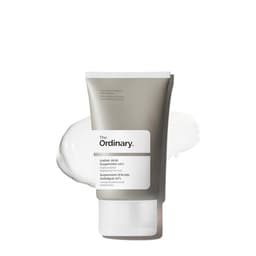
The Ordinary
Azelaic Acid Suspension 10%
A printed 10% at the lowest price on the shelf — the sensible first tube for testing whether azelaic acid suits your skin.
See it ranked in fullPrice as of October 15, 2026. #ad How we’re funded
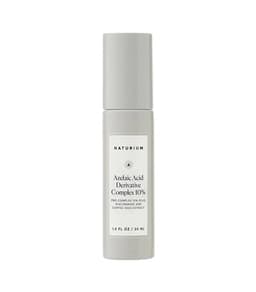
Naturium
Azelaic Acid Derivative Complex 10%
Pairs a 10% azelaic derivative with niacinamide, which has its own published record for redness — a comfortable water-based option, though the derivative is not the free acid the rosacea trials used.
See it ranked in fullPrice as of October 15, 2026. #ad How we’re funded
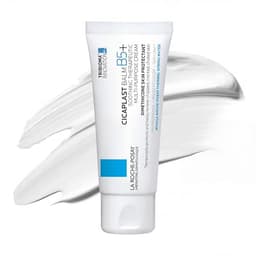
La Roche-Posay
Cicaplast Balm B5
The calming balm to keep alongside it. Rosacea-prone skin has a fragile barrier, and a panthenol balm is what you reach for on a bad week.
Frequently asked questions
Does azelaic acid help rosacea?
It is one of the topical treatments dermatologists use for rosacea, and the AAD specifically lists azelaic acid as effective for the acne-like breakouts of rosacea, noting it may also reduce long-lasting redness. The prescription strengths are higher than what you can buy over the counter, but the over-the-counter 10% works through the same mechanisms and is a legitimate starting point for mild cases.
What strength of azelaic acid should I use for rosacea?
Over the counter you will find 10%, which is the practical ceiling for a cosmetic product. Prescription azelaic acid is stronger — typically a 15% gel or foam for rosacea — and is what a dermatologist will reach for if the 10% is not enough. Start at 10%, once daily, and escalate through a doctor rather than by using more of a weaker product.
How long does azelaic acid take to work on rosacea?
Expect twelve weeks before judging it, with the bumps and papules usually responding before the background redness does. Some people notice less flushing sooner; persistent facial redness is the slowest thing to shift and the least likely to resolve fully with a topical alone. If nothing has changed in three months of consistent use, that is the point to see a dermatologist rather than to buy something stronger.
Does azelaic acid sting on rosacea-prone skin?
A brief tingle or warmth on application is common in the first couple of weeks and usually settles. Sustained burning, worsening redness or a flushing episode triggered by the product is a different matter — that means it is too much for your skin as applied. Drop to every other night, apply it over a moisturizer rather than under one, and use less.
Can I use azelaic acid with other rosacea treatments?
Often yes, but this is where a doctor should be involved. Azelaic acid is frequently used alongside prescription treatments for rosacea, and combining topicals is routine in dermatology — but rosacea has several subtypes with genuinely different treatments, and self-assembling a routine from over-the-counter products is how people end up irritating skin that was already inflamed.
Sources
- American Academy of Dermatology — Rosacea: Diagnosis and treatment — AAD on azelaic acid, metronidazole and ivermectin for rosacea (accessed August 19, 2026)
- A Comprehensive Review of Azelaic Acid: Pharmacological Properties, Clinical Applications and Topical Formulations (PMC) — Review of azelaic acid's action on pigmentation, inflammation and acne (accessed August 19, 2026)
- Mechanistic Basis and Clinical Evidence for Nicotinamide (Niacinamide) in Skin (PMC) — Review of niacinamide's barrier, ceramide and pigmentation effects (accessed July 17, 2026)
Keep reading
Azelaic acid for perioral dermatitis
The condition rosacea is most often confused with, and why the treatment is almost the opposite.
Read the guideBest actives for redness and rosacea-prone skin
The full routine — cleanser, actives, moisturizer and SPF — for skin that flushes and reacts.
See the picksBest azelaic acid products
The 10% shortlist compared on texture, supporting ingredients and whether they pill under sunscreen.
See the picksThe Ordinary Azelaic Acid Suspension 10% review
The cheapest tube on the shelf read off its label, with the 15% prescription gel's rosacea trial figures set beside it so you can see exactly what a 10% is and is not.
Read the reviewAzelaic vs mandelic acid
The two gentlest options for reactive skin, and which suits redness versus congestion.
Compare the twoAzelaic acid for hyperpigmentation
The other half of what azelaic acid does — why it targets overactive pigment cells specifically.
Read the guideAzelaic acid for acne
If the bumps turn out to be acne rather than rosacea, this is the same active read against the acne guidelines instead.
Read the guideBest actives for sensitive skin
What else is safe to build around azelaic acid when your skin reacts to most things.
See the picks