How to Use Salicylic Acid
The oil-soluble acid gets into the pore, which is why it works on congestion — and why using it everywhere at once is the most common way people wreck their barrier with it.
How this is funded: we earn a commission if you buy through our links, at no extra cost to you. It never changes which product we recommend, and we’ll tell you when we’d skip one. Full disclosure.
Salicylic acid is the acid people buy for blackheads, blocked pores and the general congestion that scrubs never fix, and it deserves that reputation. But it is used badly more often than any other active on this site, and almost always in the same way: applied in three products at once, every day, on skin that is already dry, by someone who assumed that because it treats oily skin it cannot dry it out. All four parts of that are wrong.
Why the “oil-soluble” part changes everything
Salicylic acid is a beta hydroxy acid, and unlike the AHAs it is oil-soluble. That single property is the whole reason to choose it. AHAs like glycolic and lactic acid are water-soluble, so they work on the surface, loosening dead cells on top. Salicylic acid dissolves into the oil in your pores, which means it can get inside the follicle and clear the plug of oil and dead skin that forms a blackhead or a clogged pore. It is also anti-inflammatory, which is why it calms the redness around a spot as well as unblocking it.
So the decision of whether to use salicylic acid at all is not about how oily your skin is — it is about where your problem sits. Rough, dull, sun-damaged surface texture wants an AHA. Blackheads, closed comedones and congestion want a BHA. Both at once is a real situation and a reason to alternate, not to layer. The full split is at AHA vs BHA.
Pick one format
This is the most important practical advice on the page, because the format decides how much acid your skin actually gets, and stacking formats is how people end up with a damaged barrier while believing they are being gentle.
A cleanser is on your skin for thirty to sixty seconds and then rinses off. It delivers relatively little, which makes it the easy way in for sensitive skin and the practical option for large areas like the chest and back. It will not do much for stubborn congestion.
A toner or liquid exfoliant is the standard leave-on format: swept over with a cotton pad or fingers after cleansing, left on. This is where the results are, and where 2% is the standard over-the-counter strength.
A serum or targeted treatment is a leave-on in a thicker base, sometimes with supporting ingredients like niacinamide. Functionally similar to a liquid; choose on texture and price.
Use one of these, not three. A salicylic cleanser followed by a salicylic toner followed by a salicylic serum is three doses of the same acid in one routine, and it is the single most common cause of over-exfoliation with a BHA. If you want a cleanser and a leave-on, make the cleanser a plain one.
Concentration and pH
Over the counter, 2% is the standard leave-on strength and the ceiling for acne use in the US; 0.5% to 1% appears in gentler formulas and cleansers. Higher-percentage products exist as peels and are a different proposition entirely.
The specification nobody publishes is pH. Salicylic acid needs an acidic environment — broadly in the low-to-mid 3s — to be present in the form that actually penetrates. A 2% product formulated at pH 5 is doing considerably less than the label implies, and almost no brand tells you. That is the sort of gap this site exists to point at: a stated 2% is necessary information, not sufficient information, and a brand that publishes both is telling you something about how much thought went into the formula.
The routine, in order
Cleanse with something plain and let your skin dry fully— applying acid to damp skin increases absorption and stinging, and is the reason some people find a product unbearable that others use nightly. Apply the salicylic acid to dry skin, avoiding the eye area and lips. Wait a minute or two. Then moisturize, and do not skip this because your skin is oily: dehydrating oily skin makes it produce more oil and does nothing good for congestion. If it is the morning, sunscreen last.
Frequency: two to three evenings a week to start. Hold there for three or four weeks. Increase only if nothing about your skin has changed for the worse. Plenty of people do well at three times a week permanently and gain nothing from going daily.
What to keep it away from
While you are building tolerance, salicylic acid should not share a routine with a retinoid, another exfoliating acid, or a benzoyl peroxideleave-on. Each of those is drying on its own; together they remove the barrier faster than it rebuilds. Alternating nights solves it completely — acid on Monday, retinoid on Tuesday — and there is no benefit to doing both at once.
What it pairs well with: niacinamide, which supports the barrier and helps with oil, and which has no conflict with a BHA despite a persistent myth to the contrary; hyaluronic acid; and a plain ceramide moisturizer. Our niacinamide and salicylic acid guide covers that pairing properly, and how to layer actives has the full conflict map.
Purging, and knowing when to stop
A short-lived increase in spots in the first few weeks is common and is usually purging: congestion that was already forming beneath the surface arriving sooner because turnover sped up. It happens where you normally break out and it resolves within four to six weeks. Spots appearing somewhere you never break out, or irritation that escalates rather than settles, is not purging — see purging vs breakout for the distinction.
Stop entirely if your skin feels tight and looks shiny or waxy, if products that never stung start stinging, if redness will not settle, or if you have become reactive to things that were previously fine. That is over-exfoliation, and the fix is two to four weeks of no acids at all with a bland moisturizer, not a gentler acid. The recovery routine is at how to repair your skin barrier.
General guidance, not medical advice. Actives & Acids is written by a skincare enthusiast, not a dermatologist. For a diagnosis, a reaction, or a prescription active like tretinoin, see a qualified professional. Introduce any new active slowly and patch-test first.
What we'd actually buy
Chosen from the same registry as our roundups, on published formulation facts rather than hands-on testing — here is exactly what we do instead.
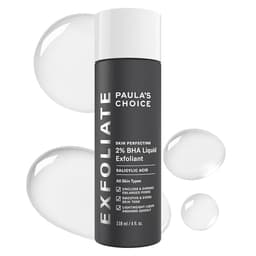
Paula's Choice
Skin Perfecting 2% BHA Liquid Exfoliant
A printed 2% BHA at the pH the acid actually needs — the leave-on we would start with, and the one most routines are built around.
See it ranked in fullPrice as of October 15, 2026. #ad How we’re funded
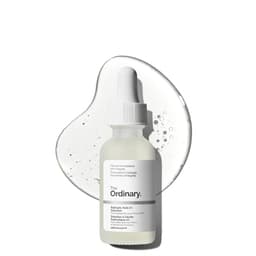
The Ordinary
Salicylic Acid 2% Solution
The budget 2% option if you want to find out whether a BHA suits you before committing to the price of the leading one.
See it ranked in fullPrice as of October 15, 2026. #ad How we’re funded
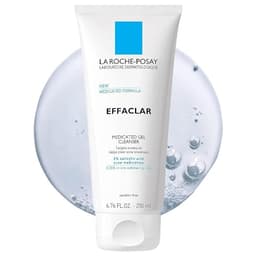
La Roche-Posay
Effaclar Medicated Gel Cleanser (2% Salicylic Acid)
If you would rather have salicylic acid in the rinse-off step, this is the gentler way in — short contact time, much less risk of overdoing it.
See it ranked in fullPrice as of October 15, 2026. #ad How we’re funded
Small things that make this easier
Ordinary supplies, not treatments. Nothing here changes what an active does — these are just the things the steps above assume you already have.
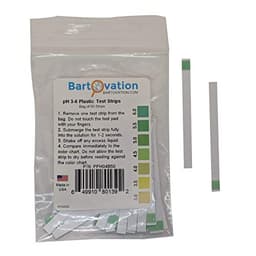
Bartovation
Short-range pH strips (3–6)
Leave-on acids do their work in a narrow pH window, and most brands never publish theirs. A short-range 3–6 strip can actually resolve that window; the 0–14 litmus paper sold for pools and aquariums cannot. Dip it in the product, not on your skin.
Price as of October 15, 2026. #ad How we’re funded
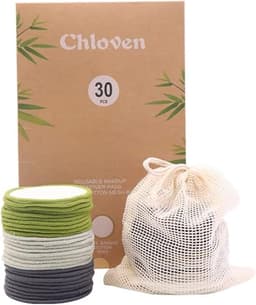
Chloven
Reusable cotton rounds (30-pack)
Every acid-toner step on this site starts with “sweep it on with a cotton pad.” Washable rounds do that without a bin bag of disposables a month, and a soft round is kinder than a coarse one on skin you have just exfoliated.
Frequently asked questions
How often should you use salicylic acid?
Start at two to three times a week and build only if that is comfortably uneventful after a few weeks. Some skin tolerates daily use of a low-strength product, but daily is not the default and it is not better. Frequency is what causes over-exfoliation with a BHA far more often than concentration is.
Should I use salicylic acid in the morning or at night?
Night is the simpler default. It gives the acid a clear slot away from sunscreen and makeup, and it keeps freshly exfoliated skin out of the sun. Morning use is fine if that is when you will actually do it and you wear broad-spectrum SPF — consistency beats optimal timing.
Can I use salicylic acid with retinol or benzoyl peroxide?
Not in the same routine while you are building tolerance. All three are drying and stacking them is the fastest route to a compromised barrier. Alternate nights — salicylic acid one evening, retinoid the next — and keep benzoyl peroxide to a wash or a different time of day. Once your skin is genuinely settled you can experiment, carefully.
Is a salicylic acid cleanser as good as a leave-on?
It is gentler, and that is both the advantage and the limit. A cleanser is on your face for under a minute before it rinses away, so it delivers far less acid — good for skin that cannot tolerate a leave-on, and for treating the chest and back, but less effective on stubborn congestion. A leave-on stays put and does more.
Does salicylic acid make you sun sensitive?
Less clearly than an AHA does. The FDA's guidance on beta hydroxy acids treats sun sensitivity as something manufacturers have to formulate and test around, and notes research suggesting salicylic acid may not raise it the way alpha hydroxy acids do. The practical answer is unchanged: wear daily broad-spectrum sunscreen. Freshly exfoliated skin is more exposed either way, and sun damage undoes the tone and texture results you are working for.
Why did salicylic acid make me break out?
Most likely purging rather than a reaction — because it speeds up turnover inside the pore, congestion that was already forming surfaces sooner. That typically settles within four to six weeks and shows up where you normally break out. Spots appearing in new places, or irritation that keeps escalating, is not purging and means you should stop.
Sources
- U.S. FDA — Beta Hydroxy Acids in Cosmetics — FDA on salicylic acid as a beta hydroxy acid (accessed July 17, 2026)
- American Academy of Dermatology — Acne: Diagnosis and treatment — AAD overview of benzoyl peroxide, retinoids, salicylic and azelaic acid for acne (accessed July 17, 2026)
- Chemical Peels for Skin Resurfacing — StatPearls (NCBI Bookshelf) — Reference overview of AHA/BHA exfoliation mechanisms (accessed July 17, 2026)
- American Academy of Dermatology — Face washing 101 — AAD guidance on gentle cleansing technique (accessed July 17, 2026)
Keep reading
Paula's Choice 2% BHA Liquid Exfoliant review
The bottle most people use for this: what is in it, what is missing from the label, and how often to actually apply it.
Read the reviewThe Ordinary Salicylic Acid 2% Solution review
The cheapest leave-on BHA, reviewed from its Drug Facts panel and its stated pH band.
Read the reviewBest salicylic acid products
The 2% shortlist compared on stated concentration, format and what each formula is actually for.
See the picksAHA vs BHA
Surface texture or clogged pores — the comparison that tells you whether salicylic acid is even your acid.
Compare the twoHow often to exfoliate
The frequency question that decides whether an acid helps your skin or quietly damages it.
Read the guideHow to get rid of blackheads
The main job people buy salicylic acid for, and what else belongs in the routine alongside it.
Read the guideSigns of over-exfoliation
The tell-tales that your BHA routine has gone too far, and how to recover.
Read the guide