Exfoliating Acids (AHA / BHA)
Glycolic, salicylic, azelaic, mandelic and lactic acid — which acid does what, at what strength and pH, and how to exfoliate without wrecking your barrier.
Chemical exfoliants dissolve the bonds holding dead cells on the surface of your skin, so instead of scrubbing them off with grit you let an acid loosen them evenly. Done right, that means smoother texture, a brighter tone, clearer pores and better product absorption. Done wrong — too strong, too often, or stacked on top of everything else — it means a stripped, stinging, over-exfoliated barrier. The whole game is matching the right acid, at the right strength, to your skin and your goal.
This hub sorts the acid aisle out. Below you’ll find our overall chemical-exfoliant roundup plus dedicated picks for glycolic, salicylic and azelaic acid, the plain-English AHA vs BHAexplainer, a head-to-head between the two most-searched acids, and a full glossary of every acid in one place. Start with the main roundup if you want one bottle to begin with, or read the explainer first if the alphabet soup of acids is what’s stopping you.
Everything in Acids
Best Chemical Exfoliants
AHA, BHA and PHA compared — the one acid most people should start with, plus picks by skin type.
Our top pick
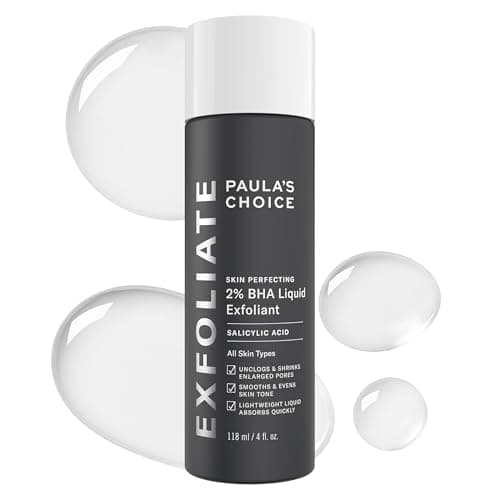
Paula's Choice Skin Perfecting 2% BHA Liquid Exfoliant
$37.00 · View on AmazonPrice as of October 19, 2026. #ad How we’re funded
Best Chemical Exfoliants for Sensitive Skin
The gentlest acids for reactive skin — mandelic, lactic and azelaic acid ranked on molecule size and how much they sting.
Our top pick
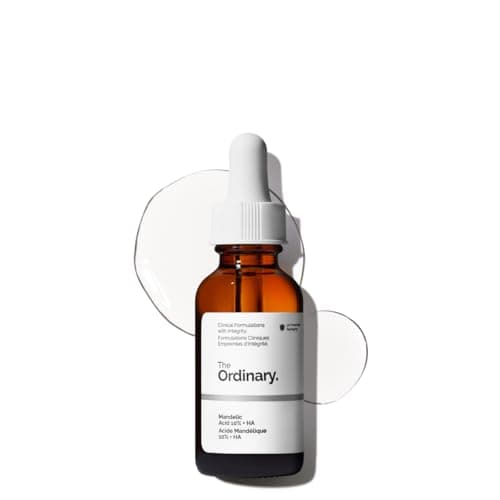
The Ordinary Mandelic Acid 10% + HA
$7.80 · View on AmazonPrice as of October 19, 2026. #ad How we’re funded
Best Glycolic Acid Products
Toners, gels and high-strength AHAs compared on stated percentage, pH and cost-per-mL.
Our top pick
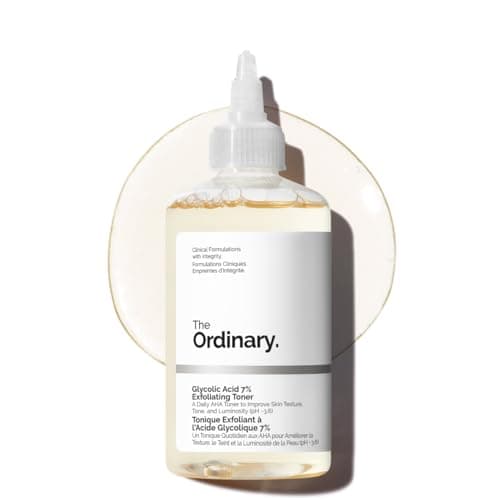
The Ordinary Glycolic Acid 7% Exfoliating Toner
$13.50 · View on AmazonPrice as of October 19, 2026. #ad How we’re funded
Best Salicylic Acid Products
The oil-soluble BHA that gets inside pores — leave-on picks for blackheads and congestion.
Our top pick
Paula's Choice Skin Perfecting 2% BHA Liquid Exfoliant
$37.00 · View on AmazonPrice as of October 19, 2026. #ad How we’re funded
Best Azelaic Acid Products
The gentle multitasker for redness, bumps and post-acne marks — the stated 10% picks, compared.
Our top pick
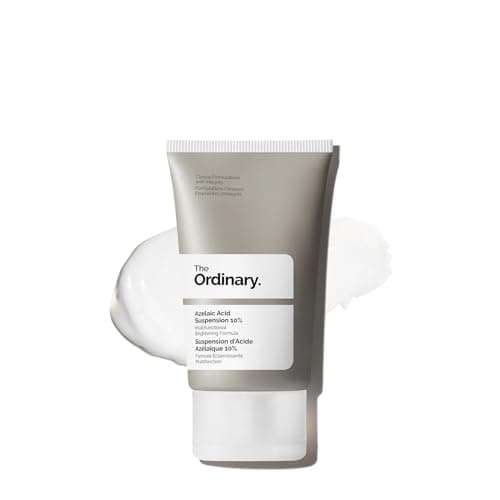
The Ordinary Azelaic Acid Suspension 10%
$12.20 · View on AmazonPrice as of October 19, 2026. #ad How we’re funded
AHA vs BHA (vs PHA)
Water-soluble vs oil-soluble, surface vs pore — a one-glance table for which acid suits your skin.
Glycolic Acid vs Salicylic Acid
The two most-searched acids head to head — glow and tone versus blackheads and oil.
Exfoliating Acids Explained
Every AHA, BHA and PHA in one list — molecule size, what it does, and how strong is too strong.
Lactic Acid vs Glycolic Acid
Two AHAs, one gentler. Lactic hydrates as it exfoliates; glycolic resurfaces harder and faster. Which suits your skin.
Azelaic Acid vs Mandelic Acid
Two gentle options for sensitive, acne-prone skin — azelaic calms redness and tone, mandelic resurfaces. Which to pick.
How Often Should You Exfoliate?
Two to three times a week for most, less for sensitive skin — how to find your cadence and spot over-exfoliation.
Mandelic Acid Benefits
Why mandelic acid's large molecule makes it the gentlest AHA — what it does for tone, texture and breakouts, and who it suits.
How to Use Glycolic Acid
The strongest common AHA rewards a slow, deliberate approach. How often, how to apply, and why daily sunscreen is non-negotiable.
Signs of Over-Exfoliation
Tightness, shine, stinging and breakouts that won't quit are the tells of a damaged barrier. How to spot it and recover.
Mandelic Acid vs Salicylic Acid
A gentle surface AHA against an oil-soluble BHA that works inside pores. Which suits breakout-prone or sensitive skin.
Azelaic Acid for Rosacea
The one over-the-counter active with a genuine prescription pedigree in rosacea — what 10% can realistically do, and where a doctor takes over.
Azelaic Acid for Hyperpigmentation
Why azelaic acid targets the pigment-making cells that are actually overactive, and why that makes it the gentler option for melasma-prone skin.
Lactic Acid Benefits: What It Actually Does
The big, slow AHA that hydrates while it exfoliates — what its molecular size buys you, and who should choose it over glycolic.
Glycolic Acid for Keratosis Pilaris
Chicken-skin bumps on arms and thighs respond to acids, not scrubs. What an AHA can and can't do for KP, and how to use one on body skin.
How to Use Salicylic Acid
Cleanser, toner or leave-on, how often, and what to stop pairing it with — the oil-soluble acid used properly instead of everywhere at once.
Azelaic Acid vs Niacinamide
Treatment versus maintenance — azelaic for redness, bumps and post-acne marks, niacinamide for barrier and oil. Which to buy, and why both is usually the answer.
Azelaic Acid for Acne
A conditional recommendation in the 2024 acne guideline, not a first-line one — what 10% realistically clears, and the one job it does better than benzoyl peroxide.
Best Chemical Exfoliant for Mature Skin
Skin over fifty sheds more slowly and tolerates less. Six acids ranked on stated strength, molecule size and how gently they smooth texture without stripping a thinner barrier.
Our top pick
The Ordinary Lactic Acid 10% + HA
$9.20 · View on AmazonPrice as of October 19, 2026. #ad How we’re funded
Chemical Exfoliants for Ingrown Hairs
Razor bumps on the bikini line, legs or beard are a keratin problem, and acids are the published fix. Which acid for which area, how often, and what the shaving step has to change.
Glycolic Acid for Armpits
The viral underarm trick, taken seriously: what glycolic acid can plausibly do to odor and darkening, what it cannot, and how to use a 7% toner there without a chemical burn.
The Ordinary Azelaic Acid Suspension 10% Review
The cheapest azelaic acid there is, reviewed off its label and the drug evidence: all seventeen ingredients, what a 10% buys you next to the 15% and 20% prescriptions, why the silicone texture divides people, and who should buy something else.
Our top pick
The Ordinary Azelaic Acid Suspension 10%
$12.20 · View on AmazonPrice as of October 19, 2026. #ad How we’re funded
The Ordinary Glycolic Acid 7% Toner Review
The biggest-selling cheap AHA on the shelf, reviewed off its label and the consumer-safety limits: all 42 ingredients, why 7% at pH 3.6 sits inside the US limit but above the EU's, the vasodilator nobody writes about, and the skin the brand itself warns off.
Our top pick
The Ordinary Glycolic Acid 7% Exfoliating Toner
$13.50 · View on AmazonPrice as of October 19, 2026. #ad How we’re funded
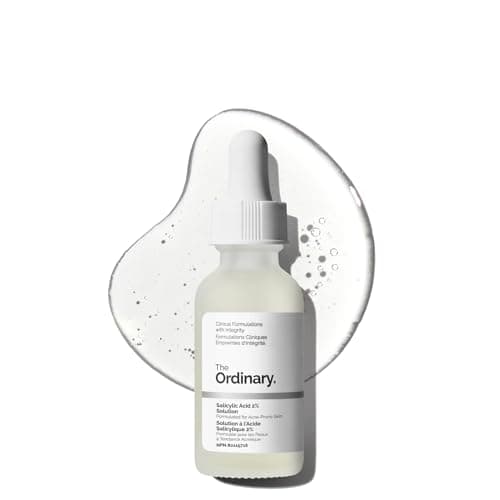
The Ordinary Salicylic Acid 2% Solution Review
The cheapest leave-on BHA on the shelf, reviewed off its label: why this one is an FDA over-the-counter acne drug rather than a cosmetic, what pH 3.20-4.00 buys you, and how it differs from the Anhydrous Solution buyers keep confusing it with.
Our top pick
The Ordinary Salicylic Acid 2% Solution
$6.70 · View on AmazonPrice as of October 19, 2026. #ad How we’re funded
Paula's Choice 2% BHA Liquid Exfoliant Review
The world's most-recommended chemical exfoliant is eight ingredients, and the salicylic acid is fourth on the list. What the other seven do, the pH the brand will not publish, and who should buy the cheap one.
Our top pick
Paula's Choice Skin Perfecting 2% BHA Liquid Exfoliant
$37.00 · View on AmazonPrice as of October 19, 2026. #ad How we’re funded
Best Chemical Exfoliant for Body
Your back, arms and legs are roughly twenty times the area of your face, so the 30 mL bottles that win our face roundups are the wrong purchase. Four big-format acids ranked on cost per milliliter.
Our top pick
The Ordinary Glycolic Acid 7% Exfoliating Toner
$13.50 · View on AmazonPrice as of October 19, 2026. #ad How we’re funded
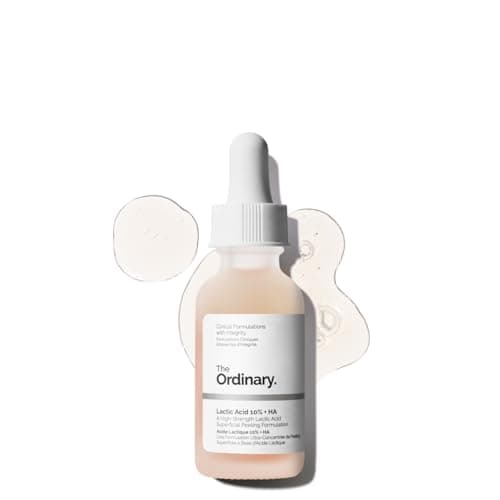
The Ordinary Lactic Acid 10% + HA Review
Fifteen ingredients, the acid second on the list, and a brand that publishes both its pH and the reason it chose it. The one The Ordinary acid whose pH is argued rather than asserted.
Our top pick
The Ordinary Lactic Acid 10% + HA
$9.20 · View on AmazonPrice as of October 19, 2026. #ad How we’re funded
The Ordinary Mandelic Acid 10% + HA Review
The acid people reach for when everything else stings, reviewed off its label: a glycol-first formula, a one-point pH band, and the molecular-weight argument behind the gentleness.
Our top pick
The Ordinary Mandelic Acid 10% + HA
$7.80 · View on AmazonPrice as of October 19, 2026. #ad How we’re funded
Azelaic Acid for Perioral Dermatitis
The rash around your mouth is usually cleared by taking products away, not adding one. Where azelaic acid genuinely helps, and the steroid rule that matters far more than any acid.
Glycolic Acid for Scalp Flaking
The Ordinary's own label now directs its glycolic toner at a dry scalp three times a week. What that does, what the dermatology guidance names instead, and when a shampoo is the better buy.
Azelaic Acid for Melasma
The AAD names azelaic acid as a gentler topical for melasma, and it is one of the few that is used in pregnancy. The strengths, the 3-to-12-month timeline, and why the sunscreen matters more than the serum.
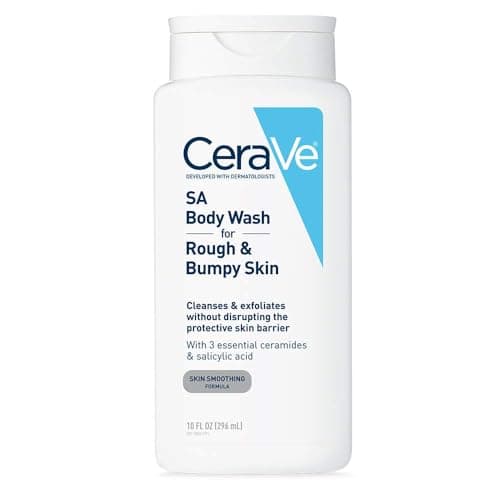
Best Exfoliating Body Wash
A wash is on your skin for about forty seconds, and that decides the whole category. Five acid body washes ranked on published percentage, pH, acid class and what else is in the bottle.
Our top pick
CeraVe SA Body Wash for Rough & Bumpy Skin
$13.99 · View on AmazonPrice as of October 19, 2026. #ad How we’re funded
Azelaic Acid vs Salicylic Acid: Which One Is Yours?
One works inside the pore, the other works on redness and pigment. Which to buy for blackheads, rosacea, inflamed spots and post-acne marks — and why they share almost no mechanism.
Our top pick
Paula's Choice Skin Perfecting 2% BHA Liquid Exfoliant
$37.00 · View on AmazonPrice as of October 19, 2026. #ad How we’re funded
How Long Does Azelaic Acid Take to Work?
Four weeks for spots, twelve weeks for rosacea redness, three to twelve months for pigment — the timescales from the FDA labels and the AAD's own guidance, not our estimates.
Our top pick
The Ordinary Azelaic Acid Suspension 10%
$12.20 · View on AmazonPrice as of October 19, 2026. #ad How we’re funded
How to Get Rid of Strawberry Legs
Four different problems share one name — clogged follicles, folliculitis, keratosis pilaris and post-shave irritation. How to tell which you have before you buy anything.
How to choose an exfoliating acid
Match the acid to the job. AHAs(alpha hydroxy acids) like glycolic and lactic are water-soluble and work on the surface — best for dullness, rough texture and uneven tone. BHA (salicylic acid) is oil-soluble, so it gets inside the pore — best for blackheads, congestion and oily, acne-prone skin. Azelaic and mandelicacid are the gentle multitaskers for redness, bumps and sensitive skin. If you don’t know where to start, our best chemical exfoliants roundup names the one most people should reach for first, and glycolic vs salicylic settles the most common decision: glow and tone versus blackheads and oil.
What decides the price and the cost-per-mL
With acids, the number on the front is only half the story — the pH and the exact acid decide how much of that percentage is actually active. A 7% glycolic toner at a low, effective pH can out-work a 10% at a sloppy one, which is why we read the stated percentage and note pH where a brand publishes it. Price mostly tracks format and base, not potency: a simple toner is cheap per milliliter, a leave-on gel or serum with added soothers costs more, and a weekly high-strength peel is priciest per bottle but you use it rarely, so its cost-per-usecan be low. Work out cost-per-mL, then adjust for how often you’ll actually use it — a daily toner and a once-a-week peel are not the same math.
The mistake buyers make
Over-exfoliating is the number-one error. More acids, higher percentages, and daily use do not equal better skin — they equal a compromised barrier that stings, flakes and breaks out, which people often mistake for “not exfoliating enough” and then double down on. Start with one acid, two or three times a week, and build from there. The second mistake is stacking acids with retinol or benzoyl peroxide the same night when you’re starting out; alternate them on separate evenings instead. And because AHAs increase sun sensitivity, daily sunscreen is part of the deal, not optional. If you want to go deeper on which molecule does what, our acids explained glossary lists every AHA, BHA and PHA with how strong is too strong.
How to know you’re over-exfoliating
Your skin will tell you long before real damage sets in, if you know the signs. Early warnings are a tight, shiny, waxy look, stinging when you apply anything (even plain moisturizer or water), and skin that feels dehydrated no matter how much you hydrate it. Push further and you get persistent redness, small flaky patches, and breakouts that don’t behave like your usual ones — often misread as “not exfoliating enough,” which sends people the exact wrong direction. If any of that shows up, stop all acids and retinol, drop back to a gentle cleanser, a bland moisturizer and sunscreen, and let the barrier recover for a week or two before reintroducing anything. When you come back, come back slower and with one acid, not three. The goal is smoother skin, not the most aggressive routine you can tolerate on a good day.
Frequently asked questions
What's the difference between AHA and BHA?
AHAs (like glycolic and lactic acid) are water-soluble and work on the skin's surface — best for dullness and rough texture. BHA (salicylic acid) is oil-soluble and gets inside pores — best for blackheads, congestion and oily, acne-prone skin.
Which exfoliating acid should a beginner start with?
For most people, one gentle acid used two or three times a week: a low-strength glycolic or lactic AHA for texture and tone, or salicylic (BHA) if your main concern is clogged pores and oiliness. Mandelic or azelaic acid suit sensitive skin.
How often should I use an exfoliating acid?
Start two or three times a week and only increase if your skin stays comfortable. Daily use suits some people once tolerant, but over-exfoliating — stinging, flaking, new breakouts — means you're using it too strong or too often. Ease off, don't push through.
Do exfoliating acids make you more sensitive to the sun?
AHAs increase sun sensitivity, so daily broad-spectrum sunscreen is essential when you use them — both to protect newly exposed skin and to keep the tone-evening results you're working for. BHA is less of an issue, but SPF is still smart.
Sources
- U.S. FDA — Alpha Hydroxy Acids — FDA on AHAs and increased sun sensitivity (accessed July 17, 2026)
- U.S. FDA — Beta Hydroxy Acids in Cosmetics — FDA on salicylic acid as a beta hydroxy acid (accessed July 17, 2026)
- Chemical Peels for Skin Resurfacing — StatPearls (NCBI Bookshelf) — Reference overview of AHA/BHA exfoliation mechanisms (accessed July 17, 2026)