How to choose a retinol cream
Start with the base, not the retinol. Because you cannot compare doses across creams that refuse to state one, the specification that reliably changes your experience is what the retinol is sitting in. A cream with niacinamide or hyaluronic acid in the formula is buying back some of the dryness the retinol will cause, and niacinamide in particular has the strongest published record of any retinol partner for barrier support and redness. A fragrance-free formula removes the single most avoidable irritant on a product you leave on all night over skin that a retinoid has already made more reactive. If you are choosing between two creams and one is fragranced, the decision is made.
Why we don’t rank by percentage — and why that’s fine
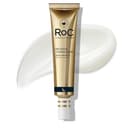
Only one cream here prints a figure, and it prints 2.5% retinol complex— which is not 2.5% pure retinol. A “complex” is a blended delivery system, so that number is not comparable to the 0.5% or 1% on a serum bottle. We still rank the disclosure above the silence, because a brand willing to describe its system is a brand you can at least interrogate.
Here is the part the marketing never says: for most people the percentage is not the limiting factor anyway. Tolerance is. The dose that works is the highest one your skin will accept without you quitting, and almost everyone finds that ceiling by feel, not by arithmetic. A perfectly labeled 1% you abandon in three weeks does less than an unlabelled cream you use twice a week for a year. That is the honest case for creams: they are the format people actually keep using. If you want the control a stated figure gives you, buy a serum — our best retinol serums roundup is where the published percentages live.
Cream or serum — the real decision
Choose a cream if your skin is normal to dry, you want one night step rather than two, you have abandoned retinol before because the routine got fussy, or you are in winter and your face needs the emollient anyway. If it is specifically the skin around your eyes you are worried about, that is a different purchase again — see our best retinol eye creams picks. Choose a serum if your skin is oily and a rich cream feels like too much, if you want to climb strengths deliberately over time, or if you already own a moisturizer you like and only want to add the active. There is no third answer where one format is objectively better; there is only which one matches your skin and your patience.
How to introduce a cream without the flaking
The ramp is the same regardless of format, and it is the part people skip. Start at two nights a week on dry skin, using a pea-sized amount for the whole face, and hold that frequency for at least two to three weeks before adding a night. Do not layer it on the same night as an exfoliating acid while you are building tolerance. Wear sunscreen daily, because retinoids increase sun sensitivity and UV undoes the tone work you are paying for. If you go red and flaky, drop back a step rather than stopping altogether — our how often to use retinol guide has the full schedule by skin type, and retinol side effects covers what is normal adjustment versus a signal to stop.