Trusted, independent ingredient reviews
The actives and acids that actually work, explained.
Retinol, vitamin C, niacinamide and the exfoliating acids — glycolic, salicylic, azelaic — compared on what’s in the bottle, not the marketing. We read the labels, compile the published concentrations, do the cost-per-mL math, and tell you plainly when to skip one. No sponsorships, no free products.
- 85
- products with live, dated prices
- October 19, 2026
- prices last verified
- 48h
- then a price expires rather than go stale
- 0
- products we claim to have tested in a lab
This month’s top picks
The single best product in each category, with a live price you can act on. Tap through for the full comparison and why it won.
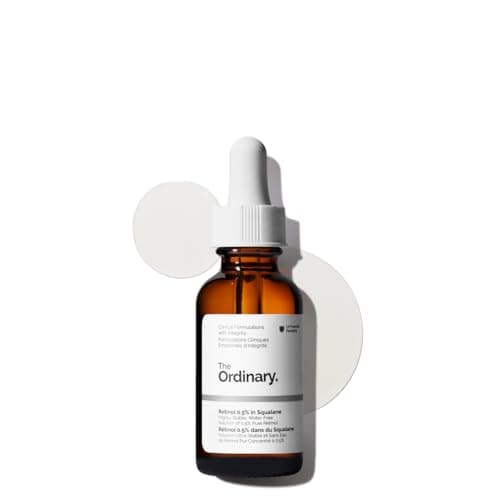
Best retinol serum
The Ordinary Retinol 0.5% in Squalane
Newcomers ready to graduate from an entry-level dose
$9.30 · View on AmazonSee the full comparisonPrice as of October 19, 2026. #ad How we’re funded
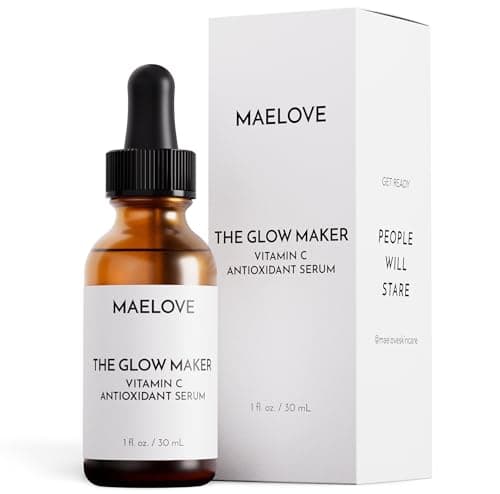
Best vitamin C serum
Maelove Glow Maker Vitamin C Serum
Anyone chasing the L-ascorbic, E and ferulic pairing
$39.90 · View on AmazonSee the full comparisonPrice as of October 19, 2026. #ad How we’re funded
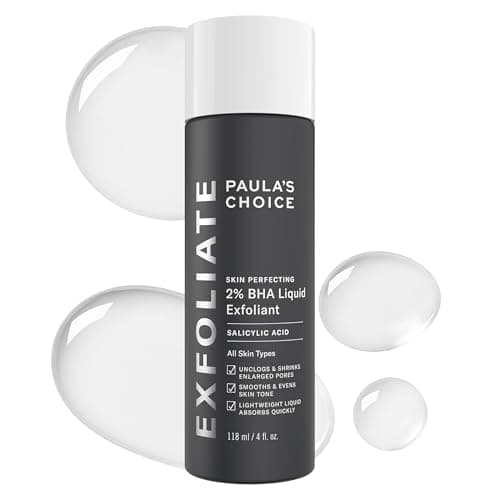
Best chemical exfoliant
Paula's Choice Skin Perfecting 2% BHA Liquid Exfoliant
Blackheads, clogged pores and oily skin
$37.00 · View on AmazonSee the full comparisonPrice as of October 19, 2026. #ad How we’re funded
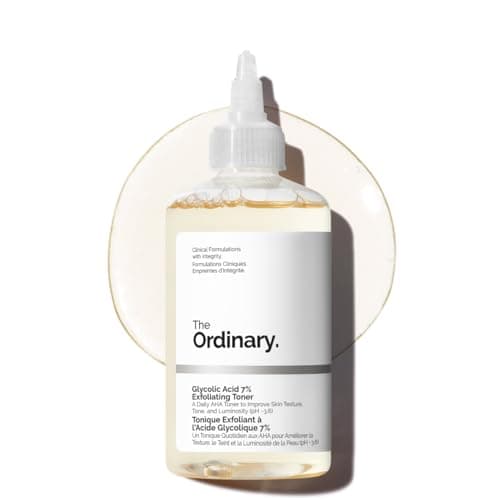
Best glycolic acid
The Ordinary Glycolic Acid 7% Exfoliating Toner
Surface texture and glow on non-sensitive skin
$13.50 · View on AmazonSee the full comparisonPrice as of October 19, 2026. #ad How we’re funded
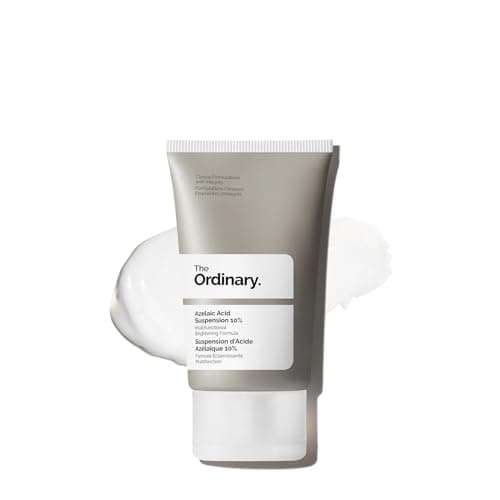
Best azelaic acid
The Ordinary Azelaic Acid Suspension 10%
Redness, rosacea-prone skin and post-acne marks
$12.20 · View on AmazonSee the full comparisonPrice as of October 19, 2026. #ad How we’re funded
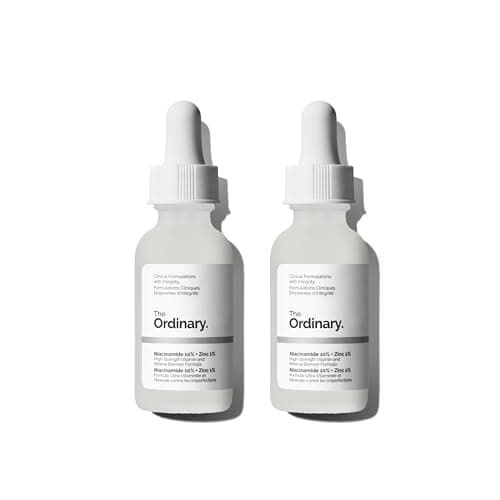
Best niacinamide serum
The Ordinary Niacinamide 10% + Zinc 1%
Oily, breakout-prone skin watching its wallet
$12.00 · View on AmazonSee the full comparisonPrice as of October 19, 2026. #ad How we’re funded
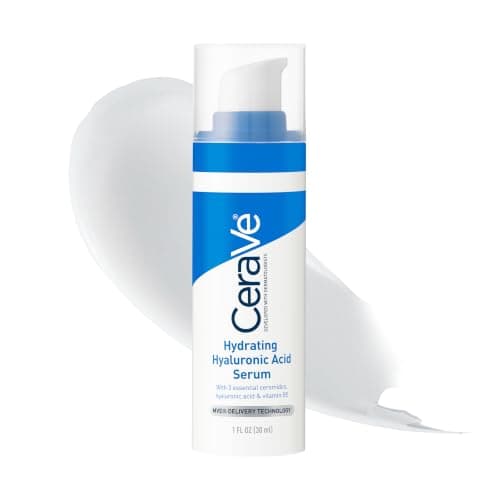
Best hyaluronic acid serum
CeraVe Hyaluronic Acid Serum (B5 + Ceramides)
Most anyone after a straightforward hydration step
See the full comparisonBest acne treatment
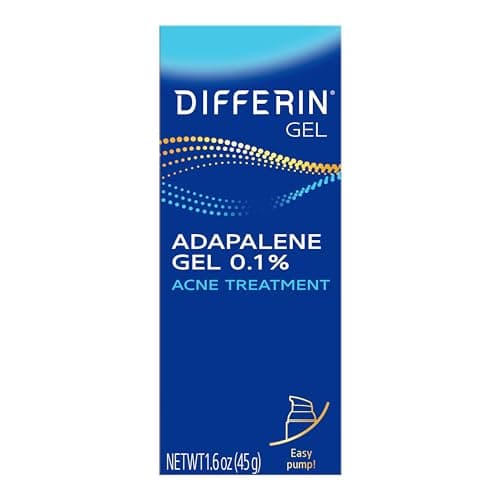
Differin Adapalene Gel 0.1%
Acne-prone skin ready to commit to a retinoid
$23.97 · View on AmazonSee the full comparisonPrice as of October 19, 2026. #ad How we’re funded
Buying skincare as a gift?
Skincare is a hard gift to get right, and the usual instinct — spend more, buy the biggest set — is backwards here. Our gift guides are written for the person doing the buying rather than the enthusiast: same products, same ingredient research, re-explained for someone who doesn’t know the category and can’t ask the recipient.
Start here
Eight ways in, by the active you’re curious about, the concern you’re treating, the routine you’re trying to build — or the person you’re buying a gift for.
Retinoids
Retinol, retinal, adapalene and tretinoin — the most evidence-backed anti-aging actives, ranked by stated strength and matched to how much irritation your skin will tolerate.
Vitamin C
L-ascorbic acid versus the gentler derivatives, the concentrations that matter, and why the form and the packaging decide whether a vitamin C serum actually works.
Exfoliating Acids (AHA / BHA)
Glycolic, salicylic, azelaic, mandelic and lactic acid — which acid does what, at what strength and pH, and how to exfoliate without wrecking your barrier.
Hydration & Barrier
Niacinamide, hyaluronic acid, ceramides and peptides — the supporting actives that hydrate, calm and hold the barrier together so the stronger stuff doesn't wreck it.
Acne Actives
Adapalene, benzoyl peroxide, salicylic and azelaic acid — the ingredients with real acne evidence, how they differ, and how to use them without destroying your barrier.
By Concern
Start from the problem, not the ingredient: dark spots, aging or sensitive skin. The actives that treat each one, cross-referenced across every acid and vitamin.
Guides
How to put it all together — the order to apply things, how to layer actives without a conflict, and how to start from scratch without wrecking your barrier.
Skincare Gifts & Deals
Buying skincare for someone else, without knowing the category. Gift guides by who you are shopping for, plus our Black Friday and Cyber Monday page for the people who would rather wait for a price.

Why trust a site that hasn’t tested anything?
Because we don’t pretend otherwise. Most “we tested 30 serums” roundups didn’t, and can’t prove they did. Here is what we do instead — and every bit of it is checkable.
We read the label against the evidence
Every pick is reasoned from the published INCI and the formulation literature — stated concentration, acid type and pH, base and buffering — not from a claim we can't verify.
We do the cost-per-mL math
A '23%' vitamin C in a 30 ml bottle and a 5% glycolic in a 250 ml one aren't priced the way they look. We compute what a product actually costs to use, and say when the cheap one wins.
“Not published” is a finding
When a brand won't state its retinol percentage or acid pH, we print “Not published” rather than guessing. What a brand hides is information too.
We say when to skip
A higher number isn't automatically better — past the studied range you usually buy irritation, not benefit. Where a gentler or cheaper option wins, that's our pick. Commission doesn't decide it.
No fake reviews, ever
There are no invented testimonials, star ratings or before-and-afters anywhere on this site. If we can't source it, it isn't here.
One honest author
Written by an enthusiast who's genuinely into ingredients, not a dermatologist — and nothing here is medical advice. For a diagnosis or a prescription active, see a professional.
Read these first
AHA vs BHA vs PHA
Which exfoliating acid suits your skin — water-soluble vs oil-soluble, surface vs pore — in one comparison table.
Read the guideThe correct skincare routine order
Every step, morning and night, in the order that actually lets each active work — with a one-glance table.
Read the guideHow to layer actives without a conflict
Our layering conflict matrix — what's safe together, what to alternate, and what to keep in separate routines.
Read the guide
Latest guides & reviews
The most recent additions to the library, across every active we cover.
- The Ordinary Retinol 0.5% in Squalane ReviewRetinoids
- Vitamin C and Sunscreen: How to Use Them TogetherVitamin C
- Best Exfoliating Body WashAcids
- Ceramides vs Hyaluronic Acid: Which Does Your Skin Need?Hydration
- Best Moisturizer for Acne-Prone SkinAcne
- Best Skincare for MenGuides
- Retinol vs Glycolic Acid: Which One Do You Need?Retinoids
- Azelaic Acid vs Salicylic Acid: Which One Is Yours?Acids
- Peptides for Skin: The Benefits, and the Honest LimitsHydration
- Mineral vs Chemical Sunscreen: Which Should You Buy?Guides
- Retinol and Salicylic Acid: Can You Use Them Together?Retinoids
- How Long Does Azelaic Acid Take to Work?Acids
- How to Get Rid of Strawberry LegsAcids
How this site is funded
Actives & Acids is free to read because some of the links to products are affiliate links: if you buy through one, we may earn a small commission at no extra cost to you. As an Amazon Associate we earn from qualifying purchases. It never changes which product we recommend — the reasoning is the same whether a link earns us anything or not.