Actives & Acids

Best Vitamin C Serum for Acne-Prone Skin

Vitamin C does not treat acne, but it is the best-evidenced brightener for the marks acne leaves behind. Five serums ranked for skin that breaks out: texture, what rides alongside the acid, and whether the bottle will fight your acne treatment or help it.

By Stephen V.Last updated How we pick

Start with what vitamin C is not. It is not an acne treatment. The American Academy of Dermatology’s list of over-the-counter acne actives is benzoyl peroxide, retinoids like adapalene, salicylic acid and azelaic acid; vitamin C is not on it, and no serum on this page will stop a breakout. What vitamin C is, per the dermatology literature, is a well-studied antioxidant and brightener — and for acne-prone skin that matters, because the breakout usually lasts a week and the brown or red mark it leaves lasts months. If your complaint is “my face is more marks than spots,” vitamin C is one of the actives that addresses the marks.

The problem is that most vitamin C serums are formulated for dry, mature skin, and on skin that breaks out they can go wrong in three ways: a heavy or silicone-based texture that sits in pores, a stinging L-ascorbic acid formula on skin already irritated by benzoyl peroxide or a retinoid, and an ingredient list that stacks a second exfoliant on top of the one you already use. We ranked five serums on exactly those points — texture, what else is in the bottle, whether the brand publishes a concentration, and how the formula sits next to a real acne routine. We own none of them and have tested nothing; everything here is read from published ingredient lists and the evidence.

How this is funded: we earn a commission if you buy through our links, at no extra cost to you. It never changes which product we recommend, and we’ll tell you when we’d skip one. Full disclosure.

Quick picks

Ranked on formulation, stated concentration and buyer fit. Select a row to jump to the full write-up. We have not tested these products — here is exactly what we do instead.

#ProductBest forPrice
1
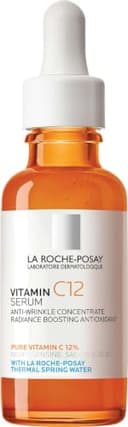
La Roche-Posay Pure Vitamin C10 Serum

La Roche-Posay Pure Vitamin C10 Serum

10% pure vitamin C with a touch of salicylic acid and hyaluronic acid, adding light texture-smoothing on top of the brightening. It fits oilier, breakout-prone skin best.

Best overall for acne-prone skin
$35.24 · View on Amazon

$44.9922% off

Price as of September 19, 2026. #ad How we’re funded

2
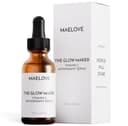
Maelove Glow Maker Vitamin C Serum

Maelove Glow Maker Vitamin C Serum

Builds on the one antioxidant trio with real research support — L-ascorbic acid alongside vitamin E and ferulic acid — for a sliver of the price of the prestige serum it mimics. Reach for it when you want the studied formulation.

Best fragrance-free
$39.90 · View on Amazon

Price as of September 19, 2026. #ad How we’re funded

3
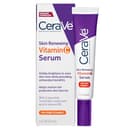
CeraVe Vitamin C Serum with 10% Pure Vitamin C

CeraVe Vitamin C Serum with 10% Pure Vitamin C

A labeled 10% pure vitamin C rounded out with ceramides and hyaluronic acid — the easiest on-ramp to L-ascorbic acid, since the barrier support rides along in the same bottle. No fragrance.

Best for dry, acne-prone skin
$21.74 · View on Amazon

$28.9925% off

Price as of September 19, 2026. #ad How we’re funded

4
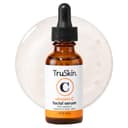
TruSkin Vitamin C Serum

TruSkin Vitamin C Serum

An Amazon top-seller founded on sodium ascorbyl phosphate — a mild vitamin C derivative rather than L-ascorbic acid. It irritates less, but it also brightens more gently and more slowly, so keep expectations grounded.

Best if L-ascorbic acid stings
$19.99 · View on Amazon

Price as of September 19, 2026. #ad How we’re funded

5
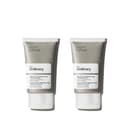
The Ordinary Vitamin C Suspension 23% + HA Spheres 2%

The Ordinary Vitamin C Suspension 23% + HA Spheres 2%

The least expensive route to a truly high 23% L-ascorbic acid dose — the trade being a gritty, silicone feel that not everyone can live with. A budget winner with a catch we won't hide.

Budget pick, with a texture caveat
$13.76 · View on Amazon

$16.2015% off

Price as of September 19, 2026. #ad How we’re funded

The picks in full

#1Best overall for acne-prone skin

La Roche-Posay Pure Vitamin C10 Serum

10% pure vitamin C with a touch of salicylic acid and hyaluronic acid, adding light texture-smoothing on top of the brightening. It fits oilier, breakout-prone skin best.

Strengths

  • A disclosed 10% L-ascorbic acid
  • A dose of salicylic acid works on texture and congestion
  • Built for sensitive skin in spite of the active load

Trade-offs

  • That salicylic acid is wasted if a BHA is already in your routine
  • Expensive compared with the drugstore 10% alternatives
Key activeL-ascorbic acid (vitamin C)
Stated concentration10%
FormatLightweight serum
Fragrance-freeNo
Best forOily, Combination, Blemish-prone

Formulation note. 10% pure vitamin C with salicylic acid and hyaluronic acid. The BHA turns it into a two-for-one, which only helps if you aren't exfoliating somewhere else already.

Ingredients and claims read from the product listing, on July 18, 2026. “Not published” means the brand does not state that figure.

#2Best fragrance-free

Maelove Glow Maker Vitamin C Serum

Builds on the one antioxidant trio with real research support — L-ascorbic acid alongside vitamin E and ferulic acid — for a sliver of the price of the prestige serum it mimics. Reach for it when you want the studied formulation.

Strengths

  • L-ascorbic acid, vitamin E and ferulic acid — the antioxidant combination the studies actually looked at
  • Lightweight and free of fragrance
  • A fraction of the cost of the high-end serum it's patterned after

Trade-offs

  • L-ascorbic acid degrades with time, so buy it fresh, keep it cool and toss it once it browns
  • It may prickle at first while skin gets used to it
Key activeL-ascorbic acid (vitamin C)
Stated concentration15%
FormatLightweight fluid
Fragrance-freeYes
Best forNormal, Combination, Dull skin

Formulation note. 15% L-ascorbic acid with vitamin E and ferulic acid — the mix the dermatology literature credits with steadying vitamin C and improving sun protection. This is the version worth seeking out.

Ingredients and claims read from the product listing, on July 18, 2026. “Not published” means the brand does not state that figure.

#3Best for dry, acne-prone skin

CeraVe Vitamin C Serum with 10% Pure Vitamin C

A labeled 10% pure vitamin C rounded out with ceramides and hyaluronic acid — the easiest on-ramp to L-ascorbic acid, since the barrier support rides along in the same bottle. No fragrance.

Strengths

  • Names a 10% pure vitamin C dose — a disclosed, level-headed place to start
  • Ceramides and hyaluronic acid counter the dryness L-ascorbic acid can bring on
  • Fragrance-free and easy to find on shelves

Trade-offs

  • The opaque tube aids stability, yet it also hides any oxidation from view
  • 10% does the job but isn't the strongest option out there
Key activeL-ascorbic acid (vitamin C)
Stated concentration10%
FormatLight lotion-serum
Fragrance-freeYes
Best forSensitive, Dry, Normal

Formulation note. 10% pure vitamin C with hyaluronic acid and three essential ceramides. Those ceramides are the reason it works as a gentle entry point.

Ingredients and claims read from the product listing, on July 18, 2026. “Not published” means the brand does not state that figure.

#4Best if L-ascorbic acid stings

TruSkin Vitamin C Serum

An Amazon top-seller founded on sodium ascorbyl phosphate — a mild vitamin C derivative rather than L-ascorbic acid. It irritates less, but it also brightens more gently and more slowly, so keep expectations grounded.

Strengths

  • Sodium ascorbyl phosphate holds up far better and stings far less than L-ascorbic acid
  • Rounds itself out with hyaluronic acid and vitamin E
  • Cheap and reviewed by the thousands

Trade-offs

  • Being a derivative, its brightening evidence lags behind L-ascorbic acid's
  • It carries botanical extracts that can trouble the most reactive complexions
Key activeSodium ascorbyl phosphate (vitamin C derivative)
Stated concentrationNot published
FormatLight lotion
Fragrance-freeNot published
Best forSensitive, Vitamin-C-intolerant

Formulation note. Runs on sodium ascorbyl phosphate instead of L-ascorbic acid. Derivatives are milder and more shelf-stable, but they have to convert in the skin and stand on less evidence — a reasonable swap for reactive skin.

Ingredients and claims read from the product listing, on July 18, 2026. “Not published” means the brand does not state that figure.

#5Budget pick, with a texture caveat

The Ordinary Vitamin C Suspension 23% + HA Spheres 2%

The least expensive route to a truly high 23% L-ascorbic acid dose — the trade being a gritty, silicone feel that not everyone can live with. A budget winner with a catch we won't hide.

Strengths

  • A labeled 23% pure L-ascorbic acid — seriously high
  • The waterless suspension holds up against oxidation better than water-based serums
  • The cheapest per application of any vitamin C on this list

Trade-offs

  • A gritty, slightly draggy feel is the frequent gripe
  • At 23% it can burn or trigger a purge on sensitive skin, so it's no place to begin
Key activeL-ascorbic acid (vitamin C)
Stated concentration23%
FormatGritty silicone suspension
Fragrance-freeYes
Best forOily, Resilient, Not sensitive

Formulation note. 23% L-ascorbic acid particles suspended in silicones, a waterless base chosen for stability. The strength is high and the texture compromise is real — and we'll come out and say it.

Ingredients and claims read from the product listing, on July 18, 2026. “Not published” means the brand does not state that figure.

How we ranked these

1. Texture, because pores are the whole question

Acne-prone skin needs a vitamin C that disappears. Water-light fluids and thin serums rank ahead of lotions; lotions rank ahead of anything suspended in silicone. That single criterion is why The Ordinary’s 23% suspension — the highest stated strength on the page and the cheapest per use — sits last. Its waterless silicone base is what keeps the L-ascorbic acid stable, and it is also a gritty, draggy layer that our own listing flags as capable of triggering a purge on sensitive skin. On breakout-prone skin, that is a real cost. The three water-based L-ascorbic serums above it are the safer textures.

2. What else is in the bottle, and whether it duplicates your routine

La Roche-Posay’s Pure Vitamin C10 wins because it is the one serum here built for this reader: a stated 10% L-ascorbic acid with salicylic acid alongside it, in a lightweight serum the brand positions for sensitive, breakout-prone skin. That salicylic acid is a genuine bonus for congestion — and, honestly, a duplication if you already use a leave-on 2% BHA, in which case the Maelove Glow Maker is the better buy: the L-ascorbic, vitamin E and ferulic acid trio the literature actually studied, fragrance-free, in a lightweight fluid. Note that the La Roche-Posay is not fragrance-free per its listing, which is the one reason it does not run away with the page.

3. Published concentration, and why 10% is enough here

Four of the five publish a percentage: 10%, 15%, 10% and 23%. On acne-prone skin, more is not the goal. The point of vitamin C for post-acne marks is consistent daily use over months, and a 10% you can wear every morning without stinging beats a 23% you use twice and shelve. CeraVe’s 10% earns its slot for the acne-prone reader whose skin is also dry — often the person on a retinoid — because the ceramides in the bottle offset the dryness L-ascorbic acid can bring.

4. Derivative versus L-ascorbic acid

TruSkin uses sodium ascorbyl phosphate, a vitamin C derivative, rather than L-ascorbic acid. The trade is clear and we state it plainly: derivatives sting far less and hold up better in the bottle, but they have to convert in the skin and the brightening evidence behind them is thinner. For skin that flares on every pure vitamin C it has tried, that trade is worth making. The full explanation is in L-ascorbic acid vs vitamin C derivatives.

Fitting vitamin C into an acne routine

Vitamin C goes in the morning, before moisturizer and sunscreen, on clean skin. That timing is not just convention — the antioxidant work is daytime work, and it keeps the serum away from the retinoid or benzoyl peroxide most acne routines run at night. The practical sequence for someone on an over-the-counter acne plan looks like this:

  • Morning: gentle cleanse (a benzoyl peroxide wash if that is your treatment — rinse thoroughly), vitamin C serum on dry skin, moisturizer, sunscreen. Sunscreen is doubly important, because UV darkens the marks vitamin C is trying to fade.
  • Night: cleanse, then your leave-on treatment — adapalene, a 2% BHA, or azelaic acid — then moisturizer. No vitamin C.
  • Introducing it: one new product at a time, two to three weeks apart. If your skin is mid-purge on adapalene, wait until it settles; adding an acid to a purge tells you nothing except that your face hurts.

The two pairings people ask about most are covered on their own pages: vitamin C and niacinamide (yes, they layer fine, and niacinamide helps the oiliness side) and vitamin C and retinol (same day, different halves of it).

Vitamin C for the marks, not the scars

Be precise about what you are treating. The flat brown or purplish stain left after a spot heals is post-inflammatory hyperpigmentation, and it is what vitamin C, azelaic acid and daily sunscreen are for. A pitted or raised scar you can feel with a fingertip is true scarring, and no serum on this page touches it — that is a dermatologist’s job. If marks are your main problem, azelaic acid deserves equal billing because it works on both the breakout and the pigment; best serums for acne scars ranks the whole category, and best vitamin C serum for dark spots is the pigment-first version of this list.

Signs a vitamin C serum is wrong for your skin

New closed comedones a week or two after starting are usually the texture, not the acid — switch to a lighter, water-based formula. Stinging that fades in a minute is normal for L-ascorbic acid at first; stinging that lasts, or redness that persists past the hour, means the concentration or the pH is too much for your skin right now, and a derivative or a 10% is the move. And a serum that has turned dark orange or brown has oxidized — it is no longer doing much, and on acne-prone skin it can stain. Buy small, store it cool and dark, and replace it when the color turns. Our how to use vitamin C serum guide covers storage and dosing in full.
Frequently asked questions

Does vitamin C serum help acne?

Not the acne itself. The over-the-counter actives with evidence for breakouts are benzoyl peroxide, adapalene, salicylic acid and azelaic acid, and vitamin C is not among them. What vitamin C does for acne-prone skin is address the brown and red marks left after spots heal, as an antioxidant and brightener with a solid dermatology literature behind it. Use it for the aftermath, and use a real acne treatment for the breakouts.

Can vitamin C serum cause breakouts?

The acid rarely does; the base sometimes does. Heavy, silicone-suspended or oil-rich vitamin C formulas can sit in pores on acne-prone skin, which is why texture is the first criterion on this page and why The Ordinary's 23% suspension ranks last despite its price and strength. If you break out a week or two after starting a vitamin C, switch to a lighter water-based serum before blaming the ingredient.

Can I use vitamin C with benzoyl peroxide or adapalene?

Yes, in separate halves of the day. Vitamin C in the morning under sunscreen, the benzoyl peroxide or adapalene at night — that separation is standard and it avoids putting an acid on freshly irritated skin. Introduce them weeks apart, and if you are mid-purge on adapalene, let that settle before adding anything.

Which vitamin C is best for oily skin?

A thin, water-based L-ascorbic acid serum without added oils — the La Roche-Posay C10 and the Maelove Glow Maker are the two lightest formulas on this page. Pairing vitamin C with niacinamide in the same routine is a reasonable move for oily skin, since niacinamide has published evidence for oil and pore appearance and the two layer without conflict.

Is 10% vitamin C strong enough for acne marks?

Yes, for consistent daily use, which is what fades marks. The evidence for topical vitamin C sits in a range that includes 10%, and a 10% you tolerate every morning for three months does more than a 20% that stings you into skipping days. Marks fade on their own timeline — think months, not weeks — and daily sunscreen is doing at least as much of the work as the serum.

Should acne-prone skin use a vitamin C serum with salicylic acid in it?

Only if you are not already using a leave-on BHA. The salicylic acid in La Roche-Posay's C10 is a real bonus for congestion when it is the only BHA in your routine, and a pointless duplication — with extra dryness — when you already apply a 2% salicylic acid at night. Pick one place for the BHA.

Sources

Keep reading