The three honest reasons to look for an alternative
1. Price. The obvious one, and the one the top pick answers. One qualifier worth having before you congratulate yourself on the saving: the original is a 118 mL bottle and the cheapest alternative is 30 mL— nearly four times the volume. The gap per milliliter is therefore much narrower than the gap per bottle. If you treat your whole face and you use it long-term, compare the live prices on this page against those two numbers before deciding which is actually cheaper for you.
2. It did not suit your skin. Salicylic acid is oil-soluble, which is precisely why it works inside pores, and it is also drying for some people. If the original left you tight, flaky or red, a cheaper 2% salicylic acid will do the same thing. You need a different acid, not a different brand — which is what two of the picks below are for.
3. It is not the acid for your complaint. BHA is the tool for blackheads and congestion. If what bothers you is rough texture and dullness, an AHA is the better instrument; if it is the red-brown mark a spot leaves behind, azelaic acid has the strongest record. Buying the most recommended exfoliant on the internet for the wrong complaint is the most common way to be disappointed by it.
How we ranked the alternatives
1. Does it match the active? A published 2% salicylic acid in a leave-on format is the closest possible substitute, and only one product in our registry is that. It takes the top slot on the match, not on a judgment that it is the better formula.
2. Is the percentage published?Every pick on this page publishes one. Salicylic acid at 2% in an acne product is an OTC drug active in the US, so a Drug Facts panel is the norm for that ingredient — which is a large part of why this corner of skincare is better disclosed than, say, retinol.
3. Is the pH published?This is where the original is genuinely hard to replace. An acid’s pH decides how much of it is in the free-acid form that actually does the work, and the original publishes a working pH while most of its cheaper rivals do not. We are not going to pretend that gap away: an alternative with a printed percentage and no printed pH is a partial match.
4. Volume and format. A 200 mL cleanser, a 240 mL toner and a 30 mL serum are three different ways to spend the same money, and the right one depends on whether you are treating a face, a back, or one patch of congestion.
Which alternative, by what went wrong
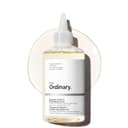
Nothing went wrong, you just want to spend less. The Ordinary’s 2% solution. Same acid, same published percentage, same leave-on category, a fraction of the bottle price and a fraction of the bottle. Start two or three nights a week as you would with any BHA.
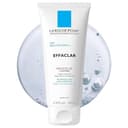
You do not want another leave-on bottle.The Effaclar gel cleanser. A rinse-off salicylic acid has less contact time than a leave-on and so does less, which is a fair trade if what you want is maintenance rather than a project — and it replaces a step rather than adding one. It is fragranced, which is the one mark against it.
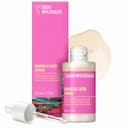
It was too drying or it stung. The Good Molecules mandelic acid serum. Mandelic is the large, slow AHA molecule, which is why it is the one we send reactive skin to, and this one carries a PHA alongside it at a published 10%. It is a gentler product doing a partly different job: tone and surface smoothness rather than pore-clearing.
Your complaint was texture and dullness all along. The Ordinary’s 7% glycolic toner, in a 240 mL bottle — the largest and cheapest-per-use acid on this site. The FDA’s consumer guidance for AHA products describes a band of 10% or less at pH 3.5 or above with daily sun protection, and a published 7% sits inside it. Wear sunscreen the next morning.
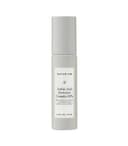
The pores cleared and the marks stayed.Naturium’s azelaic complex. Azelaic acid is the molecule with prescription-level approvals behind it for rosacea and acne, and post-inflammatory marks are what it is best at. It is not an exfoliant and it is not competing with a BHA; it is the next product, not the replacement.
What a cheaper bottle does not change
Three things are the same whichever of these you buy, and they decide the outcome more than the brand does. Frequency:two or three nights a week to start, and more only if your skin is comfortable — over-exfoliation looks like tightness, shine, stinging and new sensitivity, and the fix is always less. One acid at a time: do not stack a BHA with an AHA or a retinoid on the same night while you are building tolerance. Sunscreen:non-negotiable on any exfoliated skin, and specifically called for in the FDA’s own AHA guidance. The full rules are on how often to exfoliate and signs of over-exfoliation.
What we did not rank, and why
The original.Deliberately not on this list, because the page is about what else to buy — but it is not excluded on merit. Read our review of it if you are still deciding.
The same brand’s other exfoliants.Its 8% AHA gel and its 6% mandelic plus 2% lactic liquid are good products and they are not alternatives to it in any useful sense — they are the same brand at the same price level. They are ranked on best glycolic acid and best mandelic acid.
Scrubs, pads and cleansing brushes. Physical exfoliation is not a substitute for a leave-on acid, and on congested or acne-prone skin the AAD advises against scrubbing.
“2% BHA” products that publish no pH and no manufacturer. The dupe end of this market is full of them. A percentage we cannot attribute to a brand, in a formula whose pH is unstated, is not a verified match for a product defined by both.