What you are actually trying to match
“Alternative” is only a useful word once you decide which property you are replacing. There are four candidates, and they lead to different purchases.
The three-ingredient combination.L-ascorbic acid plus vitamin E plus ferulic acid is the thing the published work looked at, and it is the thing the product’s name describes. If this is what you want, you want a serum that names all three. Exactly one in our registry does.
The 15% figure. A stated percentage of L-ascorbic acid, which several serums publish. Note that higher is not automatically better: the dermatology literature discusses L-ascorbic acid in roughly a 10 to 20% range, and absorption does not keep climbing above it.
The pure-vitamin-C form. L-ascorbic acid rather than a derivative. This is the property most worth insisting on if you are buying for antioxidant protection, and it is also the property that makes a serum acidic and therefore sharp on reactive skin.
Just the price. A legitimate goal on its own, and the one the budget pick answers.
How we ranked the alternatives
1. Does it name the form of vitamin C?The first filter, and it does real work: “vitamin C” on a label could be L-ascorbic acid or one of several derivatives that differ in stability, strength and the pH they need. Four of the five below name the molecule.
2. Does it publish a percentage? Four of five do. On a site that ranks by what is disclosed, a printed figure beats an unprinted one before anything subjective is considered.
3. How close is the rest of the formula? Vitamin E and ferulic acid are the two supporting ingredients that make the studied combination what it is. A serum with all three is a closer match than a serum with a higher headline number and neither.
4. Who is it actually better for? Two picks here are deliberately not trying to be the original: a ceramide base for skin that cannot take a low pH, and a derivative serum for skin that cannot take L-ascorbic acid at all. Those are improvements for the right reader, not compromises.
The thing price cannot buy, in either direction
L-ascorbic acid degrades. It oxidises in water, needs an acidic pH to penetrate, and breaks down on exposure to air and light — which is why a serum that has turned deep orange or brown is past using, whatever it cost. So the most important variable in whether your vitamin C does anything is not which bottle you bought, it is how fresh the bottle is when it reaches your face and how you store it afterwards.
That cuts both ways and it is the honest argument of this page. A prestige serum bought through a controlled channel may well arrive fresher. But a cheaper serum you replace every three months without flinching will spend far more of its life actually working than an expensive one you ration for a year. If you are switching to save money, spend part of the saving on buying more often rather than buying bigger.
Which alternative, by who you are
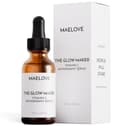
You want the same formula for less. Maelove. It is the only serum in our registry that assembles L-ascorbic acid at a published 15% with both vitamin E and ferulic acid, and it is fragrance-free. Expect a brief prickle on first use, as with any L-ascorbic acid at a working pH.
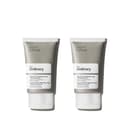
You want maximum active per dollar.The Ordinary’s 23% suspension. Anhydrous, which removes the water that drives oxidation, and the cheapest serum here by a clear margin. The cost is texture: a silicone suspension with a faint grit that not everyone tolerates.
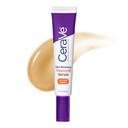
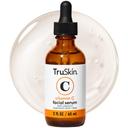
You tried the original and it stung. Then matching it is the wrong goal. The CeraVe 10% in a ceramide base is the gentlest L-ascorbic acid route; the TruSkin serum uses a vitamin C derivative and sidesteps the low pH entirely, trading speed and potency for comfort. The trade is laid out on L-ascorbic acid vs vitamin C derivatives.
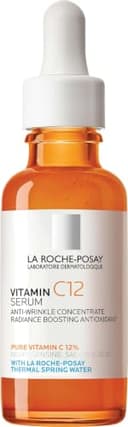
Your skin is oily and congested too.The La Roche-Posay 12%, which carries salicylic acid alongside the vitamin C — the only pick here doing two jobs.
What we did not rank, and why
The original itself. It is not in our registry, so we cannot show a live price for it and we will not quote one from memory or from a reseller. Nothing on this page is a criticism of the product; the reason alternatives are possible at all is that its formulation approach is openly published.
Its sibling and “pro” variants. The same brand sells related antioxidant serums and at least one boosted version of this one. Those are different formulas, and a page about alternatives to the standard serum should not quietly compare against a different SKU.
Serums marketed as dupes that publish nothing.A large share of the “C E ferulic dupe” market states neither a form nor a percentage. A serum that will not tell you which molecule it contains cannot be verified as a match for a formula defined by its molecules.
Vitamin C creams. A different format with a harder stability problem, ranked separately on best vitamin C moisturizer.