Actives & Acids

Best Sunscreen for Retinol Users

Retinol makes daily sunscreen the non-negotiable half of the routine. Six broad-spectrum sunscreens ranked on what a retinoid routine actually needs: no fragrance, a finish you will reapply, and nothing that fights skin that is already adjusting.

By Stephen V.Last updated How we pick

Every retinol page on this site ends the same way: use it at night, wear sunscreen in the morning. The American Academy of Dermatology puts it plainly — because retinoids can make skin more sensitive to sun, use them only at night and always use sun protection during the day. That advice is easy to nod at and surprisingly hard to follow, because the sunscreen you already own was probably chosen for a beach, and skin in its third week of retinol is not beach skin. It is drier, more reactive, sometimes flaking at the corners of the nose, and it will tell you about every fragrance and every stinging chemical filter you put on it.

So this is not a general sunscreen ranking. We ranked six broad-spectrum sunscreens on four things that matter specifically to someone using a retinoid: is it fragrance-free, does the filter system suit reactive skin, is the finish something you will actually reapply, and does the price let you use the amount the FDA says a face needs rather than the amount that looks tidy. We have not tested these; we own no units and do not pretend to. We read every published ingredient list and label claim against the dermatology guidance, and we say where the label stops. Sunscreen is the half of a retinol routine that protects the result — skip it and you are trading collagen you built at night for sun damage in the morning.

How this is funded: we earn a commission if you buy through our links, at no extra cost to you. It never changes which product we recommend, and we’ll tell you when we’d skip one. Full disclosure.

Quick picks

Ranked on formulation, stated concentration and buyer fit. Select a row to jump to the full write-up. We have not tested these products — here is exactly what we do instead.

#ProductBest forPrice
1
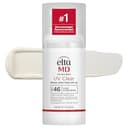
EltaMD UV Clear Broad-Spectrum SPF 46

EltaMD UV Clear Broad-Spectrum SPF 46

The facial sunscreen dermatologists recommend more than any other, and it deserves the reputation: a zinc-oxide SPF 46 with niacinamide, oil-free and fragrance-free, and pleasant enough to actually wear every day.

Best overall
$23.50 · View on Amazon

Price as of September 19, 2026. #ad How we’re funded

2
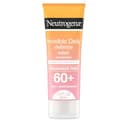
Neutrogena Invisible Daily Defense SPF 60

Neutrogena Invisible Daily Defense SPF 60

The budget high-SPF choice: fragrance-free broad-spectrum SPF 60 with antioxidants at a drugstore price. Nothing flashy, and that's the point for a product you're meant to use by the half-teaspoon.

Best budget high-SPF
$12.99 · View on Amazon

$19.9935% off

Price as of September 19, 2026. #ad How we’re funded

3
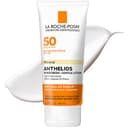
La Roche-Posay Anthelios Mineral SPF 50 Gentle Lotion

La Roche-Posay Anthelios Mineral SPF 50 Gentle Lotion

A fully mineral SPF 50 with antioxidants for skin that can't handle chemical filters. A slight cast is the fair price of a pure-mineral, fragrance-free formula.

Best mineral for reactive skin
$25.97 · View on Amazon

Price as of September 19, 2026. #ad How we’re funded

4
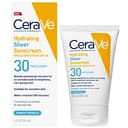
CeraVe Hydrating Mineral Sunscreen SPF 30

CeraVe Hydrating Mineral Sunscreen SPF 30

An affordable mineral-based SPF 30 with ceramides for anyone who wants a physical filter without the prestige markup. It casts slightly, but it's a truly gentle, barrier-friendly pick.

Best for the peeling phase
$13.97 · View on Amazon

$17.9922% off

Price as of September 19, 2026. #ad How we’re funded

5
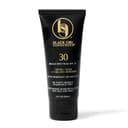
Black Girl Sunscreen Broad Spectrum SPF 30

Black Girl Sunscreen Broad Spectrum SPF 30

Engineered specifically to vanish on deeper skin tones, something most mineral sunscreens simply can't manage. A hydrating chemical SPF 30 with zero cast — the fix for the most common sunscreen gripe of all.

Best for deeper skin tones
$9.99 · View on Amazon

Price as of September 19, 2026. #ad How we’re funded

6
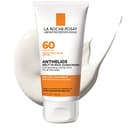
La Roche-Posay Anthelios Melt-in Milk SPF 60

La Roche-Posay Anthelios Melt-in Milk SPF 60

A high-SPF chemical sunscreen for face and body that absorbs without leaving a cast — the one to grab when you want strong protection you'll gladly slather over bigger areas.

Best for face and body
$29.24 · View on Amazon

$37.9923% off

Price as of September 19, 2026. #ad How we’re funded

The picks in full

#1Best overall

EltaMD UV Clear Broad-Spectrum SPF 46

The facial sunscreen dermatologists recommend more than any other, and it deserves the reputation: a zinc-oxide SPF 46 with niacinamide, oil-free and fragrance-free, and pleasant enough to actually wear every day.

Strengths

  • Zinc oxide and niacinamide — soothing and easy on the skin
  • Oil-free, fragrance-free and non-comedogenic
  • A light finish that sits under makeup

Trade-offs

  • A premium price per ounce
  • A faint cast on the deepest skin tones, which the tinted version resolves
Key activeZinc oxide + niacinamide (SPF 46)
Stated concentrationSPF 46
FormatLightweight lotion
Fragrance-freeYes
Best forSensitive, Acne-prone, Rosacea-prone

Formulation note. Broad-spectrum SPF 46 built on zinc oxide with 5% niacinamide. That niacinamide is a real bonus for redness-prone skin — the reason people recommend it again and again, not just another passable SPF.

Ingredients and claims read from the product listing, on July 18, 2026. “Not published” means the brand does not state that figure.

#2Best budget high-SPF

Neutrogena Invisible Daily Defense SPF 60

The budget high-SPF choice: fragrance-free broad-spectrum SPF 60 with antioxidants at a drugstore price. Nothing flashy, and that's the point for a product you're meant to use by the half-teaspoon.

Strengths

  • Fragrance-free, broad-spectrum SPF 60
  • Includes an antioxidant complex
  • Cheap enough to lay on thick and reapply

Trade-offs

  • A slightly heavier finish than the prestige options
  • It can pill beneath some makeup
Key activeChemical UV filters (SPF 60)
Stated concentrationSPF 60
FormatLotion
Fragrance-freeYes
Best forNormal, Combination

Formulation note. Fragrance-free broad-spectrum SPF 60 with antioxidants. The low price is a feature in itself: under-applying is the biggest sunscreen mistake, and cost is why people ration it.

Ingredients and claims read from the product listing, on July 18, 2026. “Not published” means the brand does not state that figure.

#3Best mineral for reactive skin

La Roche-Posay Anthelios Mineral SPF 50 Gentle Lotion

A fully mineral SPF 50 with antioxidants for skin that can't handle chemical filters. A slight cast is the fair price of a pure-mineral, fragrance-free formula.

Strengths

  • Entirely mineral — titanium dioxide and zinc — at SPF 50
  • Bolstered with an antioxidant complex
  • Free of fragrance

Trade-offs

  • A slight white cast, as every true mineral filter leaves
  • Heavier in texture than a chemical sunscreen
Key activeTitanium dioxide + zinc oxide (SPF 50)
Stated concentrationSPF 50
FormatFluid lotion
Fragrance-freeYes
Best forSensitive, Reactive, Rosacea-prone

Formulation note. Fully mineral filters at SPF 50 with antioxidants. Going pure-mineral means accepting some cast — a fair trade for anyone chemical filters irritate.

Ingredients and claims read from the product listing, on July 18, 2026. “Not published” means the brand does not state that figure.

#4Best for the peeling phase

CeraVe Hydrating Mineral Sunscreen SPF 30

An affordable mineral-based SPF 30 with ceramides for anyone who wants a physical filter without the prestige markup. It casts slightly, but it's a truly gentle, barrier-friendly pick.

Strengths

  • Mineral filters with ceramides and hyaluronic acid
  • Gentle and fragrance-free
  • Easy on the budget

Trade-offs

  • SPF 30 instead of 50
  • A mineral cast on deeper skin tones
Key activeTitanium dioxide + zinc oxide (SPF 30)
Stated concentrationSPF 30
FormatSheer lotion
Fragrance-freeYes
Best forSensitive, Dry, Normal

Formulation note. Mineral filters with three ceramides and hyaluronic acid at SPF 30. The ceramides make it the gentle budget-mineral option, with the cast and the SPF 30 as the trade-offs.

Ingredients and claims read from the product listing, on July 18, 2026. “Not published” means the brand does not state that figure.

#5Best for deeper skin tones

Black Girl Sunscreen Broad Spectrum SPF 30

Engineered specifically to vanish on deeper skin tones, something most mineral sunscreens simply can't manage. A hydrating chemical SPF 30 with zero cast — the fix for the most common sunscreen gripe of all.

Strengths

  • Made to leave no white cast on melanin-rich skin
  • Hydrating, with jojoba and avocado oils
  • Kind to the wallet

Trade-offs

  • It's SPF 30 rather than 50, so reapply faithfully
  • The emollient finish runs a bit dewy for very oily skin
Key activeChemical UV filters (SPF 30)
Stated concentrationSPF 30
FormatMoisturizing lotion
Fragrance-freeNo
Best forMedium-to-deep tones, Normal, Dry

Formulation note. Broad-spectrum chemical SPF 30 designed to rub in clear on deeper skin tones. It answers the cast problem that mineral filters create — the whole practical reason it exists.

Ingredients and claims read from the product listing, on July 18, 2026. “Not published” means the brand does not state that figure.

#6Best for face and body

La Roche-Posay Anthelios Melt-in Milk SPF 60

A high-SPF chemical sunscreen for face and body that absorbs without leaving a cast — the one to grab when you want strong protection you'll gladly slather over bigger areas.

Strengths

  • Broad-spectrum SPF 60 that leaves no white cast
  • A quick-sinking milk texture
  • Good value in a face-and-body size

Trade-offs

  • Chemical filters may sting sensitive eyes
  • It's fragranced
Key activeChemical UV filters (SPF 60)
Stated concentrationSPF 60
FormatMilk lotion
Fragrance-freeNo
Best forNormal, Combination, Body use

Formulation note. Broad-spectrum chemical filters at SPF 60. It looks and feels great and leaves no cast, but the fragrance and chemical filters keep it off our first-choice list for reactive skin.

Ingredients and claims read from the product listing, on July 18, 2026. “Not published” means the brand does not state that figure.

How we ranked these

A sunscreen for retinol users has to clear two bars at once. The first is the ordinary one: broad-spectrum, an SPF the guidance considers adequate, and a formula you will apply generously and reapply. The second is the retinoid-specific one: it has to go on skin that is, by design, being pushed to turn over faster than it wants to, and that means the margin for irritation is thinner than usual. Here is how each criterion moved the list.

1. Fragrance-free wins the tiebreak, every time

Fragrance is the single most avoidable irritant in skincare, and on retinoid skin it is the one most likely to turn a comfortable routine into a stinging one. Four of our six picks are fragrance-free per the listing. The two that are not — Anthelios Melt-in Milk and Black Girl Sunscreen — earn their places for specific jobs (body coverage and zero cast on deep skin tones) that the fragrance-free options do less well. If your skin is reacting to your retinol at all, start with a fragrance-free pick and treat the other two as options for later, once your skin has settled.

2. Mineral versus chemical filters on adjusting skin

Both filter systems protect. The difference for a retinol user is tolerance and finish. Mineral filters (zinc oxide, titanium dioxide) are generally the calmer choice on skin that is peeling or red, which is why EltaMD UV Clear and Anthelios Mineral sit at the top for reactive skin. The price of a true mineral filter is a cast, faint on lighter skin and obvious on deeper tones. Chemical filters vanish, which is exactly why Neutrogena Invisible Daily Defense and Black Girl Sunscreen exist. Chemical filters can sting eyes and freshly retinized skin in a way minerals rarely do — so if you are in the first month, mineral first; if you are settled and hate the cast, chemical is a legitimate choice.

3. SPF number, and why the cheap one ranks so high

The FDA guidance is to choose a broad-spectrum sunscreen with an SPF of at least 15, with higher values giving more protection, and to reapply at least every two hours. Every pick here clears SPF 30. What separates them in practice is not 30 versus 60 — it is whether you apply enough. The FDA figure for a whole body is about an ounce; the face alone needs far more than the pea most people use. A sunscreen you ration because it cost forty dollars is protecting you less than a cheap one you slather. That is the entire argument for putting a drugstore SPF 60 in second place.

4. Finish, because reapplication is the whole game

Retinol users tend to wear sunscreen every single day for years, so the finish is not a vanity question. A sunscreen that pills under makeup or leaves a gray film gets skipped on Tuesday and forgotten by Friday. We weighted a wearable finish heavily and we note the honest exceptions: the Neutrogena can pill under some makeup, the two mineral picks cast, and the Black Girl Sunscreen runs dewy on oily skin.

Why retinol and sunscreen are a package deal

Two separate things are true. First, retinoids can leave skin more sun-sensitive during the adjustment period — that is the AAD line, and it is why the instruction is nighttime use plus daytime protection. Second, and more important long-term: the reason you are using retinol at all is photoaging, and the published work on retinoids and photoaging sits alongside decades of evidence that UV exposure is the main driver of the wrinkles and pigment you are trying to reverse. Building collagen at night and burning it off in the morning is not a routine, it is a treadmill. If you take one thing from this page: the sunscreen is not a side effect precaution, it is the other half of the treatment. Our how to use retinol guide puts the two halves in order.

Sunscreen during the peeling phase

Weeks two through six are when most people quit retinol, and sunscreen is part of why: rubbing a lotion over flaking skin lifts the flakes and looks worse than bare skin. Three tactics help. Apply your moisturizer first and let it settle for a few minutes so the sunscreen glides over it rather than dragging — the CeraVe mineral SPF earns its slot here because it carries ceramides and hyaluronic acid, so it behaves like a second thin moisturizer. Pat rather than rub. And if your skin is genuinely raw, drop the retinol frequency for a week rather than the sunscreen — our retinol side effects guide covers when peeling is normal and when it is a sign to stop. The right cream underneath matters as much as the sunscreen on top; best moisturizer to use with retinol ranks those.

Order of application, morning routine

Retinol goes on at night and stays out of the morning routine entirely. In the morning: cleanse gently (or just rinse), any vitamin C serum, moisturizer, then sunscreen as the last skincare step before makeup. The AAD guidance on product order is the same thinnest-to-thickest logic, with sunscreen on last so nothing dilutes it. Do not mix sunscreen into your moisturizer to save a step — you dilute the SPF and under-apply both. If you also use an exfoliating acid, note that the FDA flags AHAs for increased sun sensitivity too, so a retinol-plus-acid routine makes the sunscreen argument twice over.

Tretinoin and adapalene users

Everything above applies with more force if you are on prescription tretinoin or on adapalene. Both are stronger retinoids than over-the-counter retinol and the adjustment period is rougher, so lean toward the mineral, fragrance-free end of this list for the first two months. The retinol vs tretinoin page explains the strength gap; the sunscreen advice does not change, only the urgency.
Frequently asked questions

Does retinol really make you more sensitive to the sun?

The American Academy of Dermatology says retinoids can make skin more sensitive to sun, which is why the standard advice is to apply them only at night and use sun protection during the day. The bigger reason to be strict about sunscreen is not the sensitivity, though — it is that UV exposure drives the very photoaging retinol is used to treat. Sunscreen protects the result you are paying for.

Mineral or chemical sunscreen with retinol?

Either protects. Mineral filters (zinc oxide, titanium dioxide) are generally the calmer choice on skin that is peeling or red, so they are the safer starting point in the first month or two of retinol. Chemical filters rub in clear and suit deeper skin tones far better, but can sting adjusting skin and eyes. Once your skin has settled, pick the one you will actually wear every day.

What SPF do I need if I use retinol?

The FDA guidance is a broad-spectrum sunscreen with an SPF of at least 15, with higher values giving more protection; dermatology guidance commonly lands at SPF 30 or above for daily wear. Every pick on this page is SPF 30 to 60. In practice the amount you apply and whether you reapply matter more than the difference between 30 and 60.

Can I use a sunscreen that contains retinol, like the ones in autocomplete?

We would not. Retinol belongs at night and sunscreen belongs in the morning; a product that combines them puts a retinoid on your skin in daylight, which is exactly the opposite of the AAD advice. Keep the two in separate steps and separate halves of the day.

Do I need sunscreen on days I did not use retinol the night before?

Yes. Retinol is a long-term treatment for sun damage, and the sun does not check your calendar. Daily broad-spectrum sunscreen is the standard whether or not you applied retinol last night, and skipping it on off-days undoes the work on the on-days.

My sunscreen pills over my retinol-dry skin. What do I do?

Apply moisturizer first and give it a few minutes to settle, then pat the sunscreen on rather than rubbing. Use less retinol frequency for a week if your skin is genuinely raw — reduce the retinol, never the sunscreen. A sunscreen that carries ceramides or hyaluronic acid tends to glide better over flaky patches, which is why the CeraVe mineral pick sits on this list.

How much sunscreen should I put on my face?

More than you think. The FDA's whole-body figure is about an ounce; the face and neck alone commonly need close to a quarter teaspoon, and most people apply a fraction of that. If a sunscreen is expensive enough that you ration it, a cheaper one applied generously will protect you better — which is why a drugstore SPF 60 ranks second on this page.

Sources

Keep reading