Vitamin C
L-ascorbic acid versus the gentler derivatives, the concentrations that matter, and why the form and the packaging decide whether a vitamin C serum actually works.
Vitamin C is the daytime antioxidant that earns its place: it helps neutralize the free radicals that sunlight and pollution generate, it supports collagen, and it gradually fades the kind of dull, uneven tone that sunscreen alone won’t fix. But “vitamin C” on a label can mean very different molecules, and the gap between a serum that works and one that’s already oxidized in the bottle comes down to three things: the form, the concentration, and the packaging that keeps air and light out.
This hub cuts through that. Below you’ll find our ranked serum roundup, a head-to-head with niacinamide (and why the “they cancel out” warning is a myth), the straight answer on whether to use it in the morning or at night, and how to run vitamin C alongside retinol without a fight. Start with the roundup if you just want a bottle, or read the comparisons first if you’re deciding between actives.
Everything in Vitamin C
Best Vitamin C Serums
The L-ascorbic acid picks with real antioxidant evidence, plus gentler derivatives for sensitive skin.
Our top pick
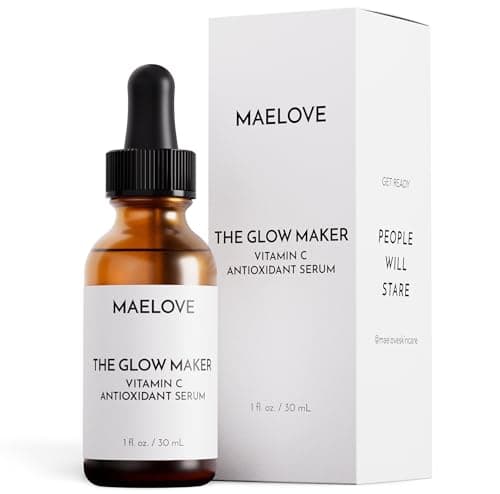
Maelove Glow Maker Vitamin C Serum
$39.90 · View on AmazonPrice as of October 19, 2026. #ad How we’re funded
Vitamin C vs Niacinamide
Which brightening active to reach for — and why the 'they cancel out' warning is a myth you can ignore.
Vitamin C: Morning or Night?
The direct answer first, then why — and how vitamin C and retinol split cleanly across your two routines.
Can You Use Vitamin C With Retinol?
Yes — and the simplest way to run two potent actives without a fight is to split them across AM and PM.
Best Vitamin C for Dark Spots
The vitamin C picks with real evidence for fading discoloration, plus the azelaic acid and niacinamide that speed it up.
Our top pick
Maelove Glow Maker Vitamin C Serum
$39.90 · View on AmazonPrice as of October 19, 2026. #ad How we’re funded
Best Vitamin C for Sensitive Skin
Gentler vitamin C for reactive skin — buffered L-ascorbic and low-irritation derivatives that brighten without the sting.
Our top pick
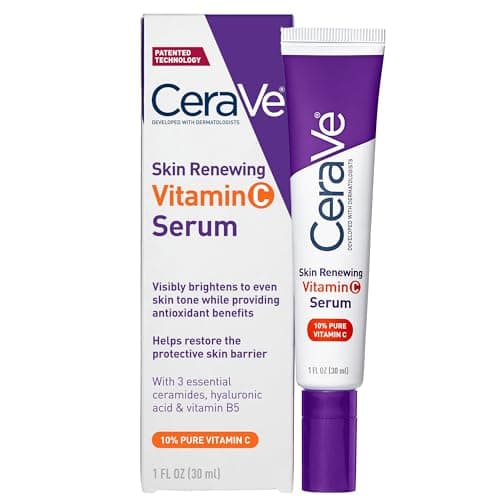
CeraVe Vitamin C Serum with 10% Pure Vitamin C
Vitamin C and Niacinamide Together
Yes, you can use them together — the 'they cancel out' warning is a myth. How to layer the two brightening actives.
How to Use a Vitamin C Serum
Morning, on clean skin, before moisturizer and SPF — plus how to store it so it doesn't oxidize before you finish the bottle.
Best Vitamin C for Mature Skin
The studied L-ascorbic, E and ferulic formula for real results, plus gentler, more hydrating picks for skin that has grown drier.
Our top pick
Maelove Glow Maker Vitamin C Serum
$39.90 · View on AmazonPrice as of October 19, 2026. #ad How we’re funded
Vitamin C Serum Benefits
What a vitamin C serum is genuinely proven to do — antioxidant defense and brighter, more even tone — and where the marketing overreaches.
L-Ascorbic Acid vs Vitamin C Derivatives
Pure L-ascorbic acid is the most proven and most temperamental form; derivatives are gentler and less proven. How to choose.
Vitamin C and Hyaluronic Acid Together
One of the few pairings with no conflict at all — and an order that matters more than people expect once a low-pH serum is involved.
Vitamin C and Azelaic Acid Together
Two different routes to a more even tone, stackable if your skin can take it. How to combine them without turning your face pink.
Best Vitamin C Serum for Acne-Prone Skin
Five vitamin C serums for skin that breaks out, ranked on texture, what rides alongside the acid, and whether the bottle will fight your acne treatment or help it.
Our top pick
La Roche-Posay Pure Vitamin C10 Serum
$44.97 · View on AmazonPrice as of October 19, 2026. #ad How we’re funded
Vitamin C and Sunscreen: How to Use Them Together
Serum under, sunscreen over, a minute in between. What the ferulic acid research actually showed, how to stop the pair pilling, and the claim about using less SPF that you should refuse.
Our top pick
Maelove Glow Maker Vitamin C Serum
$39.90 · View on AmazonPrice as of October 19, 2026. #ad How we’re funded

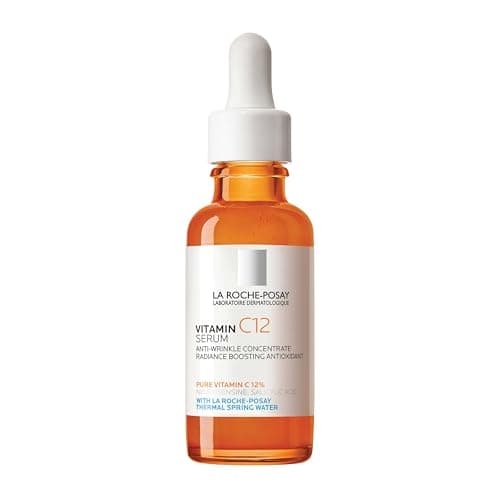
How to choose a vitamin C serum
First, decide which form suits your skin. L-ascorbic acidis the pure, most-studied form — the strongest evidence for antioxidant and brightening effects sits here, usually at 10–20%, and the best-documented version pairs it with vitamin E and ferulic acid for stability. It’s also the most likely to sting or oxidize, so if your skin is reactive, a derivative like sodium ascorbyl phosphate or magnesium ascorbyl phosphate is gentler and more stable, if milder. Our vitamin C vs niacinamide guide helps if you’re choosing between brighteners, and morning or night answers the timing question most people get stuck on.
What decides the price and the cost-per-mL
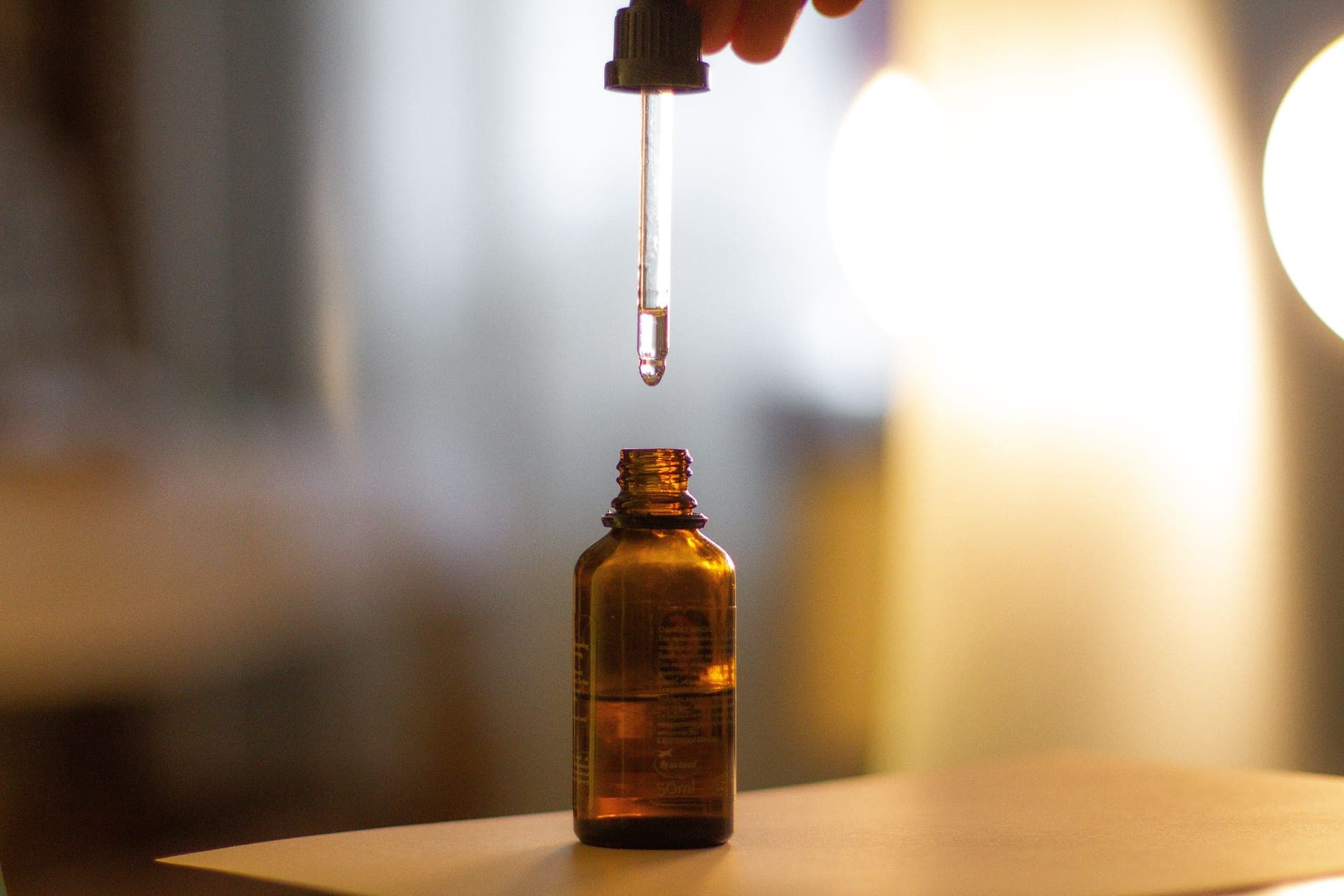
You’re not just paying for the percentage of vitamin C. Stable L-ascorbic acid formulas cost more to make because the molecule degrades the moment it meets water, air and light — so a good one buys you a low pH, antioxidant partners like vitamin E and ferulic acid, and opaque, air-restrictive packaging. A cheap serum in a clear dropper bottle can turn brown and useless before you finish it, which makes it the expensive option per usable dose. When you compare bottles, work out cost-per-mLand factor in shelf life: a mid-priced serum that stays active for its whole three-month window beats a bargain one you throw out half-oxidized. A brown or dark-orange serum has already turned — that’s your signal it’s past it.
The mistake buyers make
The biggest one is fixating on the highest percentage. Above roughly 20%, L-ascorbic acid doesn’t keep getting more effective — it just gets more irritating and less stable, so a well-formulated 15% often beats a raw 23% for real-world results and comfort. The second mistake is treating vitamin C as a substitute for sunscreen; it works alongside SPF to mop up the damage sunscreen misses, not instead of it. And plenty of people quit over the myth that vitamin C and niacinamide, or vitamin C and retinol, “cancel each other out.” They don’t — the simplest way to run two potent actives is to split them across your two routines, which is exactly what vitamin C with retinol walks through. Buy for form and freshness, store it cool and capped, and it’ll do its job.
How to store it and know when it’s dead
L-ascorbic acid is fragile, and how you treat the bottle matters as much as which one you bought. Keep it capped tightly, away from heat and direct light— a bathroom windowsill is the worst place for it, and some people even keep theirs in the fridge. A fresh L-ascorbic serum is clear to pale straw; once it drifts to dark orange or brown, it has oxidized and lost most of its punch, so that color shift is your honest expiry signal, not the printed date. Because a well-made serum only stays at full strength for a few months after opening, buy a size you’ll realistically finish in that window rather than a bargain bulk bottle that turns before you reach the bottom. Derivative forms are more forgiving on all of this, which is part of their appeal for occasional users.
Frequently asked questions
What's the best form of vitamin C?
L-ascorbic acid has the strongest evidence and is the form used in most research, typically at 10–20%. If it stings or your skin is sensitive, a derivative like sodium ascorbyl phosphate is gentler and more stable, though usually milder in effect.
What concentration of vitamin C should I look for?
For L-ascorbic acid, 10–20% is the sweet spot. Below about 8% you may not see much; above 20% you mostly add irritation, not results. A well-formulated 15% with vitamin E and ferulic acid is a smart default.
Should I use vitamin C in the morning or at night?
Morning is the classic choice, because its antioxidant protection complements sunscreen against daytime free-radical damage. It's stable enough to use at night too — the main thing is using it consistently and keeping it capped and out of light.
Can I use vitamin C with niacinamide or retinol?
Yes. The idea that vitamin C and niacinamide cancel out is a myth from an outdated lab study, not real-world use. With retinol, the easiest approach is vitamin C in the morning and retinol at night so two strong actives aren't competing.
Sources
- Vitamin C in dermatology (PMC) — Telang — review of topical vitamin C forms, stability and photoprotection (accessed July 17, 2026)
- Ferulic acid stabilizes a solution of vitamins C and E and doubles its photoprotection (PubMed) — Lin et al. — the L-ascorbic acid + vitamin E + ferulic acid evidence (accessed July 17, 2026)