How we ranked these
1. Finish, because the sunscreen you skip has an SPF of zero
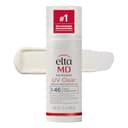
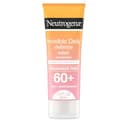
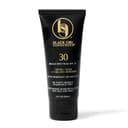
The FDA's own guidance is that sunscreen has to be applied generously and reapplied at least every two hours to deliver the SPF on the label, and the practical consequence for oily, breakout-prone skin is that texture outranks almost everything else. A heavy, greasy formula gets rationed or abandoned by week two. That is why the two lightest formulas here — EltaMD UV Clear, an oil-free lightweight lotion, and Neutrogena's SPF 60, cheap enough to lay on by the half-teaspoon — sit at the top two slots, and why Black Girl Sunscreen, whose emollient finish runs dewy, is ranked third rather than first despite solving the cast problem better than anything else on the page.
2. Mineral or chemical: not the question people think it is
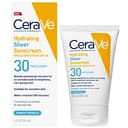
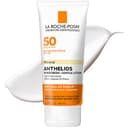
There is a widespread belief that acne-prone skin must use mineral filters. It is not supported by anything we could cite. Zinc oxide and titanium dioxide are gentle and genuinely better tolerated by reactive, rosacea-prone skin, which is a real advantage — but they cast, and they sit heavier. CeraVe Hydrating Mineral SPF 30 is the cheap way into a pure mineral filter and carries three ceramides; Anthelios Mineral SPF 50 is the fragrance-free mineral option at a higher SPF. Both trade a visible cast for that gentleness, and on deeper skin tones that trade is often unacceptable — which is the honest reason a chemical filter ranks above both here.
3. Fragrance and what else is in the bottle
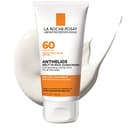
Four of the six are fragrance-free per their listings: EltaMD, Neutrogena Invisible Daily Defense, Anthelios Mineral and CeraVe Mineral. Black Girl Sunscreen and Anthelios Melt-in Milk are fragranced, which is not disqualifying but is worth knowing if your skin is reactive as well as breakout-prone. Only one product brings an active worth naming: the 5% niacinamide in EltaMD UV Clear. The published review literature on niacinamide covers barrier function, sebum and pigmentation, and a sunscreen that quietly does some of that work while you wear it is doing more than filtering UV. The antioxidant complexes in the Neutrogena and Anthelios formulas are real but far less characterized.
4. The claims we did not take at face value
Non-comedogenic is not a regulated term, and no sunscreen on this page — or any other — has been shown in a published trial to improve acne. We have reported the claim where the brand makes it and left it at that. We also did not reward SPF inflation: the difference between SPF 30 and SPF 60 is far smaller than the difference between applying enough and applying a smear, which is exactly why the cheap SPF 60 and the two SPF 30s all made the list on their own merits. How the label works is decoded in the AAD's sunscreen-label guidance, which is worth five minutes if the numbers confuse you.
How to use sunscreen on skin that is breaking out
Sunscreen is the last step of the morning routine, after moisturizer, and the actives go at night. If you are using adapalene, benzoyl peroxide or a leave-on salicylic acid, that nightly schedule plus a daily SPF is the whole structure — the AAD's acne guidance treats sun protection as part of the routine rather than an optional extra, because the retinoid and the acid both raise sun sensitivity.
Use roughly a quarter-teaspoon for the face, which is more than most people use, and reapply if you are outdoors. If sunscreen genuinely breaks you out, the likeliest culprits are the finish and incomplete removal rather than the UV filter: a dewy formula on oily skin plus a single pass of a mild cleanser leaves residue behind. Two passes with a gentle cleanser fixes more sunscreen-related congestion than switching brands does — the washes are ranked in best face wash for acne.
Sunscreen is the treatment for acne marks
This is the part worth being emphatic about. The marks left after a spot clears are not scars in most cases — they are post-inflammatory pigment, and they fade on their own, slowly. Sunlight makes the skin produce more pigment, so every unprotected day extends that timeline. No serum on this site will outrun that, which is why our serums for acne marks page puts sunscreen above every active it ranks, and why dark spots and hyperpigmentation starts in the same place. If marks rather than active spots are your main complaint, azelaic acid plus this sunscreen is a more sensible pairing than another exfoliant.