How to Get Rid of Strawberry Legs
The dark dots are open follicles — and four different things make them look like that. Work out which one you have before you buy anything, because the product that fixes clogged follicles is not the product that fixes keratin plugs, and neither of them fixes a shaving technique.
How this is funded: we earn a commission if you buy through our links, at no extra cost to you. It never changes which product we recommend, and we’ll tell you when we’d skip one. Full disclosure.
The short answer:work out which of four problems you actually have, then match the acid class to it. For most people the starting point is a glycolic acid body wash used as maintenance — the 5% Naturium wash is the only one on our shelf that publishes both its percentage and its pH — plus a leave-on salicylic acid on non-shaving nights if the dots are genuinely clogged follicles.
The reason most strawberry-legs advice does not work is that it treats the appearance as a single condition. It is not.
What those dark dots actually are
The openings of your hair follicles, made more visible by something. “Strawberry legs” is a description, not a diagnosis, and at least four different situations produce it:
1. Open follicles with trapped debris. Oil, dead skin and the top of a hair sitting in the follicular opening, oxidizing and reading as a dark dot. The skin feels smooth; the dots are flat. This is the version an acid helps most reliably.
2. Folliculitis.Inflamed or infected follicles — red, sometimes tender, sometimes pus-topped. This one gets worse with scrubbing, and if it is painful or spreading it belongs with a doctor rather than a body wash.
3. Keratosis pilaris.Keratin plugs blocking follicles, producing bumps that feel like sandpaper, classically on the upper arms and thighs. The AAD’s guidance on it names exfoliation with AHAs, glycolic, lactic and salicylic acid, along with retinoids and urea — and we have a dedicated page for it, because the plan is slightly different.
4. Shaving irritation and ingrown hairs. Appears after shaving or waxing, often with a red halo. The reviewed literature on shaving-related bumps keeps returning to the same conclusion: the most effective change is how you shave rather than what you put on afterwards.
How to tell them apart in ten seconds
Run your hand over it.Rough and sandpapery with hard little bumps → keratosis pilaris. Smooth with flat dark dots → clogged follicles. Raised, red, sore → folliculitis. Appeared yesterday after a shave → shaving irritation.
Most people have a mix, and the dominant one decides what you buy first.
What to look for in a product
Three criteria, in this order — and they are the same ones we rank body products on across the site.
Acid class matched to the problem.Salicylic acid is oil-soluble, which is the whole reason it reaches inside a follicle; the FDA describes it as the beta hydroxy acid used in cosmetic exfoliants. So anything follicular — clogged dots, mild folliculitis, ingrown hairs — wants a BHA. General roughness and dullness want an AHA, glycolic or lactic, which work on the surface. The reference texts on chemical exfoliation sort them the same way.
Volume, as a hard filter. A 30 mL face serum is roughly one application to two shins. This is the criterion that eliminates most of the products people are pointed at: if it is not sold in the hundreds of millilitres, it is not a leg product. Our body exfoliant roundup applies that filter before ranking anything.
Contact time — and honesty about it.A wash has seconds; a leave-on has hours. Both have a place: the wash is the habit you will keep, the leave-on is what actually shifts a stubborn complaint. The one brand on our shelf that publishes a pH for its 5% glycolic wash — 4.25 to 4.75, above glycolic acid’s own pKa — is also the one telling you, implicitly, why a 5% wash is not a 5% treatment.
The plan
Every shower:the acid body wash, left on for a few minutes before rinsing if you can be bothered — its own directions suggest exactly that, and it is the only contact time any wash gives you for free.
Two non-shaving nights a week: a leave-on acid on dry skin. Salicylic for follicular complaints, glycolic for roughness. Build up from one night; legs tolerate more than faces but not unlimited amounts.
Every day:moisturizer, applied to damp skin after the shower — the AAD’s dry-skin guidance, and the step that stops an exfoliation routine turning into a flaking routine.
Shaving: fresh blade, with the grain, no stretching the skin taut, and exfoliate the day after rather than immediately before. If ingrown hairs are your main problem, shaving less closely is the intervention with the best support, and no product substitutes for it.
After six to eight weeks:if texture has improved but the bumps persist, that is when a body retinoid is worth adding — on the nights you are not using an acid.
What we would not bother with
Scrubs, loofahs and dry brushing. Abrasion irritates follicles that are already the problem and does nothing about the plug inside them.
Anything promising to “close your pores”. The follicular opening is a permanent feature of skin. You can empty it; you cannot remove it, and a product claiming otherwise is selling you a tightening sensation.
Stronger washes in place of a leave-on. The ceiling on a rinse-off is contact time, not percentage.
Honest expectations
Smoother skin and less visible dots within a month or two, yes. Legs that look airbrushed, no — part of what you are seeing is hair below the surface and the structure of the follicle itself. The appearance is also much more noticeable on some skin tones and hair colours than others, and no amount of exfoliation changes that contrast.
If the bumps are painful, spreading, weeping or not improving at all after a couple of months of consistent use, stop buying products and see a board-certified dermatologist — folliculitis that needs treating is a medical problem with a medical answer. Nothing on this page is medical advice.
Bottom line
Name the problem first. Clogged follicles and mild folliculitis want salicylic acid; rough, sandpapery bumps want an AHA and possibly a body retinoid; shaving bumps want a different razor habit more than a new bottle. Then buy at the volume a leg actually requires, keep a wash as the daily habit, add a leave-on twice a week, and moisturize damp skin every day. Two months of that does more than any single product claim on the shelf.
General guidance, not medical advice. Actives & Acids is written by a skincare enthusiast, not a dermatologist. For a diagnosis, a reaction, or a prescription active like tretinoin, see a qualified professional. Introduce any new active slowly and patch-test first.
What we'd actually buy
Chosen from the same registry as our roundups, on published formulation facts rather than hands-on testing — here is exactly what we do instead.
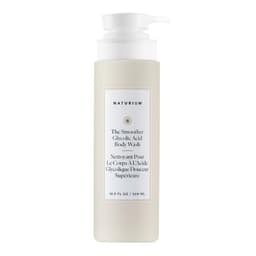
Naturium
The Smoother Glycolic Acid Exfoliating Body Wash
The maintenance buy, and the most transparent label in the category: 5% glycolic acid with a published pH of 4.25 to 4.75 in 500 mL. The brand's own direction is to leave it on for a few minutes before rinsing, which is free and is the only contact time any wash here gives you.
See it ranked in fullPrice as of October 19, 2026. #ad How we’re funded
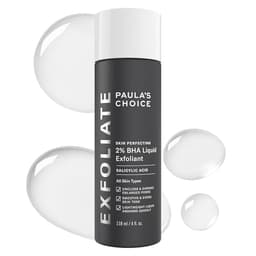
Paula's Choice
Skin Perfecting 2% BHA Liquid Exfoliant
The pick if your dots are genuinely clogged follicles or your bumps look inflamed. Salicylic acid is oil-soluble, so it is the acid class that gets inside the follicle — 118 mL is enough for shins and the backs of thighs rather than a face-sized bottle.
See it ranked in fullPrice as of October 19, 2026. #ad How we’re funded
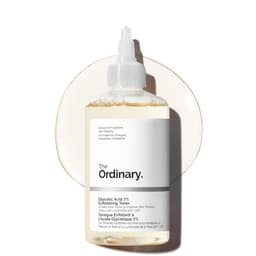
The Ordinary
Glycolic Acid 7% Exfoliating Toner
The cheapest leave-on with the volume a leg needs: a labeled 7% glycolic in 240 mL, swiped on with a cotton pad on non-shaving nights. Twice a week to start — it is a genuine exfoliant despite being sold as a toner.
See it ranked in fullPrice as of October 19, 2026. #ad How we’re funded
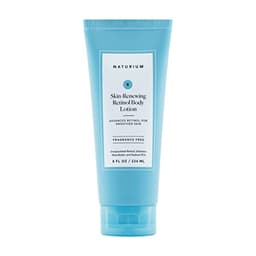
Naturium
Skin-Renewing Retinol Body Lotion
The option for rough, dry, bumpy legs where an acid alone has stalled: encapsulated retinol in a fragrance-free 234 mL lotion, at a price that does not punish you for using it on both legs. No strength published, which is the trade.
See it ranked in fullPrice as of October 19, 2026. #ad How we’re funded
Frequently asked questions
What causes strawberry legs?
It is a descriptive term rather than a diagnosis, and it covers at least four different things: open follicles with trapped oil, dead skin and hair showing as dark dots; folliculitis, where follicles are inflamed or infected; keratosis pilaris, where keratin plugs make the skin feel like sandpaper; and post-shave irritation and ingrown hairs. The dots look similar from a distance and the fixes are different, which is why most product advice on this topic fails.
How do I tell which one I have?
Run a hand over the area. If it feels rough and sandpapery with small hard bumps, that points to keratosis pilaris. If the bumps are red, tender or pus-topped, that is more like folliculitis. If the dots are flat and dark but the skin feels smooth, you are most likely looking at open follicles with trapped debris. If it appears a day or two after shaving and settles, it is shaving irritation. Anything painful, spreading or weeping is a doctor's problem, not a shelf one.
Will exfoliating get rid of strawberry legs?
It helps with two of the four causes and does nothing for a third. A chemical exfoliant genuinely helps with clogged follicles and with the rough texture of keratosis pilaris. It does not fix a shaving technique that keeps producing ingrown hairs, and scrubbing inflamed folliculitis usually makes it angrier. Pick the acid class to match: salicylic acid for anything follicular, glycolic or lactic acid for general roughness.
Is strawberry legs the same as keratosis pilaris?
No, though they overlap and plenty of people have both. Keratosis pilaris is a specific, extremely common condition in which keratin plugs block follicles and create rough bumps, usually on the upper arms and thighs — the AAD's guidance on it names exfoliating with AHAs, glycolic, lactic and salicylic acid, retinoids and urea as the useful approaches. Strawberry legs is a look, not a condition, and KP is one of the things that can produce it.
Does shaving cause strawberry legs?
It is one of the causes, and the one no product solves. The reviewed treatment literature on shaving-related bumps is consistent that the most effective single intervention is shaving less closely or less often, because the mechanism is a sharp hair tip re-entering the skin. A fresh blade, shaving in the direction of hair growth and not stretching the skin tight all help. Exfoliating the day after shaving rather than immediately before also reduces the sting.
How long does it take to clear up?
Texture changes come first, within two to four weeks of consistent use — that is exfoliation doing its job. The visible darkness of the follicular openings takes longer and may not disappear entirely, because the opening of a follicle is a permanent feature of skin and some of what you are seeing is hair below the surface. Honest expectation: smoother and less noticeable, rather than gone.
Can I use a body wash instead of a leave-on?
As maintenance, yes, and it is the easier habit to keep. But know the limit: a wash is on your skin for the length of a lather and then it goes down the drain, where a leave-on sits for hours. If the complaint is not responding to a wash, the fix is adding a leave-on rather than buying a stronger wash.
Do I need sunscreen on my legs?
If you are using an AHA and your legs see daylight, it matters — the FDA's consumer information on alpha hydroxy acids specifically addresses increased sun sensitivity. The practical version for most people: use the acid at night, and if your legs are bare in strong sun, treat them like any other exposed skin. A body retinoid carries the same consideration.
What about dry brushing, scrubs and razors with built-in moisturizer?
Physical scrubbing is the one approach we would actively discourage here. It irritates follicles that are already inflamed and it does nothing about the plug inside them. A chemical exfoliant dissolves the bond; a scrub abrades the surface and makes a folliculitis worse. Save the loofah.
Sources
- American Academy of Dermatology — Keratosis pilaris: Diagnosis and treatment — AAD on exfoliating with AHA, glycolic, lactic, salicylic acid, retinoids and urea for KP (accessed August 19, 2026)
- Pseudofolliculitis barbae; current treatment options (PMC) — Ogunbiyi, Clinical, Cosmetic and Investigational Dermatology 2019 — review of ingrown-hair (razor bump) treatment: daily glycolic acid found useful, glycolic and salicylic peels useful, topical keratolytics (retinoids, salicylic acid, AHAs) usable, plus the shaving-practice advice (clippers leaving 1 mm, never dry-shave, shave with the grain) (accessed September 18, 2026)
- U.S. FDA — Beta Hydroxy Acids in Cosmetics — FDA on salicylic acid as a beta hydroxy acid (accessed July 17, 2026)
- U.S. FDA — Alpha Hydroxy Acids — FDA on AHAs and increased sun sensitivity (accessed July 17, 2026)
- Chemical Peels for Skin Resurfacing — StatPearls (NCBI Bookshelf) — Reference overview of AHA/BHA exfoliation mechanisms (accessed July 17, 2026)
- Naturium — The Smoother Glycolic Acid Exfoliating Body Wash (official product page) — The brand's own page, and the only body wash in this group that publishes a pH. Stated strength: "5% formaldehyde-free glycolic acid", with a supporting blend of lactic, malic, pyruvic and tartaric acids. Stated pH: 4.25 to 4.75. Size: 16.9 fl oz / 500 ml. Full ingredient list: Aqua/Water/Eau, Sodium Cocoyl Isethionate, Glycolic Acid, Sodium Hydroxide, Cocamidopropyl Hydroxysultaine, Coconut Acid, Sodium Methyl Cocoyl Taurate, Glycol Distearate, Cocamide MIPA, Lactic Acid, Malic Acid, Pyruvic Acid, Tartaric Acid, Sodium PCA, Polyquaternium-73, Polyquaternium-10, Glycerin, Caprylyl Glycol, Didecyldimonium Chloride, Methylpropanediol, Polyquaternium-80, Citric Acid, Tetrasodium Glutamate Diacetate, Sodium Lactate, Sodium Chloride, Sodium Isethionate, Sodium Benzoate — glycolic acid third, sodium hydroxide (the neutralizer) fourth. Claims: fragrance free, cruelty-free, paraben-free, vegan, gluten-free and dermatologist-tested. Directions: "Apply a generous amount to hands, a washcloth, or a loofah and massage into skin. For added benefits, leave on for a few minutes, then rinse thoroughly." Marketed for rough, uneven and bumpy texture, described as "gentle enough for daily use" and usable as a facial cleanser. No sunburn alert or AHA sun-sensitivity warning appears on the page (accessed October 17, 2026)
- American Academy of Dermatology — Dermatologists' top tips for relieving dry skin — AAD on moisturizing damp skin and choosing a cream for dry skin (accessed July 17, 2026)
Keep reading
Glycolic acid for keratosis pilaris
If your bumps feel like sandpaper, this is the specific condition and the specific plan.
Read the guideChemical exfoliants for ingrown hairs
The shaving half of the problem, including the technique changes that do the real work.
Read the guideBest exfoliating body wash
Four acid washes ranked on what the brand actually publishes — the maintenance layer.
See the picksBest chemical exfoliant for body
Leave-on exfoliants ranked on cost per millilitre, because a leg needs volume.
See the picksBest retinol body lotion
Where a body retinoid helps, and the three things it will not do.
See the picksSigns of over-exfoliation
Legs tolerate more than faces, but not unlimited amounts. The tells.
Read the guide