Glycolic Acid for Keratosis Pilaris
KP is a maintenance problem, not a curable one. Acids are the treatment the AAD actually points to — here is how to run one on body skin without stripping it.
How this is funded: we earn a commission if you buy through our links, at no extra cost to you. It never changes which product we recommend, and we’ll tell you when we’d skip one. Full disclosure.
Keratosis pilaris is the small rough bumps on the backs of the upper arms, the fronts of the thighs, sometimes the cheeks and buttocks — often with a ring of pink or brown around each one. It is extremely common, entirely harmless, and completely unresponsive to everything most people try first. It is caused by keratin building up and plugging the follicle, and the two things that reliably make it worse are dry skin and scrubbing.
The American Academy of Dermatology is blunt about the ceiling here: KP cannot be cured, and treating it means following a maintenance plan a few times a week, indefinitely. That is not a reason to skip treatment — managed KP looks and feels significantly better than unmanaged KP. It is a reason to be skeptical of any product promising to clear it for good.
Why acids, and why glycolic
Because the problem is a plug of dead keratin, not dirt and not bacteria. Removing the plug means loosening the bonds holding those cells together, which is precisely what an exfoliating acid does. The AAD’s own list of what dermatologists use for KP is a list of keratolytics: alpha hydroxy acid, glycolic acid, lactic acid, a retinoid, salicylic acid, urea. Every one of those is a chemical approach.
Glycolic acidis the smallest AHA, so it penetrates most readily and works fastest, which is an advantage on body skin — thicker and more tolerant than the face, and often needing to be treated across a large area. It is the workhorse choice.
The alternatives are worth knowing. Lactic acidis larger and slower but also a humectant, so it hydrates while it exfoliates — frequently the better option if your KP comes with genuinely dry, itchy skin, which it usually does. Salicylic acid is oil-soluble and gets into the follicle itself, so it suits bumps that look more congested than rough. Urea both softens keratin and draws in water, and urea creams are a mainstay of body-skin treatment for exactly this reason. There is no single correct answer, and plenty of people use a glycolic product a few nights a week over a daily urea or lactic-acid cream.
What will not work, and why people keep doing it
Scrubbing. The AAD warns directly that scrubbing irritates the skin and tends to worsen KP. It is the single most common mistake, and it is intuitive precisely because the bumps feel like something you should be able to rub off. You cannot. Aggressive loofahs, exfoliating gloves and gritty scrubs inflame follicles that are already inflamed, which adds redness to the roughness you started with.
Picking and squeezing.Each bump has a plug in it and it is tempting. Picking produces scabs, post-inflammatory marks and, on some skin, lasting discoloration — all of which look worse and last longer than the bump did.
Hot showers and harsh body wash. KP flares when skin dries out. A long hot shower with a stripping foaming wash removes exactly the lipids you need to keep, and does it daily.
How to run the routine
Frequency: two to three times a week to start, not daily. Body skin is tougher than facial skin but drier, and KP skin drier still. If two to three times a week is genuinely uneventful after a month, you can go up.
Application:after showering, on skin that is towel-dried rather than soaking. A glycolic toner swept over the area with a cotton pad is the practical format for arms and thighs — you are covering a lot of surface, so a bottle with volume beats a 30 ml facial serum on cost alone. Let it dry.
Then moisturize, properly.This is not the optional step; on KP it is roughly half the treatment, because the condition flares with dryness. The AAD’s guidance points at thick creams and ointments over thin lotions. Apply within a few minutes of getting out of the shower while skin still holds some water. If you do only one thing from this page, do this one.
Sunscreen on anything exposed. The FDA warns that AHAs increase sun sensitivity and that the effect persists after you stop. Arms and shoulders in summer count.
Shower habits: shorter, cooler, and a non-stripping body wash. Small changes, but they act daily, which is more than your acid does.
What to expect
Four to eight weeks for texture, longer for the redness, and for some people the redness around each follicle never fully resolves — that is the honest ceiling of topical treatment. What consistent treatment reliably delivers is smoother skin that catches less on clothing and looks less pronounced in photographs. Stopping brings the bumps back within weeks, because you are managing a tendency, not removing a lesion.
There is also a genuinely good piece of news the internet under-reports: KP frequently improves on its own with age. Many people find it fades substantially by their thirties without doing anything.
When to see a dermatologist
If home treatment has not helped after a couple of consistent months, if the bumps are itchy, painful or spreading, if there is significant redness and swelling, or if you are not sure the bumps are KP at all. Several conditions look similar and are treated differently. Dermatologists have prescription-strength keratolytics, topical retinoids for KP, and laser or light treatment for the redness and texture — options that do not exist on a pharmacy shelf. Nothing here is medical advice; it is what the published guidance says about an over-the-counter approach.
General guidance, not medical advice. Actives & Acids is written by a skincare enthusiast, not a dermatologist. For a diagnosis, a reaction, or a prescription active like tretinoin, see a qualified professional. Introduce any new active slowly and patch-test first.
What we'd actually buy
Chosen from the same registry as our roundups, on published formulation facts rather than hands-on testing — here is exactly what we do instead.
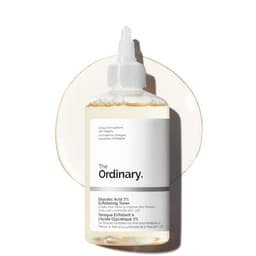
The Ordinary
Glycolic Acid 7% Exfoliating Toner
A printed 7% glycolic toner in a big bottle — the cheapest sensible way to sweep an acid over arms and thighs several times a week.
See it ranked in fullPrice as of October 15, 2026. #ad How we’re funded
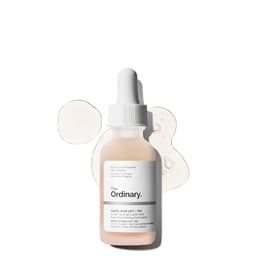
The Ordinary
Lactic Acid 10% + HA
The gentler alternative if glycolic stings on already-dry body skin — lactic acid hydrates while it exfoliates, which KP skin needs.
See it ranked in fullPrice as of October 15, 2026. #ad How we’re funded
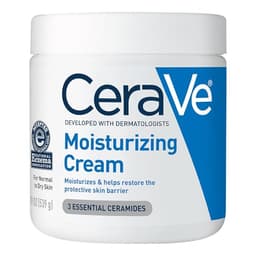
CeraVe
Moisturizing Cream
The other half of the treatment. KP flares when skin dries out, so the cream is not an optional extra here — it is half the routine.
See it ranked in fullPrice as of October 15, 2026. #ad How we’re funded
Frequently asked questions
Does glycolic acid help keratosis pilaris?
It is one of the exfoliating ingredients the AAD lists for KP, alongside alpha hydroxy acids generally, lactic acid, salicylic acid, retinoids and urea. Glycolic acid loosens the plugs of dead skin blocking the follicles, which smooths the bumpy texture. It manages the condition rather than curing it — the AAD is explicit that KP cannot be cured and needs an ongoing maintenance plan.
How long does it take to see results on KP?
Give it four to eight weeks of consistent use. Texture usually improves before the redness does, and the redness around each bump is often the last thing to settle — for some people it never fully does. If you stop, the bumps return within weeks, because you are managing a tendency rather than removing a lesion.
Should I scrub keratosis pilaris?
No. The AAD warns specifically that scrubbing tends to irritate skin and worsen KP. Physical scrubs, loofahs used aggressively and exfoliating gloves inflame follicles that are already inflamed. Gentle chemical exfoliation plus heavy moisturizing is the approach that actually works; scrubbing is the most common self-inflicted setback.
Glycolic acid or urea for keratosis pilaris?
Both appear in the AAD's list, and they do different things — glycolic acid loosens the bonds between dead cells, urea softens and helps break down keratin while also drawing in water. Many people use a glycolic product a few times a week and a urea or lactic-acid cream daily. If your KP comes with very dry skin, the urea or lactic route is often more comfortable.
Can I use glycolic acid on my legs and arms every day?
Start at two or three times a week rather than daily. Body skin is thicker than facial skin and tolerates more, but it is also drier, and KP skin is drier still — daily leave-on acid frequently makes it itchy and irritated, which sets you back. Build up only if two to three times a week is comfortably tolerated after a month.
Sources
- American Academy of Dermatology — Keratosis pilaris: Diagnosis and treatment — AAD on exfoliating with AHA, glycolic, lactic, salicylic acid, retinoids and urea for KP (accessed August 19, 2026)
- U.S. FDA — Alpha Hydroxy Acids — FDA on AHAs and increased sun sensitivity (accessed July 17, 2026)
- Chemical Peels for Skin Resurfacing — StatPearls (NCBI Bookshelf) — Reference overview of AHA/BHA exfoliation mechanisms (accessed July 17, 2026)
- Moisturizers — StatPearls (NCBI Bookshelf) — Reference on humectants (hyaluronic acid), occlusives and emollients (accessed July 17, 2026)
Keep reading
Best chemical exfoliant for body
Which large-format acid to buy for bumpy arms, legs and back, ranked on cost per millilitre.
See the picksBest retinol body lotion
The other active people put on their arms — what it helps with, and why it is not the first tool for KP bumps.
See the picksBest glycolic acid products
The glycolic shortlist compared on stated concentration, format and cost per bottle.
See the picksHow to use glycolic acid
Frequency, pH, and what to keep it away from — the technique that decides whether it helps.
Read the guideLactic acid benefits
The AHA that hydrates while it exfoliates, and often the better choice for dry body skin.
Read the guideAHA vs BHA
Whether your bumps want a surface-level AHA or an oil-soluble BHA that gets into the follicle.
Compare the twoBest ceramide moisturizers
The barrier step that stops an acid routine on body skin turning into a dry, itchy one.
See the picksChemical exfoliants for ingrown hairs
The other body-skin keratin problem — razor bumps on the bikini line, legs and beard, and which acid for each.
Read the guideGlycolic acid for armpits
The same 7% toner under the arm, taken seriously — what it can plausibly do and how to use it without a burn.
Read the guide