Can You Use Vitamin C and Azelaic Acid Together?
Yes, and for stubborn discoloration it is one of the better combinations you can build — provided you introduce them one at a time and know which one to drop if your skin objects.
How this is funded: we earn a commission if you buy through our links, at no extra cost to you. It never changes which product we recommend, and we’ll tell you when we’d skip one. Full disclosure.
Most tone-evening advice tells you to pick an ingredient. That is the wrong frame for stubborn discoloration, because pigment is produced through a chain of steps and different actives interrupt different links in it. Vitamin C and azelaic acid interrupt different links. Combining them is not stacking two versions of the same thing — it is closing two doors instead of one, which is exactly why dermatology routines for pigmentation tend to be combinations rather than a single hero product.
The short answer
Yes, you can use them together, and for dark spots, melasma and post-acne marks it is a genuinely good pairing. The easiest arrangement is vitamin C in the morning, azelaic acid at night. Layering both in one routine works too, once your skin has proved it tolerates each separately. The mistake to avoid is starting both in the same week, because when your face goes pink you will not know which one to blame.
How each one acts on pigment
Vitamin C interferes with tyrosinase, the enzyme that catalyzes an early step in melanin production, and it is a topical antioxidant, so it also reduces some of the oxidative stress that triggers pigment production in the first place. That dual role is why it is the standard morning ingredient for uneven tone: it works on existing discoloration and on one of the causes at the same time.
Azelaic acid does something more selective, and it is the reason it earns a place next to vitamin C rather than duplicating it. Reviews of the ingredient describe it acting preferentially on hyperactive or abnormal melanocytes— the pigment-producing cells that are misbehaving — while largely leaving normal ones alone. In practice that means it tends to fade the spot without lightening the skin around it, which is exactly the behavior you want for melasma and post-inflammatory marks, and it is why azelaic acid has a reputation as the safer pigmentation ingredient for deeper skin tones. It is also anti-inflammatory and mildly comedolytic, so it treats the acne that causes post-inflammatory marks as well as the marks themselves.
Two different mechanisms, one of them targeting the cause of new marks. That is the case for the combination in a sentence.
The layering rules that actually matter
There is no chemical conflict here, so the rules are about irritation, not compatibility.
Split them across the day. Vitamin C belongs in the morning, where its antioxidant role complements sunscreen. Azelaic acid has no timing preference and is perfectly happy at night, which keeps two potent steps twelve hours apart. This is the arrangement we would suggest to almost everyone, and it requires no technique at all.
If you layer, order matters.Vitamin C first, on clean skin, because it is the thinner and lower-pH product and works best without a layer in between. Wait a few minutes — long enough that the first serum has genuinely absorbed rather than sitting wet — then apply azelaic acid, which is typically a thicker gel or suspension. Moisturizer over both, sunscreen last if it is daytime.
Introduce one at a time, weeks apart. Establish whichever you are more confident about, use it for four to six weeks until it is uneventful, then add the second at two or three times a week and build. This is dull advice and it is the difference between a routine you keep and a routine that ends in a week of barrier repair.
Do not add a third.If you are already running a retinoid or an exfoliating acid, this pairing is enough on top of it — and the retinoid should be on separate nights from the azelaic acid while you are settling in. The full map is in how to layer actives.
What each one costs you in tolerance
Vitamin C stings mainly at high strength and low pH. A 15% or 20% L-ascorbic acid serum is the potent version and the one most likely to be uncomfortable on reactive skin; the gentler derivatives are easier but generally less powerful, a trade we cover in L-ascorbic acid vs derivatives. It is also the fragile half of this pairing — a serum that has oxidized to deep orange or brown has degraded and is no longer earning its place in the routine.
Azelaic acid is generally the better-tolerated of the two, which is a large part of its appeal, but it commonly causes a brief tingling on application for the first couple of weeks and can produce a mild uptick in bumps early on. The 10% over-the-counter strength is meaningfully gentler than the prescription concentrations. Its real drawback is cosmetic: the suspension texture can pill under makeup or sunscreen, which is a genuine reason some people move it to nights regardless of anything else.
Sunscreen is not optional here
This is the part that decides whether the routine works. UV exposure drives melanin production directly, so treating pigment without daily sun protection is running a tap into a bucket you are still emptying — and melasma in particular is notoriously sun-driven and prone to rebounding the moment protection lapses. Broad-spectrum SPF every morning, reapplied when you are outdoors, is doing more for your dark spots than either active on this page. Neither vitamin C nor azelaic acid substitutes for it; both work better because of it.
What to expect, and when to stop
Give this eight to twelve weeks before you form an opinion, and longer for melasma, which is slow and recurrent by nature. Brightness usually lifts first; individual spots fade gradually and unevenly. Photograph your face in the same light every few weeks rather than auditing the mirror each morning, because incremental fading is invisible day to day and obvious across two months.
Stop and reassess if you get persistent burning rather than brief tingling, if your skin becomes tight and shiny, or if you develop new sensitivity to products that never bothered you — those are barrier signals, not progress, and the fix is to drop back to one active and rebuild. If discoloration is extensive, long-standing, or you are not sure whether it is melasma, that is a dermatologist conversation. Prescription options exist, and a correct diagnosis changes what should be on your face.
General guidance, not medical advice. Actives & Acids is written by a skincare enthusiast, not a dermatologist. For a diagnosis, a reaction, or a prescription active like tretinoin, see a qualified professional. Introduce any new active slowly and patch-test first.
What we'd actually buy
Chosen from the same registry as our roundups, on published formulation facts rather than hands-on testing — here is exactly what we do instead.
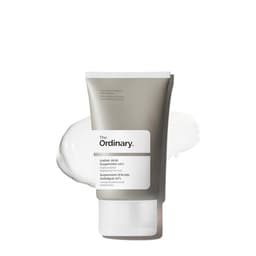
The Ordinary
Azelaic Acid Suspension 10%
The cheapest 10% azelaic acid with the figure printed on the tube, and the one we would start this pairing with.
See it ranked in fullPrice as of October 15, 2026. #ad How we’re funded
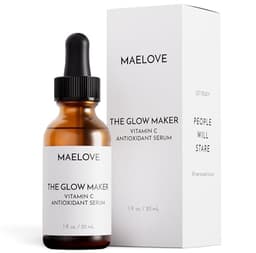
Maelove
Glow Maker Vitamin C Serum
The vitamin C half: L-ascorbic acid with vitamin E and ferulic acid, for the morning slot in this routine.
See it ranked in fullPrice as of October 15, 2026. #ad How we’re funded
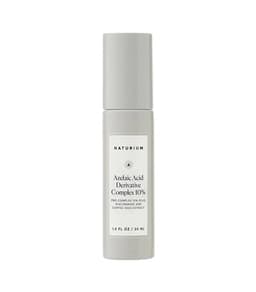
Naturium
Azelaic Acid Derivative Complex 10%
If you would rather not run two separate serums, this pairs a 10% azelaic derivative with niacinamide and vitamin C in one step.
See it ranked in fullPrice as of October 15, 2026. #ad How we’re funded
Frequently asked questions
Can you use vitamin C and azelaic acid together?
Yes. There is no chemical incompatibility between them, and they work on pigment through different mechanisms, so combining them genuinely covers more ground than either alone. The limiting factor is your skin's tolerance rather than the chemistry — both can sting, and stacking two potent tone ingredients from day one is the usual reason people end up red and blaming the wrong product.
Should I layer them or use them at different times?
Splitting them is the easier setup and the one we would suggest first: vitamin C in the morning under sunscreen, azelaic acid at night. If you want both in one routine, apply vitamin C to clean skin, wait a few minutes, then azelaic acid on top — but build up to that rather than starting there, and drop back to a split if your skin gets tight or pink.
Which is better for dark spots, vitamin C or azelaic acid?
They suit different situations. Vitamin C is the broader tone-and-brightness ingredient and doubles as daytime antioxidant protection. Azelaic acid is more targeted — it acts preferentially on overactive pigment-producing cells rather than normal ones, which is why it is favored for melasma and post-inflammatory marks and why it tends not to lighten unaffected skin. For stubborn discoloration, using both is better than choosing.
Does azelaic acid cause purging?
It can, mildly, because it has a mild effect on keratinization and turnover — some people see a short-lived uptick in bumps in the first few weeks. It is much less dramatic than a retinoid purge. What is more common is a brief tingling or stinging on application, which usually settles as your skin adjusts. Persistent burning is not adjustment; drop the frequency.
Can I use this combination if I have rosacea?
Azelaic acid is one of the treatments dermatologists use for the acne-like breakouts of rosacea, so it is often a good fit. Vitamin C at high strength and low pH is the riskier half for rosacea-prone skin, since stinging and flushing are common complaints. If you have diagnosed rosacea, this is a conversation for your doctor rather than an article — and if you do try it, a gentler vitamin C derivative is the safer starting point.
Sources
- Vitamin C in dermatology (PMC) — Telang — review of topical vitamin C forms, stability and photoprotection (accessed July 17, 2026)
- A Comprehensive Review of Azelaic Acid: Pharmacological Properties, Clinical Applications and Topical Formulations (PMC) — Review of azelaic acid's action on pigmentation, inflammation and acne (accessed August 19, 2026)
- American Academy of Dermatology — Rosacea: Diagnosis and treatment — AAD on azelaic acid, metronidazole and ivermectin for rosacea (accessed August 19, 2026)
- U.S. FDA — Alpha Hydroxy Acids — FDA on AHAs and increased sun sensitivity (accessed July 17, 2026)
Keep reading
Azelaic acid for hyperpigmentation
Why azelaic acid targets overactive pigment cells specifically, and what 10% can realistically shift.
Read the guideBest azelaic acid products
The 10% shortlist compared on texture, supporting ingredients and cost per tube.
See the picksBest vitamin C serums for dark spots
The vitamin C half of this routine, ranked specifically for discoloration.
See the picksBest actives for dark spots
The full cross-ingredient lineup for uneven tone, and the order to introduce them in.
See the picksHow to layer actives
The wider conflict map for stacking treatments without wrecking your barrier.
Read the guide