Azelaic Acid for Hyperpigmentation and Dark Spots
It is the pigment ingredient that acts selectively — targeting the melanocytes that are misbehaving and largely leaving normal ones alone. That selectivity is the whole reason to choose it.
How this is funded: we earn a commission if you buy through our links, at no extra cost to you. It never changes which product we recommend, and we’ll tell you when we’d skip one. Full disclosure.
Most brightening ingredients work by turning melanin production down. Azelaic acid works by turning it down where it is turned up too high, which is a meaningfully different thing and the reason this ingredient keeps its place in dermatology routines for pigmentation. Reviews of azelaic acid describe it inhibiting tyrosinase — the enzyme that starts the melanin chain — while acting preferentially on hyperactive or abnormal melanocytes rather than on normal ones.
Translated into what you see in the mirror: the mark fades, the skin around it does not go pale. For anyone who has watched an aggressive brightening routine leave a lighter patch where the dark spot used to be, that selectivity is the entire pitch.
What kind of pigmentation this actually suits
Hyperpigmentation is a category, not a diagnosis, and azelaic acid is better for some members of it than others.
Post-inflammatory hyperpigmentation— the brown or gray marks left behind after a spot, a scratch or a flare heals — is where it performs best and where it has an extra advantage: azelaic acid is also anti-inflammatory and mildly comedolytic, so it treats the acne that keeps producing new marks at the same time as the marks themselves. Treating the cause and the consequence with one product is unusual.
Melasma— the symmetrical patches across cheeks, forehead and upper lip, usually hormone-influenced — is where azelaic acid is a reasonable, well-tolerated option rather than a cure. Melasma is stubborn, recurs readily, and is driven hard by sun exposure. Azelaic acid belongs in the routine; it should not be the whole plan.
Sun spots and general uneven tone respond too, though for broad dullness rather than defined marks, vitamin C is usually the more efficient first purchase.
What it will not touch: freckles you were born with, moles, or anything that has changed in size, shape or color. Pigmentation that is new, growing, irregular or bleeding is a dermatologist appointment, not a skincare decision, and no topical should be used to watch and wait on it.
How it compares to the alternatives
Versus vitamin C:different points in the same chain. Vitamin C interferes with melanin production and adds daytime antioxidant protection, which reduces one of the triggers for new pigment. Azelaic acid is the more selective and generally gentler of the two. They are complementary rather than competing — the combined routine is at vitamin C and azelaic acid.
Versus a retinoid:retinoids speed turnover, so pigmented cells move up and out faster, and they work on the texture around the marks too. They are stronger and substantially harder to tolerate, and on reactive or deeper skin tones the irritation itself can trigger fresh post-inflammatory pigmentation — which is the trap. Azelaic acid is the lower-risk route for exactly that reason.
Versus exfoliating acids:glycolic and its relatives remove pigmented cells from the surface, which helps surface-level discoloration but does nothing about production. They are a good supporting act and a poor sole strategy. Note again that azelaic acid is not actually an AHA or BHA despite living in this hub — it does not exfoliate in the same way, which is why it suits skin that acids upset.
How to use it
Start at once a day, or every other day if your skin is reactive, on clean dry skin, and work up to twice daily if you tolerate it. A pea-sized amount covers the face. Because it is a treatment rather than an exfoliant, you can apply it to the whole face rather than spot-treating — and you generally should, since pigmentation is rarely as sharply bounded as it looks.
Expect a brief tingling for the first week or two and a possible mild uptick in bumps as skin adjusts. Both usually settle. The most common practical complaint is texture: the 10% suspensions can pill under sunscreen or makeup, so give it a couple of minutes to absorb, use less than you think, and move it to nights if it will not behave.
Layering is straightforward. It sits comfortably with niacinamide, hyaluronic acid and ceramides, and there is no reason to keep it off the same routine as a moisturizer or sunscreen. Keep it on separate nights from a retinoid while you are building tolerance, and do not stack it with a leave-on exfoliating acid in the same routine. The full map is in how to layer actives.
Sunscreen decides whether this works
Every pigment ingredient on this site is competing against UV exposure, and UV wins by default. Melanin production is a response to sun, so treating discoloration without daily broad-spectrum protection means fading marks at one rate and generating them at another. With melasma this is not a marginal effect — it is the single biggest determinant of whether the routine holds. Daily SPF, reapplied outdoors, and a hat if you are going to be in it. Nothing on this page substitutes for that, and the honest version of this advice is that sunscreen is doing more for your dark spots than the treatment is.
What to expect
Twelve weeks before you judge it, longer for older marks and for melasma. Fading is gradual and uneven — some marks lift noticeably while others barely move, which is normal and reflects how deep the pigment sits. Take a photograph in the same light every few weeks, at the same time of day, because incremental change is invisible in a daily mirror check and obvious across a couple of months.
If twelve consistent weeks with proper sun protection have produced nothing, that is a genuine signal rather than a reason to buy something stronger off a shelf. Prescription options exist, prescription azelaic acid is stronger than anything sold over the counter, and a dermatologist can tell you whether what you are treating is what you think it is. That matters most with melasma, which is frequently misidentified and which responds badly to being treated as ordinary sun damage.
General guidance, not medical advice. Actives & Acids is written by a skincare enthusiast, not a dermatologist. For a diagnosis, a reaction, or a prescription active like tretinoin, see a qualified professional. Introduce any new active slowly and patch-test first.
What we'd actually buy
Chosen from the same registry as our roundups, on published formulation facts rather than hands-on testing — here is exactly what we do instead.
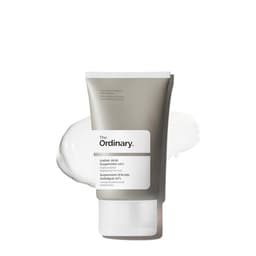
The Ordinary
Azelaic Acid Suspension 10%
A printed 10% for a few dollars — the cheapest honest way to find out whether azelaic acid shifts your marks.
See it ranked in fullPrice as of October 15, 2026. #ad How we’re funded
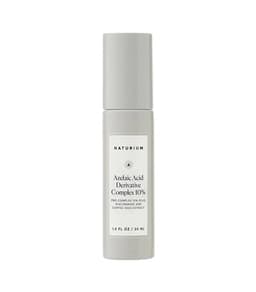
Naturium
Azelaic Acid Derivative Complex 10%
A 10% azelaic derivative alongside niacinamide and vitamin C, so one step covers two pigment pathways instead of one. Lighter than a silicone suspension, but not the free acid the trials used.
See it ranked in fullPrice as of October 15, 2026. #ad How we’re funded
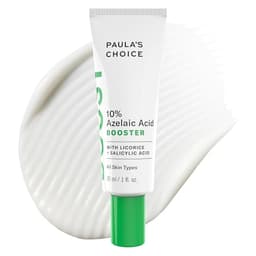
Paula's Choice
BOOST 10% Azelaic Acid Booster
The smoother texture of the three, which matters if pilling under sunscreen is what makes you stop using a product.
See it ranked in fullPrice as of October 15, 2026. #ad How we’re funded
Frequently asked questions
Does azelaic acid fade dark spots?
Yes, gradually. Reviews of the ingredient describe it inhibiting tyrosinase — the enzyme that drives melanin production — and acting preferentially on hyperactive or abnormal pigment cells rather than normal ones. In practice that means it fades the mark without noticeably lightening the surrounding skin, which is why it is favored for post-inflammatory pigmentation and melasma. Expect months, not weeks.
Is azelaic acid good for melasma?
It is one of the better-tolerated options for it, and its selectivity is the reason — it acts on the overactive melanocytes rather than bleaching skin broadly. But melasma is genuinely difficult, hormone- and sun-driven, and prone to returning the moment sun protection lapses. Azelaic acid is a reasonable topical to include; it is not a solution on its own, and melasma is worth a dermatologist's input.
Azelaic acid or vitamin C for hyperpigmentation?
They interrupt different points in pigment production, so the honest answer for stubborn discoloration is both. Vitamin C is the broader brightening ingredient and doubles as daytime antioxidant protection; azelaic acid is the more targeted one and is gentler on reactive skin. If you can only run one, choose vitamin C for general dullness and azelaic acid for defined marks on skin that irritates easily.
Is azelaic acid safe for deeper skin tones?
Its selectivity is precisely why it has a good reputation here. Because it acts preferentially on overactive pigment cells rather than suppressing melanin production broadly, it is less associated with the patchy over-lightening that some aggressive brightening approaches can cause. That said, any active that irritates can trigger post-inflammatory pigmentation in deeper tones, so introduce it slowly and stop if it stings persistently.
How long does azelaic acid take to fade pigmentation?
Twelve weeks minimum before judging it, and often longer for older or deeper marks. Post-inflammatory marks from recent breakouts usually respond fastest; melasma is the slowest and most stubborn. Photograph the same area in the same light every few weeks — incremental fading is invisible day to day and obvious over two months.
Sources
- A Comprehensive Review of Azelaic Acid: Pharmacological Properties, Clinical Applications and Topical Formulations (PMC) — Review of azelaic acid's action on pigmentation, inflammation and acne (accessed August 19, 2026)
- Vitamin C in dermatology (PMC) — Telang — review of topical vitamin C forms, stability and photoprotection (accessed July 17, 2026)
- American Academy of Dermatology — Rosacea: Diagnosis and treatment — AAD on azelaic acid, metronidazole and ivermectin for rosacea (accessed August 19, 2026)
Keep reading
Azelaic acid for melasma
Melasma is not the same problem as post-acne marks. The strengths, the timeline and the sunscreen rule.
Read the guideBest actives for dark spots
The full cross-ingredient lineup for uneven tone, and the order to introduce them in.
See the picksVitamin C and azelaic acid together
The two-mechanism routine for stubborn discoloration, and how to layer it without irritation.
Read the guideBest azelaic acid products
The 10% shortlist compared on texture, supporting ingredients and cost per tube.
See the picksAzelaic acid for rosacea
The other half of what this ingredient does — the anti-inflammatory side, and where a doctor takes over.
Read the guideBest serums for acne scars and marks
If your pigmentation is left over from breakouts, this is the shortlist built for that specifically.
See the picks