Actives & Acids

Best Vitamin C Serums for Mature Skin

The vitamin C serums that suit mature skin best - the studied antioxidant formula for real results, plus gentler, more hydrating options for skin that has grown drier and more reactive.

By Stephen V.Last updated How we pick

Vitamin C earns its place in a mature-skin routine as an antioxidant: it helps defend against the daily environmental stress that drives visible aging, and it has real evidence for supporting a brighter, more even tone. Paired with daily sunscreen — the two work as a team — it’s one of the more worthwhile morning steps for skin that’s showing dullness, uneven tone and the cumulative marks of sun exposure. What changes with mature skin isn’t whether vitamin C helps, but which formulasuits it: skin that’s grown drier or more reactive over the years often can’t take the highest, grittiest concentrations.

So we ranked these on two things at once: how strong the antioxidant evidence is, and how comfortable the formula is to wear on skin that may be drier and more easily irritated than it once was. The picks below start with the studied L-ascorbic acid, vitamin E and ferulic acid combination for anyone chasing the best-documented results, then move to gentler, more hydrating options — one buffered with ceramides, one built for oilier or breakout-prone skin, and one derivative-based serum for the most reactive complexions. None of these is a wrinkle filler; vitamin C is an antioxidant and a brightener, and that’s the honest job it does.

How this is funded:we earn a commission if you buy through our links, at no extra cost to you. It never changes which product we recommend, and we’ll tell you when we’d skip one. Full disclosure.

Quick picks

Ranked on formulation, stated concentration and buyer fit. Select a row to jump to the full write-up. We have not tested these products — here is exactly what we do instead.

#ProductBest forPrice
1
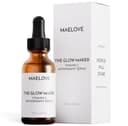
Maelove Glow Maker Vitamin C Serum

Maelove Glow Maker Vitamin C Serum

Builds on the one antioxidant trio with real research support — L-ascorbic acid alongside vitamin E and ferulic acid — for a sliver of the price of the prestige serum it mimics. Reach for it when you want the studied formulation.

Best overall
$39.90 · View on Amazon

Price as of August 30, 2026. #ad How we’re funded

2
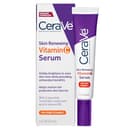
CeraVe Vitamin C Serum with 10% Pure Vitamin C

CeraVe Vitamin C Serum with 10% Pure Vitamin C

A labeled 10% pure vitamin C rounded out with ceramides and hyaluronic acid — the easiest on-ramp to L-ascorbic acid, since the barrier support rides along in the same bottle. No fragrance.

Best for dry, mature skin
$23.86 · View on Amazon

$28.9918% off

Price as of August 30, 2026. #ad How we’re funded

3
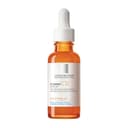
La Roche-Posay Pure Vitamin C10 Serum

La Roche-Posay Pure Vitamin C10 Serum

10% pure vitamin C with a touch of salicylic acid and hyaluronic acid, adding light texture-smoothing on top of the brightening. It fits oilier, breakout-prone skin best.

Best premium pick
$37.99 · View on Amazon

$44.9916% off

Price as of August 30, 2026. #ad How we’re funded

4
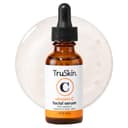
TruSkin Vitamin C Serum

TruSkin Vitamin C Serum

An Amazon top-seller founded on sodium ascorbyl phosphate — a mild vitamin C derivative rather than L-ascorbic acid. It irritates less, but it also brightens more gently and more slowly, so keep expectations grounded.

Gentlest for reactive skin
$19.99 · View on Amazon

Price as of August 30, 2026. #ad How we’re funded

The picks in full

#1Best overall

Maelove Glow Maker Vitamin C Serum

Builds on the one antioxidant trio with real research support — L-ascorbic acid alongside vitamin E and ferulic acid — for a sliver of the price of the prestige serum it mimics. Reach for it when you want the studied formulation.

Strengths

  • L-ascorbic acid, vitamin E and ferulic acid — the antioxidant combination the studies actually looked at
  • Lightweight and free of fragrance
  • A fraction of the cost of the high-end serum it's patterned after

Trade-offs

  • L-ascorbic acid degrades with time, so buy it fresh, keep it cool and toss it once it browns
  • It may prickle at first while skin gets used to it
Key activeL-ascorbic acid (vitamin C)
Stated concentration15%
FormatLightweight fluid
Fragrance-freeYes
Best forNormal, Combination, Dull skin

Formulation note. 15% L-ascorbic acid with vitamin E and ferulic acid — the mix the dermatology literature credits with steadying vitamin C and improving sun protection. This is the version worth seeking out.

Ingredients and claims read from the product listing, on July 18, 2026. “Not published” means the brand does not state that figure.

#2Best for dry, mature skin

CeraVe Vitamin C Serum with 10% Pure Vitamin C

A labeled 10% pure vitamin C rounded out with ceramides and hyaluronic acid — the easiest on-ramp to L-ascorbic acid, since the barrier support rides along in the same bottle. No fragrance.

Strengths

  • Names a 10% pure vitamin C dose — a disclosed, level-headed place to start
  • Ceramides and hyaluronic acid counter the dryness L-ascorbic acid can bring on
  • Fragrance-free and easy to find on shelves

Trade-offs

  • The opaque tube aids stability, yet it also hides any oxidation from view
  • 10% does the job but isn't the strongest option out there
Key activeL-ascorbic acid (vitamin C)
Stated concentration10%
FormatLight lotion-serum
Fragrance-freeYes
Best forSensitive, Dry, Normal

Formulation note. 10% pure vitamin C with hyaluronic acid and three essential ceramides. Those ceramides are the reason it works as a gentle entry point.

Ingredients and claims read from the product listing, on July 18, 2026. “Not published” means the brand does not state that figure.

#3Best premium pick

La Roche-Posay Pure Vitamin C10 Serum

10% pure vitamin C with a touch of salicylic acid and hyaluronic acid, adding light texture-smoothing on top of the brightening. It fits oilier, breakout-prone skin best.

Strengths

  • A disclosed 10% L-ascorbic acid
  • A dose of salicylic acid works on texture and congestion
  • Built for sensitive skin in spite of the active load

Trade-offs

  • That salicylic acid is wasted if a BHA is already in your routine
  • Expensive compared with the drugstore 10% alternatives
Key activeL-ascorbic acid (vitamin C)
Stated concentration10%
FormatLightweight serum
Fragrance-freeNo
Best forOily, Combination, Blemish-prone

Formulation note. 10% pure vitamin C with salicylic acid and hyaluronic acid. The BHA turns it into a two-for-one, which only helps if you aren't exfoliating somewhere else already.

Ingredients and claims read from the product listing, on July 18, 2026. “Not published” means the brand does not state that figure.

#4Gentlest for reactive skin

TruSkin Vitamin C Serum

An Amazon top-seller founded on sodium ascorbyl phosphate — a mild vitamin C derivative rather than L-ascorbic acid. It irritates less, but it also brightens more gently and more slowly, so keep expectations grounded.

Strengths

  • Sodium ascorbyl phosphate holds up far better and stings far less than L-ascorbic acid
  • Rounds itself out with hyaluronic acid and vitamin E
  • Cheap and reviewed by the thousands

Trade-offs

  • Being a derivative, its brightening evidence lags behind L-ascorbic acid's
  • It carries botanical extracts that can trouble the most reactive complexions
Key activeSodium ascorbyl phosphate (vitamin C derivative)
Stated concentrationNot published
FormatLight lotion
Fragrance-freeNot published
Best forSensitive, Vitamin-C-intolerant

Formulation note. Runs on sodium ascorbyl phosphate instead of L-ascorbic acid. Derivatives are milder and more shelf-stable, but they have to convert in the skin and stand on less evidence — a reasonable swap for reactive skin.

Ingredients and claims read from the product listing, on July 18, 2026. “Not published” means the brand does not state that figure.

How to choose a vitamin C serum for mature skin

The most-studied formulation is L-ascorbic acid combined with vitamin E and ferulic acid— the trio the dermatology literature credits with steadying vitamin C and improving its sun-protective effect. If you want the version with the best evidence behind it, that’s the one to seek out. The catch is that pure L-ascorbic acid can sting and can feel drying, and mature skin is often less forgiving of both. So the real decision is balancing potency against comfort: a well-formulated L-ascorbic serum for maximum evidence, or a gentler concentration and a more hydrating base if your skin protests.

Why comfort matters more as skin matures

Skin tends to become drier and more reactive over time, which changes how a vitamin C serum feels. A formula that a resilient complexion shrugs off can leave mature skin tight or pink. That’s why a serum with ceramides and hyaluronic acid built in — like the CeraVe Vitamin C Serumat a disclosed 10% — is often the smarter buy for drier skin than the highest percentage on the shelf: the barrier support rides along in the same bottle. A gentler, comfortable serum you use every morning beats a potent one that stings and ends up in a drawer.

Derivatives for the most reactive skin

If even a mild L-ascorbic acid serum is too much, a vitamin C derivative such as sodium ascorbyl phosphate — the base of the TruSkinserum — is gentler and more shelf-stable. The honest trade-off is that derivatives have to convert in the skin and stand on less evidence than L-ascorbic acid, so they brighten more gently and more slowly. For reactive mature skin that flares on pure vitamin C, that’s still a reasonable swap. Our L-ascorbic acid vs derivatives comparison lays out exactly what you give up and gain.

Vitamin C is a team player, not a lone fix

For mature skin, vitamin C does its best work alongside two other things. First, daily sunscreen— the antioxidant defense and the sunscreen are complementary, and skipping SPF undoes much of the point. Second, a retinol at night, which carries the stronger evidence for fine lines and firmness; vitamin C in the morning and retinol in the evening is a clean, well-worn split, covered in can you use vitamin C with retinol. Think of vitamin C as the brightening, protecting daytime layer of an anti-aging routine, not the whole routine. Our best actives for aging skin guide puts the full picture together.

Keep it fresh

L-ascorbic acid degrades with light, air and time — if your serum turns deep yellow or brown, it’s oxidized and past its best. Buy a size you’ll finish in a few months, store it somewhere cool and dark, and keep the cap closed. Derivative-based serums are more forgiving on this front, which is part of their appeal for anyone who uses vitamin C only occasionally.
Frequently asked questions

Is vitamin C good for mature skin?

Yes, mainly as an antioxidant and a brightener. Vitamin C helps defend skin against daily environmental stress and has real evidence for supporting a brighter, more even tone, which is why it's a common morning step for mature skin dealing with dullness and uneven tone. It works best alongside daily sunscreen. It is not a wrinkle filler - for fine lines and firmness, retinol carries the stronger evidence.

What strength of vitamin C is best for mature skin?

There's no single right number. The well-studied L-ascorbic acid, vitamin E and ferulic acid formulas often sit around 10 to 15 percent, which balances effect against tolerability. Very high concentrations like 20 percent and up can be more irritating and drying, which mature skin tolerates less well. If your skin is dry or reactive, a comfortable 10 percent in a hydrating, ceramide-backed base is usually a better real-world choice than the highest percentage available.

Should mature skin use vitamin C or retinol?

Both, ideally, because they do different jobs. Vitamin C is an antioxidant and brightener best used in the morning; retinol is the more proven anti-aging active for fine lines and firmness, used at night. A common, well-tolerated routine is vitamin C and sunscreen in the morning and retinol in the evening. If you can only add one and fine lines are your priority, retinol has the stronger evidence.

Can vitamin C serum irritate older, drier skin?

It can. Pure L-ascorbic acid can sting and feel drying, and mature skin is often less tolerant of both. If that's you, choose a lower concentration in a hydrating base with ceramides and hyaluronic acid, or step down to a gentler vitamin C derivative. Introduce it a few mornings a week at first, and always patch test a new active before regular use.

Sources

Keep reading