The two steps with the evidence
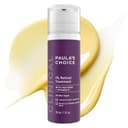
A retinoid, at night. This is the one category where the published record is not in dispute: topical retinoids are the most-studied ingredient class in photoaging, and the controlled work on cosmetic retinol specifically reports measurable change in fine lines and skin texture over months of nightly use. Two things follow, and they pull in opposite directions. The first is that dose matters, which is why we rank the 1% treatment at the top of this page: it is the only product in our registry that prints a figure that high. The second is that irritation is dose-dependent too, so a 1% retinol is the wrong place to begin. If you have not used a retinoid in the last six months, buy the 0.5% in squalane, use it twice a week for a month, and move up only when nothing happens. Our how to use retinol guide is the full on-ramp, and best retinol under $50 is the price-band version of the same shelf.
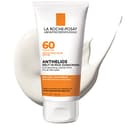
Sunscreen, every morning, including the neck.There is no point running a retinoid against ultraviolet exposure you are still collecting, and the retinoid itself makes skin more sun-sensitive. The FDA’s labeling rules are what define what “broad spectrum” and an SPF number actually mean, which is why we rank on the label rather than on a brand’s adjectives. We pick a fluid milk here on purpose: the most common failure in this age group is applying enough sunscreen to the face and nothing to the neck and chest, which is exactly where sun damage shows first and where no serum fixes it later. A thin lotion you will spread over three areas beats a thick cream you ration.
The four steps that are comfort, support, or both
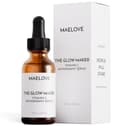
Vitamin C, in the morning.The dermatology review we cite describes vitamin C’s antioxidant and photoprotective role and its part in collagen synthesis, and the best-known formulation result in the category is the L-ascorbic acid plus vitamin E plus ferulic acid combination. Our pick is built that way and prints 15%. It is a sensible morning step under sunscreen. It is not a retinoid substitute, and we are not going to imply it is.
A peptide serum, if you want one.Peptides are the most over-claimed category in this routine and we rank one anyway, because the published work on topical peptides does report improvements in the appearance of lines and in skin hydration, and because a well-formulated peptide serum is a genuinely low-risk thing to add — no photosensitivity, no purge, no tolerance ramp. What you will not get from us is a figure: almost nobody in this category publishes which peptides at what concentration, and our pick is no exception. Read peptides benefits and ceramides vs peptides before you decide this step is worth the money, because for a lot of people it is the first thing to cut.
A richer moisturizer than you used at 30.That is not vanity, it is measurement: published work on facial skin reports that it thins and loses lipid content with age, which is the mechanical reason an older face feels tight in a way it did not before. The StatPearls review of moisturizers is clear that the job is occlusion plus humectancy, not a hero ingredient. Our pick is the most occlusive cream in our registry, with colloidal oatmeal and ceramides, and it is also the only moisturizer we carry above $25 — which is the whole finding of best moisturizer under $25: in this category, price buys you almost nothing, and if your skin is not itchy or eczema-prone you should spend the difference somewhere else.
And an under-eye product, maybe.We have not ranked one here, for one reason: the eye area is where this routine’s money is most often wasted, and the honest answer is that a retinol eye cream is a lower-strength version of a product you already own. If you want one anyway — and there are good reasons to, mostly to do with how thin that skin is — the band page is best eye cream under $50.
How we ranked them
1. Does the label publish a number?This is the first filter on every roundup here and it reorders this category hard. Two of the six products below print an exact active concentration. Four do not, and two of those four are in the categories that market most aggressively on results. Where a brand publishes nothing, we say “not published” rather than guessing, because a guessed percentage is the most common lie in this niche.
2. Is the claim the product makes the claim the evidence supports?A retinoid claim about fine lines has published backing. A peptide claim about “rebuilding collagen” does not, at the strengths these products use. We rank the second kind lower even when the formula is good.
3. Will you still be using it in six months? Everything on this page works on a months-to-years timescale, so tolerability is not a soft criterion — it is the criterion. A 1% retinol you abandon in three weeks is worth less than a 0.5% you use twice a week forever.
4. Does it cover the neck? Only the sunscreen and the moisturizer here are priced and sized to be used below the jaw. That is a real constraint on a routine for aging skin, and it is why both are ranked above the two serums.
The order to buy these in
Not all at once. Starting six products in one week makes it impossible to tell which one is causing the stinging, and something usually is.
Week one:the sunscreen and the moisturizer. Both are risk-free, both work from day one, and together they fix the two complaints — tightness and new pigment — that most people actually arrive with. Week three: add the retinoid, two nights a week, after the moisturizer if your skin is reactive. Our how often to use retinol page covers the ramp, and retinol side effects tells you which reactions are normal and which mean stop. Week eight: add the vitamin C in the morning, if you want a tone step. After that, optional: the peptide serum.
The sequencing for the whole thing — what goes on before what, and which pairs to keep apart — is in skincare routine order and how to layer actives. The two rules that matter most here are vitamin C in the morning and the retinoid at night, and never a retinoid on the same night as an exfoliating acid while you are still building tolerance.
What this page refuses to tell you
That any of this reverses aging. The published retinoid work reports measurable improvement in fine lines, texture and pigmentation over months. That is a real, modest, documented effect, and it is not the same sentence as the one on the box.
That we tested these on anyone’s face.We own no units. Every spec on this page is read from the label, the brand’s published INCI or the retail listing, and every ranking argument is made from those plus the cited literature. There are no scores on this site and no “after eight weeks” photographs, because we have not run eight weeks of anything.
That the expensive half is the half that matters.The two most expensive products here are the moisturizer and the 1% retinol. One of them is doing the heavy lifting and the other is comfort — and if your skin is not dry, the cheaper creams in best ceramide moisturizers do the same job for a third of the price.
That the prices below will hold. They render live from our price layer at the moment you load the page, with the date they were read, and Amazon moves them daily. The button is the authority, not the prose.