Actives & Acids

Best Actives for Aging Skin

The three actives with the real evidence for aging skin — retinol, vitamin C and daily SPF — and how they divide the work between them.

By Stephen V.Last updated How we pick

Most of what we call skin aging is a mix of two things: time, and sun. You cannot do much about the first, but the second — photoaging, the wrinkling, sagging and blotchy tone from years of ultraviolet exposure — is the part that actually responds to what you put on your skin. The trap is a bathroom shelf full of “anti-aging” creams promising firmness from ingredients with little behind them. The list of actives with genuine published evidence is short, which is good news: it means you can build a routine that works without buying twelve products.

This roundup crosses ingredients because aging skin needs a few jobs done at once. Retinolhas the deepest evidence base of any non-prescription active — it speeds cell turnover and prompts collagen, softening lines over months. Vitamin C is the daytime antioxidant that defends against the free-radical damage driving photoaging and brightens dull tone. Hyaluronic acid plumps and supports the barrier so the stronger actives are tolerable. And a daily broad-spectrum SPFis the prevention step that outperforms every serum — it is the difference between treating damage and stopping it. Retinol at night, vitamin C and SPF by day: that is the spine of the whole thing.

How this is funded:we earn a commission if you buy through our links, at no extra cost to you. It never changes which product we recommend, and we’ll tell you when we’d skip one. Full disclosure.

Quick picks

Ranked on formulation, stated concentration and buyer fit. Select a row to jump to the full write-up. We have not tested these products — here is exactly what we do instead.

#ProductBest forPrice
1
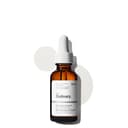
The Ordinary Retinol 0.5% in Squalane

The Ordinary Retinol 0.5% in Squalane

About as transparently labeled as retinol gets: a precise 0.5% suspended in squalane, priced so cheaply that easing in slowly costs you nothing. For most people, this is the right first bottle.

Best overall (retinol)
$9.30 · View on Amazon

Price as of July 19, 2026. #ad How we’re funded

2
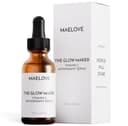
Maelove Glow Maker Vitamin C Serum

Maelove Glow Maker Vitamin C Serum

Builds on the one antioxidant trio with real research support — L-ascorbic acid alongside vitamin E and ferulic acid — for a sliver of the price of the prestige serum it mimics. Reach for it when you want the studied formulation.

Best antioxidant (vitamin C)
$39.90 · View on Amazon

Price as of July 19, 2026. #ad How we’re funded

3
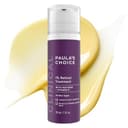
Paula's Choice CLINICAL 1% Retinol Treatment

Paula's Choice CLINICAL 1% Retinol Treatment

A labeled 1% retinol backed by peptides and vitamin C, aimed at people who've built tolerance and are ready to level up. The strength is printed plainly, which is exactly why you'd trade up from a beginner formula.

Best high strength
$48.75 · View on Amazon

$65.0025% off

Price as of July 19, 2026. #ad How we’re funded

4
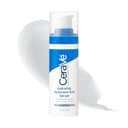
CeraVe Hyaluronic Acid Serum (B5 + Ceramides)

CeraVe Hyaluronic Acid Serum (B5 + Ceramides)

The most well-rounded hyaluronic acid serum here precisely because it's more than HA — ceramides and vitamin B5 let it hydrate while helping the barrier keep that water locked in. No fragrance.

Best hydration support
$17.28 · View on Amazon

$22.9925% off

Price as of July 19, 2026. #ad How we’re funded

5
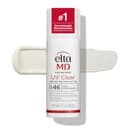
EltaMD UV Clear Broad-Spectrum SPF 46

EltaMD UV Clear Broad-Spectrum SPF 46

The facial sunscreen dermatologists recommend more than any other, and it deserves the reputation: a zinc-oxide SPF 46 with niacinamide, oil-free and fragrance-free, and pleasant enough to actually wear every day.

Best prevention (SPF)
$23.50 · View on Amazon

Price as of July 19, 2026. #ad How we’re funded

The picks in full

#1Best overall (retinol)

The Ordinary Retinol 0.5% in Squalane

About as transparently labeled as retinol gets: a precise 0.5% suspended in squalane, priced so cheaply that easing in slowly costs you nothing. For most people, this is the right first bottle.

Strengths

  • The 0.5% figure is printed on the label, something the vast majority of drugstore retinols never disclose
  • Its squalane carrier seals the skin and softens the sting
  • Sold in 0.2%, 0.5% and 1% versions, letting you climb strengths on purpose

Trade-offs

  • It's straight retinol in a waterless oil, with no calming extras thrown in
  • Layered over other oils, the squalane finish can turn heavy
Key activeRetinol
Stated concentration0.5%
FormatLightweight oil serum
Fragrance-freeYes
Best forNormal, Dry, Not-too-sensitive

Formulation note. Retinol suspended in squalane with no water phase, which sidesteps the pH and packaging headaches vitamin C demands. Having the percentage right there on the label is the exception rather than the norm.

Ingredients and claims read from the product listing, on July 18, 2026. “Not published” means the brand does not state that figure.

#2Best antioxidant (vitamin C)

Maelove Glow Maker Vitamin C Serum

Builds on the one antioxidant trio with real research support — L-ascorbic acid alongside vitamin E and ferulic acid — for a sliver of the price of the prestige serum it mimics. Reach for it when you want the studied formulation.

Strengths

  • L-ascorbic acid, vitamin E and ferulic acid — the antioxidant combination the studies actually looked at
  • Lightweight and free of fragrance
  • A fraction of the cost of the high-end serum it's patterned after

Trade-offs

  • L-ascorbic acid degrades with time, so buy it fresh, keep it cool and toss it once it browns
  • It may prickle at first while skin gets used to it
Key activeL-ascorbic acid (vitamin C)
Stated concentration15%
FormatLightweight fluid
Fragrance-freeYes
Best forNormal, Combination, Dull skin

Formulation note. 15% L-ascorbic acid with vitamin E and ferulic acid — the mix the dermatology literature credits with steadying vitamin C and improving sun protection. This is the version worth seeking out.

Ingredients and claims read from the product listing, on July 18, 2026. “Not published” means the brand does not state that figure.

#3Best high strength

Paula's Choice CLINICAL 1% Retinol Treatment

A labeled 1% retinol backed by peptides and vitamin C, aimed at people who've built tolerance and are ready to level up. The strength is printed plainly, which is exactly why you'd trade up from a beginner formula.

Strengths

  • States a firm 1% — a legitimately strong dose
  • Peptides and licorice extract fill out the anti-aging picture
  • The air-limiting tube helps keep the retinol from degrading

Trade-offs

  • At 1% it'll overwhelm skin that hasn't earned tolerance, so it's no starter product
  • Costs a premium per milliliter
Key activeRetinol
Stated concentration1%
FormatLightweight lotion
Fragrance-freeYes
Best forNormal, Retinol-experienced

Formulation note. 1% retinol with peptides, vitamin C and licorice root. It's a high dose the label doesn't hide — ramp up gradually and follow with a moisturizer each night.

Ingredients and claims read from the product listing, on July 18, 2026. “Not published” means the brand does not state that figure.

#4Best hydration support

CeraVe Hyaluronic Acid Serum (B5 + Ceramides)

The most well-rounded hyaluronic acid serum here precisely because it's more than HA — ceramides and vitamin B5 let it hydrate while helping the barrier keep that water locked in. No fragrance.

Strengths

  • Ceramides and vitamin B5 riding along with the hyaluronic acid
  • Fragrance-free and never tacky
  • Sits well under any moisturizer

Trade-offs

  • A bit dearer than the plain-HA budget option
  • It uses several HA weights but doesn't publish the exact percentages
Key activeHyaluronic acid + ceramides
Stated concentrationNot published
FormatLight gel-serum
Fragrance-freeYes
Best forDry, Normal, Sensitive

Formulation note. Hyaluronic acid with three essential ceramides and vitamin B5. HA pulls water in while the ceramides slow its escape — which is why HA performs better paired with them than on its own.

Ingredients and claims read from the product listing, on July 18, 2026. “Not published” means the brand does not state that figure.

#5Best prevention (SPF)

EltaMD UV Clear Broad-Spectrum SPF 46

The facial sunscreen dermatologists recommend more than any other, and it deserves the reputation: a zinc-oxide SPF 46 with niacinamide, oil-free and fragrance-free, and pleasant enough to actually wear every day.

Strengths

  • Zinc oxide and niacinamide — soothing and easy on the skin
  • Oil-free, fragrance-free and non-comedogenic
  • A light finish that sits under makeup

Trade-offs

  • A premium price per ounce
  • A faint cast on the deepest skin tones, which the tinted version resolves
Key activeZinc oxide + niacinamide (SPF 46)
Stated concentrationSPF 46
FormatLightweight lotion
Fragrance-freeYes
Best forSensitive, Acne-prone, Rosacea-prone

Formulation note. Broad-spectrum SPF 46 built on zinc oxide with 5% niacinamide. That niacinamide is a real bonus for redness-prone skin — the reason people recommend it again and again, not just another passable SPF.

Ingredients and claims read from the product listing, on July 18, 2026. “Not published” means the brand does not state that figure.

How to build an anti-aging routine

Keep it simple and let time do the work. The core is retinol at night, started low and built up, plus vitamin C and sunscreen in the morning. That covers repair, defense and prevention with three products. Add a hyaluronic acid layer if retinol leaves you dry, which it often does at first. Only step up to a high-strength 1% retinol once nightly use of a lower dose is genuinely comfortable — reaching for the strongest bottle before your skin is ready buys irritation, not faster results.

Prevention beats correction

If you do only one thing for aging skin, wear sunscreen every day. Ultraviolet exposure drives the majority of visible aging, so an SPF worn daily prevents more lines and uneven tone than any serum can reverse. It earns its place on an actives list precisely because it is the highest-return step — and it protects the work your retinol and vitamin C are doing rather than letting the sun undo it.

Cost-per-mL and the prestige premium

Anti-aging is the category with the widest gap between price and evidence, so run the cost-per-mL math before you spend. A stated retinol in a simple base and a well-formulated vitamin C both cost a fraction per milliliter of a luxury “age-defying” cream, and because you use small amounts they last for months. The expensive jar is usually paying for packaging and a story, not a stronger active. Buy the evidence-backed ingredients, use them consistently, and put the savings toward sunscreen you will actually reapply. Our retinol and vitamin C roundups break down each pick in full.

Frequently asked questions

What is the most effective anti-aging ingredient?

Retinol has the deepest evidence for softening lines and improving tone, but daily sunscreen prevents more visible aging than any treatment reverses. The strongest routine pairs retinol at night with vitamin C and SPF in the morning.

When will I see results from anti-aging actives?

Retinol and vitamin C work over months, not days — expect gradual change from about eight to twelve weeks of consistent use. There is no overnight firming; anything promising that is selling a temporary surface effect, not real change.

Do I need retinol and vitamin C, or just one?

They do different jobs, so many people use both: vitamin C defends in the morning, retinol repairs at night. If you only want one, retinol has the broader anti-aging evidence — but neither replaces daily sunscreen.

Can I use retinol and vitamin C together?

Yes, most easily by splitting them — vitamin C in the morning and retinol at night. That avoids layering two potentially irritating actives at once while still getting both, and it fits sunscreen naturally into the daytime step.

Sources

Keep reading